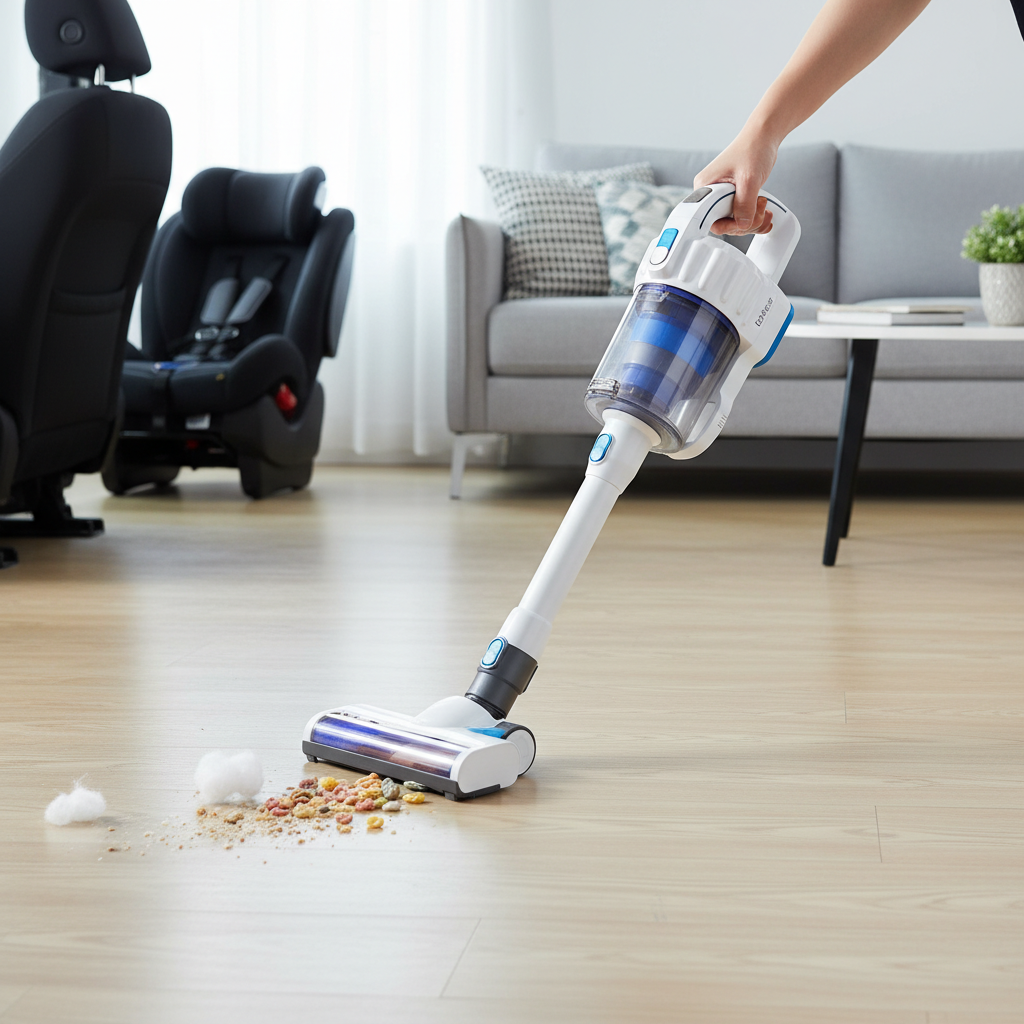
A handheld vacuum cleaner is an indispensable tool for quick clean-ups, from spills on the kitchen floor to crumbs in the car. Its convenience makes it a household staple, but when your reliable companion starts emitting an unusually loud, grating, or high-pitched noise, it can quickly turn a simple chore into an annoying ordeal. A noisy handheld vacuum motor isn’t just irritating; it often signals an underlying issue that, if left unaddressed, could lead to a complete breakdown. Understanding the common culprits behind these disruptive sounds and knowing how to tackle them with a DIY approach can save you money, extend the life of your appliance, and restore peace to your cleaning routine.
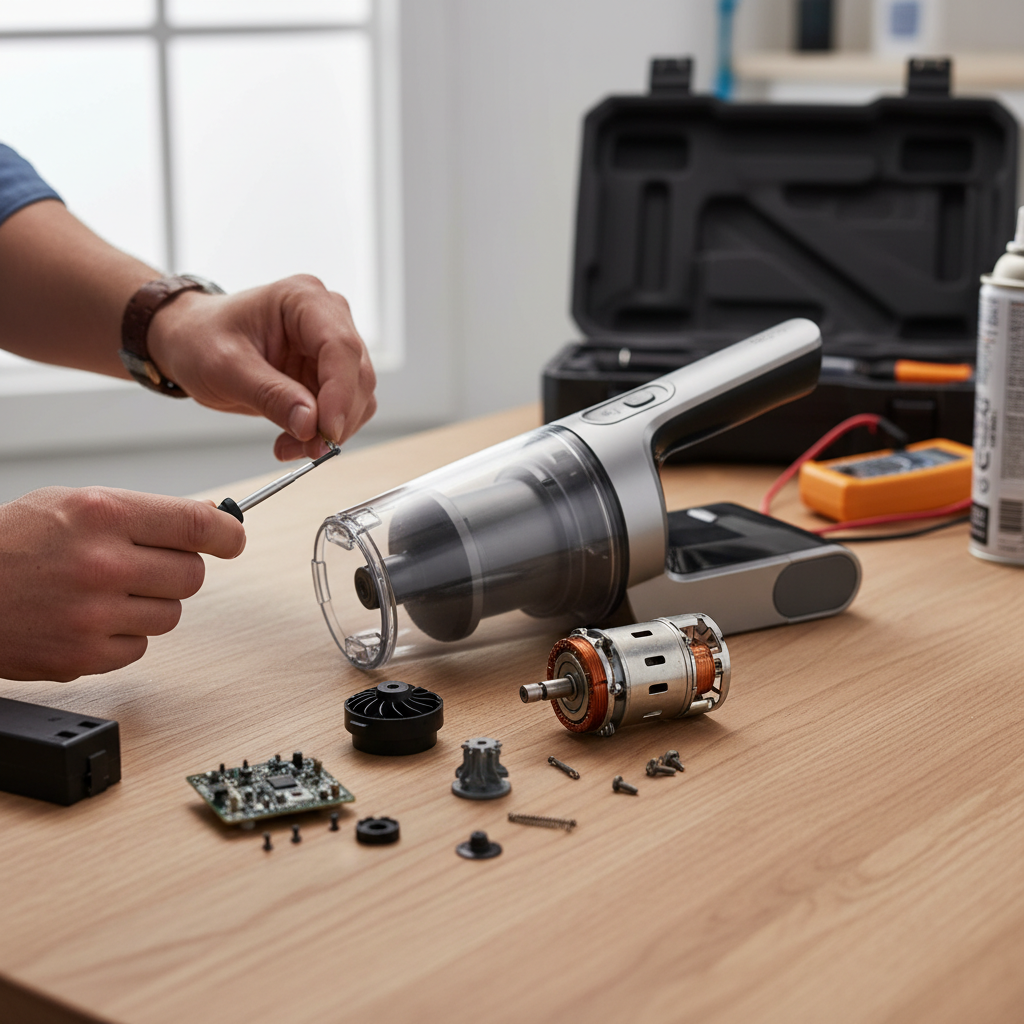
Common Causes of a Noisy Handheld Vacuum Motor
Before you dive into a repair, it’s crucial to diagnose the source of the racket. Different noises often point to different problems within your handheld vacuum.
Blockages and Clogs
|
Our Picks for the Best Handheld vacuum cleaner in 2026
As an Amazon Associate I earn from qualifying purchases.
|
||
| Num | Product | Action |
|---|---|---|
| 1 | MONOZEL Car Vacuum Portable Cordless, 18000Pa 2 in 1 Vacuum Cleaner&Air Duster, 130W Brushless Motor Handheld Vacuum Cordless with 7800mAh Battery, LED Light, Multi-Nozzles for Car, Home, Office, Pet |

|
| 2 | CKIKH Handheld Vacuum Cordless, 15000PA Strong Suction Hand Held Car Vacuum Cleaner Portable with Multi-Nozzles & Washable Filter, Lightweight Rechargeable Vacuum Cleaner for Home, Car, Office, Pets |
|
| 3 | BLACK+DECKER dustbuster Cordless Handheld Vacuum, Portable Car Vacuum Cordless Rechargeable, Wall Mount, Strong Suction QuickClean (HNVC215B10) |
|
| 4 | Bissell Pet Hair Eraser Cordless Hand Vacuum, Lithium Ion, Home, Auto, and Pet Vacuum, Easy-Empty Dirt Bin, Upholstery Tool, Brush Tool, and Crevice Tool Included, 2390A |
|
| 5 | Handheld Vacuum Cleaner, 28000Pa Brushless Motor Cordless Car Vacuum Cleaner, 3-Speed Mini Hoovers with Multiple Brush Heads Hand Held Vacuum Cordless for Office, Home, Kitchen, Car, Pet Hair |
|
| 6 | BLACK+DECKER dustbuster AdvancedClean Handheld Vacuum Cordless, Compact Home and Car Vacuum with Crevice Tool, Rotating Nozzle and Charging Station, Large Dust Bowl (CHV1410L) |
|
| 7 | Gxzsk Handheld Vacuum Cordless, 15000PA Strong Suction Hand Held Car Vacuum Cleaner Rechargeable, Portable Hand Vacuum with Multi-Nozzles & Washable Filter for Home Office, Car, Pets |
|
| 8 | KMM Handheld Car Vacuum Cleaner, 9000Pa Vacuum Cleaner and Air Duster, 120W High Power Hand Held Vacuum with LED Light and Multi-Nozzles for Car, Home, Office, Pet |
|
| 9 | BLACK+DECKER dustbuster Cordless Handheld Vacuum, Portable Vacuum for Car and Home Rechargeable, Powerful Suction, Wide Mouth (HHVI315JO42) |
|
| 10 | Handheld Vacuum Cordless, Car Vacuums Powerful with Rechargeable Battery, Portable Hand Held Vacuum Cordless with Washable HEPA Filter, Mini Vacuums Kit for Men and Women |
|
One of the most frequent reasons for a handheld vacuum becoming excessively loud is a blockage. Debris can get stuck in the nozzle, hose, or even the filter assembly, forcing the motor to work harder and generate more noise. This is often characterized by a high-pitched whine or a muffled roar as the motor strains against restricted airflow.
Dirty or Clogged Filters
The filter is your vacuum’s first line of defense against dust and allergens. Over time, it can become heavily caked with dirt, significantly reducing airflow. A clogged filter makes the motor labor excessively to pull air through, leading to increased noise and reduced suction. This usually manifests as a persistent, struggling hum.
Worn or Damaged Motor Bearings
The motor itself contains bearings that allow its internal components to spin smoothly. With prolonged use, these bearings can wear out, accumulate dirt, or even become damaged. Worn bearings typically produce a grinding, rattling, or squealing sound that directly correlates with the motor’s operation. This is a more serious issue that requires attention.
Loose or Damaged Fan/Impeller
Inside the vacuum, a fan or impeller creates the suction. If this component becomes loose, cracked, or clogged with hair and debris, it can create a vibrating, rattling, or slapping noise as it spins unevenly or strikes other parts. This can also lead to a noticeable drop in suction power.
Old or Faulty Motor
Like any mechanical component, a motor has a lifespan. An aging or faulty motor can develop internal issues, such as worn brushes or electrical problems, leading to unusual noises, reduced performance, and even intermittent operation. This often presents as an irregular whirring, buzzing, or sputtering sound.
Essential Tools for DIY Vacuum Repair
Before you begin, gather the necessary tools. Having them on hand will make the repair process smoother and more efficient.
- Screwdriver Set: Phillips and flathead screwdrivers are usually sufficient, but some models might require Torx bits.
- Pliers: Needle-nose pliers can be helpful for gripping small components or removing stubborn clogs.
- Utility Knife or Scissors: For cutting away tangled hair or string.
- Compressed Air: Excellent for clearing dust from crevices and filters.
- Soft Brush: For gently cleaning components.
- Multipurpose Lubricant (e.g., WD-40, silicone spray): Useful for lubricating bearings if needed.
- Safety Glasses and Gloves: Always protect your eyes and hands.
- User Manual: Refer to your vacuum’s manual for specific disassembly instructions.
Step-by-Step Guide to Fixing a Noisy Handheld Vacuum Motor
Follow these steps carefully to diagnose and fix the noise coming from your handheld vacuum. Always ensure the device is unplugged or the battery is removed before performing any maintenance.
1. Disassemble the Handheld Vacuum
Safety first: Ensure the vacuum is unplugged or the battery is removed. Begin by disassembling the vacuum. Most handheld vacuums have clips or screws that hold the casing together. Refer to your user manual if you’re unsure how to proceed. Carefully separate the components, paying attention to how they fit together for reassembly.
2. Check for and Clear Blockages
This is often the easiest fix.
- Nozzle and Hose: Visually inspect the nozzle opening and any detachable hose attachments for obstructions. Use your fingers or a long, thin object (like a coat hanger) to dislodge any trapped debris.
- Dust Cup Inlet: Remove the dust cup and check the inlet where dirt enters. Hair, lint, and larger particles often get stuck here.
- Brush Roll Area (if applicable): If your handheld vacuum has a brush roll, remove it and carefully cut away any tangled hair or string.
3. Inspect and Clean or Replace the Filter
A dirty filter is a common culprit.
- Remove Filter: Locate and remove the filter, typically found near the dust cup.
- Clean Filter: If it’s a washable filter, rinse it under cold water until the water runs clear. Allow it to air dry completely (at least 24 hours) before reinserting. For non-washable filters, tap it against a trash can to dislodge loose dirt, or use compressed air from the clean side.
- Replace Filter: If the filter is visibly damaged, torn, or severely discolored and cannot be cleaned effectively, it’s best to replace it. A new filter can significantly improve both suction and noise levels.
4. Examine the Fan/Impeller Assembly
This component is crucial for creating suction.
- Locate Impeller: After removing the dust cup and filter, you might see the fan or impeller assembly. It’s often located behind a protective screen or cover.
- Clean and Inspect: Carefully remove any hair, dust, or debris wrapped around the impeller blades. Check for cracks or damage to the blades themselves. If the impeller is visibly damaged, it may need replacement, though this can be a more complex repair. Ensure it spins freely and is securely attached.
5. Assess the Motor and Bearings
This step is more intricate and requires careful handling.
- Motor Housing: Accessing the motor usually involves further disassembly of the main vacuum body.
- Inspect Bearings: The motor will have bearings that allow its shaft to spin. Look for signs of wear, rust, or excess grime around these bearings. If they feel gritty when you try to spin the motor shaft by hand, or if there’s excessive play, they might be worn out.
- Lubrication (Caution!): If the bearings appear dry but otherwise intact, a small amount of multipurpose lubricant (like silicone spray or WD-40, specifically designed for motors) can sometimes quiet them. Apply sparingly and wipe away any excess. Be extremely careful not to over-lubricate or get lubricant on electrical components. This is a temporary fix for minor issues; severely worn bearings require replacement.
- Motor Brushes: Some motors have carbon brushes that wear down over time. If accessible, check their length. If they are very short, they may need replacement. This is typically a job for an experienced DIYer or a professional.
6. Reassemble and Test
Once you’ve performed the necessary cleaning or repairs, carefully reassemble the handheld vacuum in reverse order of disassembly.
- Test: Plug in the vacuum or reinsert the battery and turn it on. Listen carefully to the motor. Has the noise reduced or changed? Check the suction power to ensure it’s improved.
Tips for Preventing Future Noise Issues
A little proactive maintenance can go a long way in keeping your handheld vacuum running smoothly and quietly.
- Regular Filter Cleaning/Replacement: Clean your filter after every few uses, and replace it according to the manufacturer’s recommendations (usually every 3-6 months).
- Empty Dust Cup Frequently: Don’t let the dust cup overfill. Empty it after each significant use to maintain optimal airflow and prevent blockages.
- Avoid Vacuuming Large Debris: Handheld vacuums are great for small messes, but avoid trying to pick up very large, hard, or sharp objects that could damage the impeller or create severe clogs.
- Check for Hair and Threads: Periodically inspect the nozzle and brush roll for tangled hair, threads, or string, especially if you have pets.
- Store Properly: Keep your vacuum in a clean, dry place to prevent dust accumulation inside the motor or electronics.
Conclusion
A noisy handheld vacuum motor can be more than just an annoyance; it’s often a clear signal that your device needs attention. By systematically checking for blockages, cleaning or replacing filters, inspecting the fan, and assessing the motor and its bearings, you can often pinpoint and fix the problem yourself. This DIY approach not only saves you money on professional repairs or replacements but also extends the life of your appliance, making your cleaning routine quieter and more efficient. With a little patience and the right tools, you can restore your handheld vacuum to its former quiet, powerful glory.
What kind of unique sound is your handheld vacuum making? Understanding the specific noise can guide you to the quickest fix!