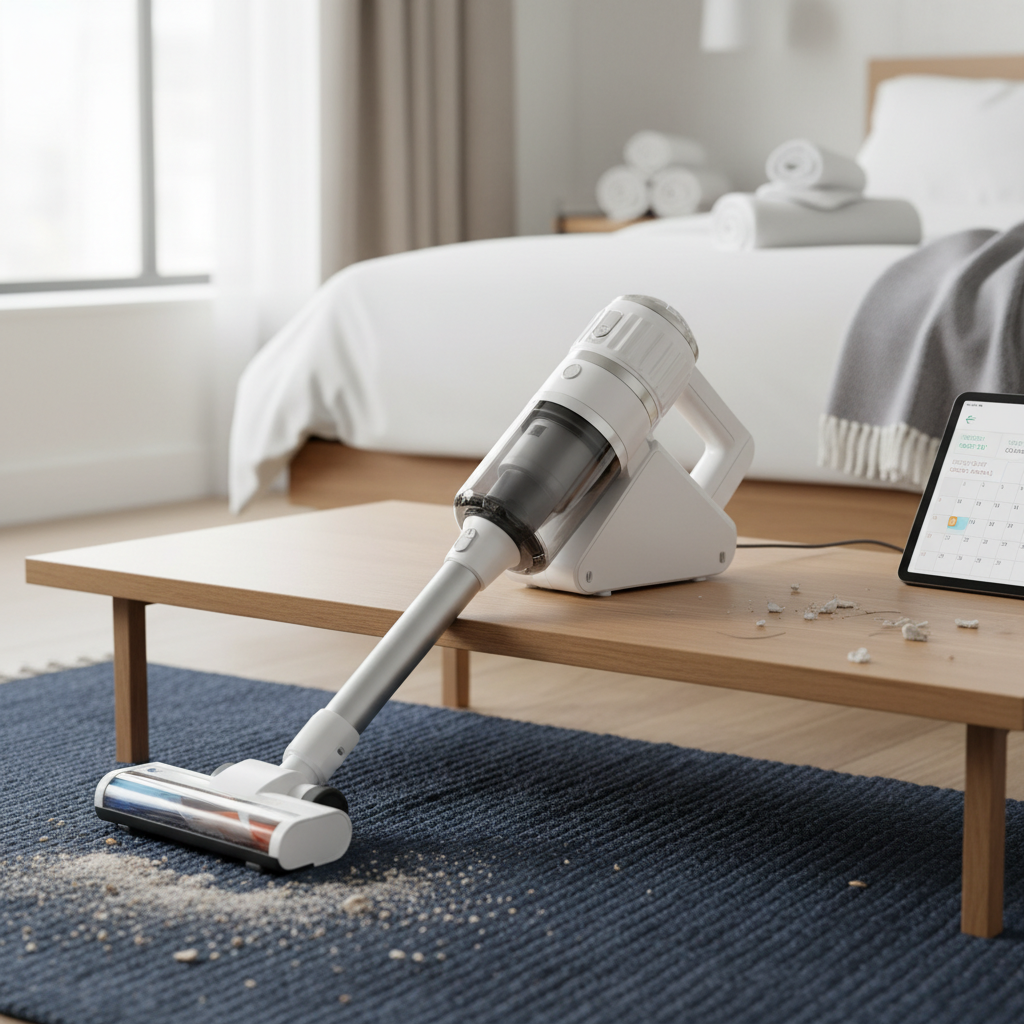
Do you often wake up with a stuffy nose, itchy eyes, or unexplained skin irritation? These unwelcome morning symptoms might point to a microscopic culprit lurking in your bed: dust mites. These tiny creatures, invisible to the naked eye, thrive in the warm, humid environment of your mattress, feeding on dead skin cells and leaving behind allergens that can trigger a range of allergic reactions. Tackling a dust mite infestation effectively is crucial for a healthier sleep environment and overall well-being. This guide delves into the most effective vacuuming techniques and complementary strategies to significantly reduce dust mites and their allergens in your mattress.
The Role of Handheld Mattress Vacuums in Dust Mite Control
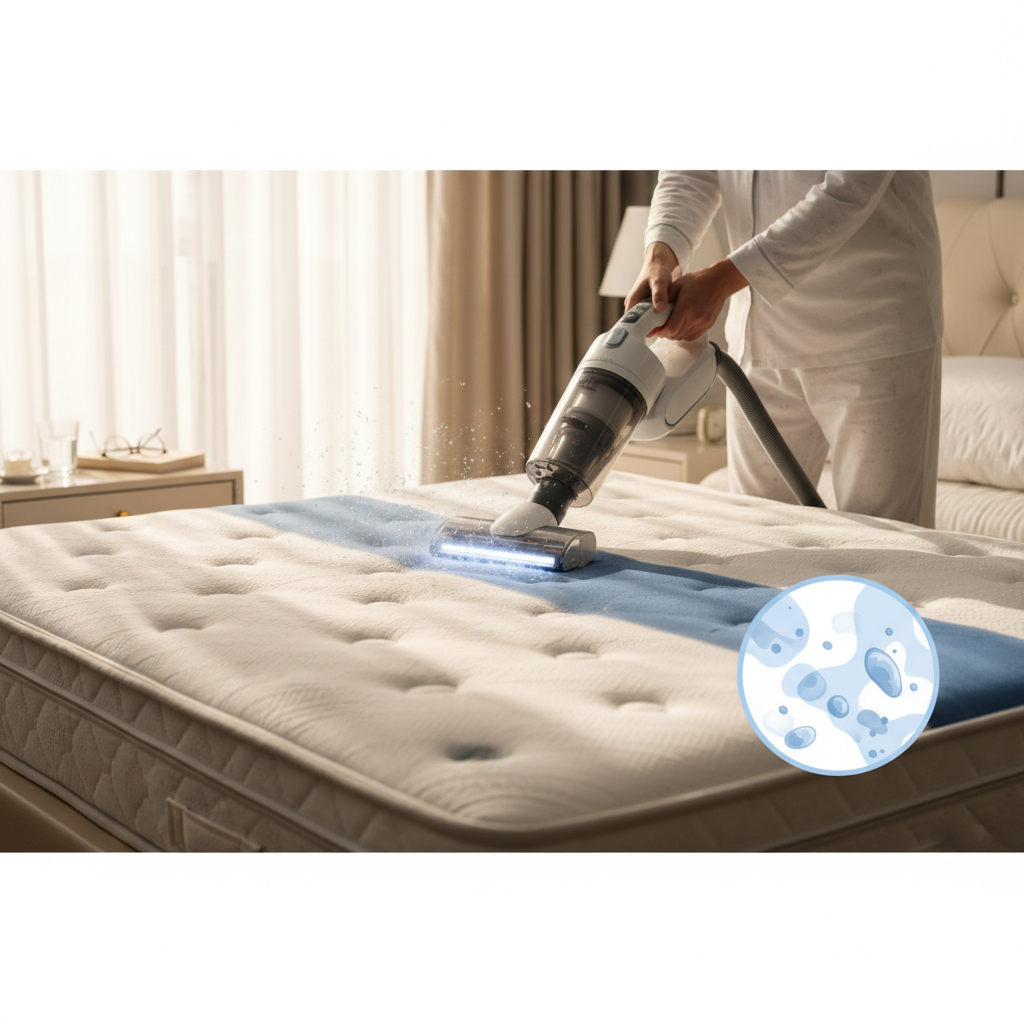
While a standard vacuum cleaner might seem sufficient, dedicated handheld mattress vacuums or specialized attachments are designed to address the unique challenges of mattress cleaning. Their compact size and focused suction make them ideal for navigating the contours, seams, and crevices of a mattress, areas where dust mites commonly congregate. For allergy sufferers and pet owners, these specialized cleaners become essential tools in reducing airborne allergens and maintaining a cleaner sleeping surface. They offer a more direct and potent approach to extracting the embedded dust and microscopic debris that serve as a food source for mites.
Understanding Mattress Vacuum Features for Dust Mite Removal
Not all vacuums are created equal when it comes to combating dust mites. To effectively tackle these pervasive pests, specific features become invaluable:
- HEPA Filtration System: A high-efficiency particulate air (HEPA) filter is paramount. True HEPA filters capture at least 99.97% of airborne particles as small as 0.3 microns, including dust mite allergens, preventing them from being recirculated back into the air during cleaning.
- Strong Suction Power: Dust mites and their droppings can become deeply embedded within mattress fibers. Look for vacuums with robust suction, often measured in Pascals (Pa), typically between 13,000 and 16,000 Pa, to effectively pull these particles from beneath the surface.
- UV-C Light Feature: Some mattress vacuums incorporate UV-C light, which can help sterilize the mattress surface by disrupting the DNA of bacteria and mites, inhibiting their reproduction. This adds an extra layer of sanitation.
- Vibrating Agitator (Tapping Function): A vibrating pad or agitator on the vacuum head helps to dislodge stubborn dust mites, dead skin cells, and allergens from deep within the mattress fibers, making them easier for the suction to capture.
- Hot Air Vent: Certain models include a hot air function that heats the mattress surface, helping to kill dust mites and bacteria while also reducing moisture, which is vital as mites thrive in humid conditions.
Key Features to Consider in a Mattress Vacuum
Choosing the right mattress vacuum involves balancing powerful features with practicality. Here’s a comparative look at features commonly found in effective models:
| Feature | Benefit for Dust Mite Removal | Considerations |
|---|---|---|
| High Suction Power | Extracts deeply embedded mites and allergens. | Essential for thick mattresses; higher Pa ratings indicate stronger pull. |
| HEPA Filtration | Prevents allergens from being released back into the air. | “True HEPA” is crucial for effective allergen capture. |
| UV-C Sterilization Light | Helps kill surface mites and bacteria. | Ensure safety features that turn off UV-C when lifted. |
| Vibrating Agitator | Loosens mites and debris from deep within fibers. | Enhances deep cleaning, especially for plush mattresses. |
| Hot Air Function | Kills mites and reduces humidity, inhibiting growth. | Beneficial for humid climates; ensures mattress dries quickly after cleaning. |
| Dedicated Attachments | Allows for precise cleaning of seams and crevices. | Upholstery or mattress-specific nozzles improve efficiency. |
| Lightweight Design | Easier to maneuver across the entire mattress surface. | Important for regular use and thorough coverage. |
| Easy-to-Clean Parts | Washable filters and quick-release dust bins simplify maintenance. | Promotes consistent cleaning and extends vacuum lifespan. |
Selecting the Ideal Mattress Vacuum for Your Needs
Identifying the right mattress vacuum depends largely on your specific circumstances and priorities. For those with severe allergies, investing in a model that combines robust suction with HEPA filtration, a vibrating agitator, and potentially UV-C light or hot air can make a significant difference. If you have pets, strong suction and effective filtration are key to managing pet dander, which also contributes to the dust mite food source.
When making your selection, evaluate the vacuum’s:
- Suction Power: A minimum of 13,000 Pa is recommended for deep cleaning.
- Filtration: Prioritize models with a “True HEPA” filter.
- Special Features: Consider UV-C, vibration, or hot air based on your allergy severity and climate.
- Weight and Ergonomics: A lightweight, comfortable-to-hold design encourages more frequent use.
- Ease of Maintenance: Look for vacuums with easily removable and washable filters and dustbins.
- Price and Warranty: Balance features with your budget, and check for a reliable warranty.
Popular and highly-rated options often include models from brands like Dyson for their powerful suction, or specialized mattress vacuums such as the Jimmy BX5 Pro, which integrates UV-C light and HEPA filtration for comprehensive dust mite removal. The FEPO LWP12 also stands out for its multi-functional cleaning setup including UV-C, ultrasonic waves, hot air, and a HEPA filter, offering excellent value.
Top Mattress Vacuums for Effective Dust Mite Removal
While many handheld vacuums can assist, certain models are specifically designed or highly effective for tackling mattress dust mites. Brands known for their suction power and advanced filtration often lead the pack.
- Dyson Handheld Vacuums: Dyson models, like the Dyson V-series or the Dyson Handheld Boat and Car Vacuum, are frequently praised for their exceptional suction power and advanced whole-machine HEPA filtration. These can effectively capture microscopic particles and allergens from deep within mattress fibers. Their versatility also allows them to be used on other upholstery.
- Jimmy BX5 Pro / BX7 Pro: These dedicated mattress vacuums are often highlighted for their specialized features tailored to dust mite removal. The Jimmy BX5 Pro, for example, combines strong suction with UV-C light and a HEPA filter, providing a multi-pronged attack on mites and allergens. The BX7 Pro may offer even more advanced features like dust and dust mite sensors and hot air vents.
- FEPO LWP12: This model is noted for its comprehensive features, including UV-C light, ultrasonic waves, hot air, and a HEPA filter, making it a well-rounded option for thorough dust mite and allergen removal. Its 16 kilopascal suction is also a strong contender.
- Ranvoo Pure Matt Pro 35 KPA AI: This deep cleaning tool boasts a powerful 35 kilopascals of dual suction and combines UV-C sterilization with other advanced features to tackle deeply embedded dust mites and allergens in mattresses and upholstery.
When considering these, always look for reviews specifically mentioning their performance on mattresses and their effectiveness against dust mites and allergens.
Practical Tips for Vacuuming and Maintaining Your Mattress
Effectively vacuuming your mattress for dust mites goes beyond simply running a device over the surface. It requires a systematic approach and consistent effort.
Step-by-Step Vacuuming Technique:
|
Our Picks for the Best Handheld vacuum cleaner in 2026
As an Amazon Associate I earn from qualifying purchases.
|
||
| Num | Product | Action |
|---|---|---|
| 1 | Gxzsk Handheld Vacuum Cordless, 15000PA Strong Suction Hand Held Car Vacuum Cleaner Rechargeable, Portable Hand Vacuum with Multi-Nozzles & Washable Filter for Home Office, Car, Pets |

|
| 2 | Handheld Vacuum Cordless, Car Vacuums Powerful with Rechargeable Battery, Portable Hand Held Vacuum Cordless with Washable HEPA Filter, Mini Vacuums Kit for Men and Women |
|
| 3 | CKIKH Handheld Vacuum Cordless, 15000PA Strong Suction Hand Held Car Vacuum Cleaner Portable with Multi-Nozzles & Washable Filter, Lightweight Rechargeable Vacuum Cleaner for Home, Car, Office, Pets |
|
| 4 | Handheld Vacuum Cleaner, 28000Pa Brushless Motor Cordless Car Vacuum Cleaner, 3-Speed Mini Hoovers with Multiple Brush Heads Hand Held Vacuum Cordless for Office, Home, Kitchen, Car, Pet Hair |
|
| 5 | Bissell Pet Hair Eraser Cordless Hand Vacuum, Lithium Ion, Home, Auto, and Pet Vacuum, Easy-Empty Dirt Bin, Upholstery Tool, Brush Tool, and Crevice Tool Included, 2390A |
|
| 6 | MONOZEL Car Vacuum Portable Cordless, 18000Pa 2 in 1 Vacuum Cleaner&Air Duster, 130W Brushless Motor Handheld Vacuum Cordless with 7800mAh Battery, LED Light, Multi-Nozzles for Car, Home, Office, Pet |
|
| 7 | BLACK+DECKER dustbuster Cordless Handheld Vacuum, Portable Car Vacuum Cordless Rechargeable, Wall Mount, Strong Suction QuickClean (HNVC215B10) |
|
| 8 | BLACK+DECKER dustbuster AdvancedClean Handheld Vacuum Cordless, Compact Home and Car Vacuum with Crevice Tool, Rotating Nozzle and Charging Station, Large Dust Bowl (CHV1410L) |
|
| 9 | KMM Handheld Car Vacuum Cleaner, 9000Pa Vacuum Cleaner and Air Duster, 120W High Power Hand Held Vacuum with LED Light and Multi-Nozzles for Car, Home, Office, Pet |
|
| 10 | BLACK+DECKER dustbuster Cordless Handheld Vacuum, Portable Vacuum for Car and Home Rechargeable, Powerful Suction, Wide Mouth (HHVI315JO42) |
|
- Strip the Bed: Remove all bedding, including sheets, pillowcases, and mattress protectors. Wash them in hot water (at least 130°F/54°C) to kill dust mites.
- Prepare the Mattress: If possible, let your mattress air out for a few hours. Sunlight can help kill surface mites and reduce moisture.
- Use the Right Attachment: Attach an upholstery tool or a specialized mattress nozzle to your vacuum. Avoid using rotating brush bars designed for carpets, as they can be too harsh for delicate mattress fabrics.
- Vacuum Slowly and Systematically: Start at one end of the mattress and make slow, overlapping passes across the entire surface. Move deliberately, ensuring thorough coverage. Don’t rush, as going too fast may only scratch the surface without deep cleaning.
- Focus on Seams and Crevices: Pay extra attention to the seams, tufts, and edges of the mattress, as these are prime hiding spots for dust mites and accumulated debris. Use a crevice tool if necessary.
- Flip and Repeat: If your mattress is flippable, turn it over and vacuum the other side as well. Also, vacuum the sides of the mattress and any fabric headboards.
- Light Touch: Apply a light touch, gliding the vacuum over the surface. Excessive pressure or high suction on delicate mattresses (like memory foam or quilted pillow-tops) can compress internal layers and strain stitching, potentially causing damage or an uneven sleeping surface.
- Empty the Dust Bin: Immediately empty the vacuum’s dustbin or change the bag after vacuuming your mattress, especially if you have allergies, to prevent allergens from escaping back into the air.
Frequency and Ongoing Maintenance:
- Regularity is Key: Most experts recommend vacuuming your mattress every one to two weeks, or even more frequently (e.g., daily or every few days) if you or a family member suffer from severe dust mite allergies.
- Clean Filters: Regularly clean or replace your vacuum’s filters, particularly the HEPA filter, according to the manufacturer’s instructions to maintain optimal suction and filtration efficiency.
- Mattress Protectors: Invest in allergen-proof or dust mite-proof mattress and pillow covers. These create a physical barrier, preventing mites from colonizing your mattress and trapping existing ones.
- Humidity Control: Dust mites thrive in warm, humid environments. Keep indoor humidity levels below 45-50% using a dehumidifier, especially in bedrooms.
- Air Circulation: Ensure good ventilation in your bedroom. Don’t make your bed immediately after waking up; allow the mattress to air out.
While diligent vacuuming significantly reduces dust and surface mites, it’s important to acknowledge that complete elimination of deeply embedded dust mites and their allergens from thick mattresses may be challenging with vacuuming alone. A comprehensive strategy combining vacuuming with high-temperature washing of bedding, allergen-proof covers, and humidity control offers the most effective defense against dust mites. For severe infestations, professional cleaning might be a consideration.
“Consistent and methodical vacuuming, especially with a HEPA-filtered mattress vacuum, is a foundational step in creating a healthier sleep environment, but it’s most powerful when combined with other allergen control methods.” – Dr. Emily Chen, Allergist and Environmental Health Specialist
Conclusion
Effectively vacuuming your mattress for dust mites is a proactive step towards cultivating a healthier and more comfortable sleep sanctuary. By understanding the ideal vacuum features—such as strong suction, HEPA filtration, and specialized tools like UV-C light or vibrating agitators—you can significantly reduce the presence of these microscopic allergens. Remember, the true impact comes from consistent application of proper vacuuming techniques, coupled with complementary strategies like washing bedding in hot water, using allergen-proof covers, and maintaining optimal humidity.
While achieving 100% dust mite eradication can be challenging, a dedicated approach dramatically minimizes their impact, allowing you to breathe easier and sleep sounder. Are you ready to transform your mattress into a haven free from dust mite disruptions?
Frequently Asked Questions
Can vacuuming completely eliminate dust mites?
While vacuuming significantly reduces dust mites and their allergens on the surface and within the top layers of your mattress, it’s generally not possible to eliminate them completely, especially those deeply embedded in thick mattresses. A multi-faceted approach, including hot washing bedding and using allergen-proof covers, offers the best results.
What type of vacuum is best for dust mites?
The best vacuums for dust mites are dedicated mattress vacuums or handheld vacuums with strong suction (13,000-16,000 Pa), a True HEPA filtration system, and specialized features like a vibrating agitator, UV-C light, or a hot air function. These features are crucial for deep cleaning and allergen capture.
How often should I vacuum my mattress for dust mites?
For general hygiene, vacuuming your mattress every one to two weeks is recommended. If you or someone in your household suffers from dust mite allergies, increasing the frequency to once a week or even every few days can significantly help manage symptoms.
Can a regular vacuum cleaner work for dust mites?
A regular vacuum cleaner with a HEPA filter and an upholstery attachment can help remove surface dust and some mites. However, a dedicated mattress vacuum often offers stronger suction, specialized attachments, and additional features like UV-C light or vibrating agitators that are more effective at dislodging and capturing deeply embedded dust mites and their allergens.
What else can I do to reduce dust mites besides vacuuming?
To further reduce dust mites, wash all bedding (sheets, pillowcases, mattress covers) in hot water (above 130°F/54°C) weekly. Use allergen-proof mattress and pillow covers. Maintain indoor humidity levels below 45-50% with a dehumidifier. Also, avoid making your bed immediately in the morning to allow the mattress to air out.