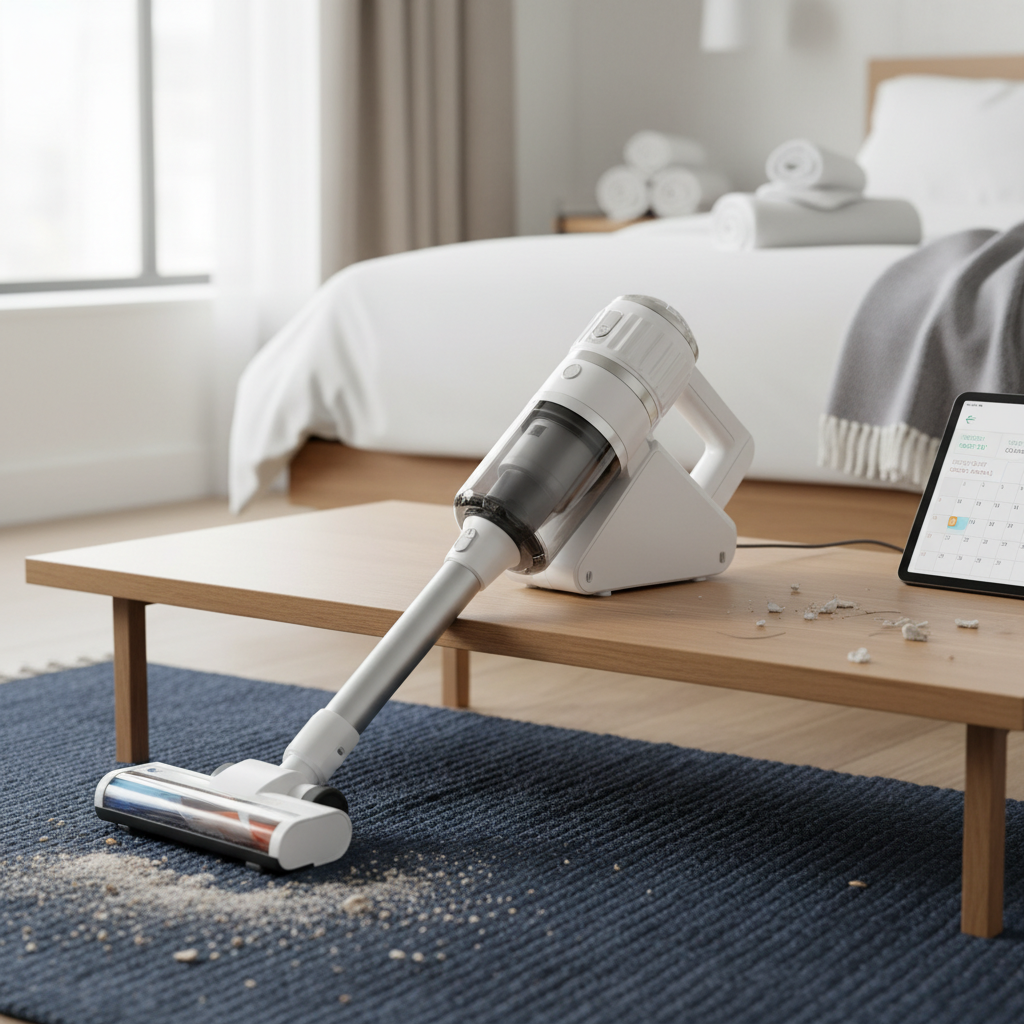
Handheld vacuum cleaners have revolutionized quick cleanups, offering unmatched convenience and portability. However, the true power of these compact devices lies in their battery, and nothing is more frustrating than a handheld vacuum that dies mid-task. While battery degradation is inevitable over time, many users unknowingly engage in habits that drastically shorten their handheld vacuum’s battery lifespan. Understanding these common pitfalls and adopting proper care routines can keep your device running efficiently for years to come.
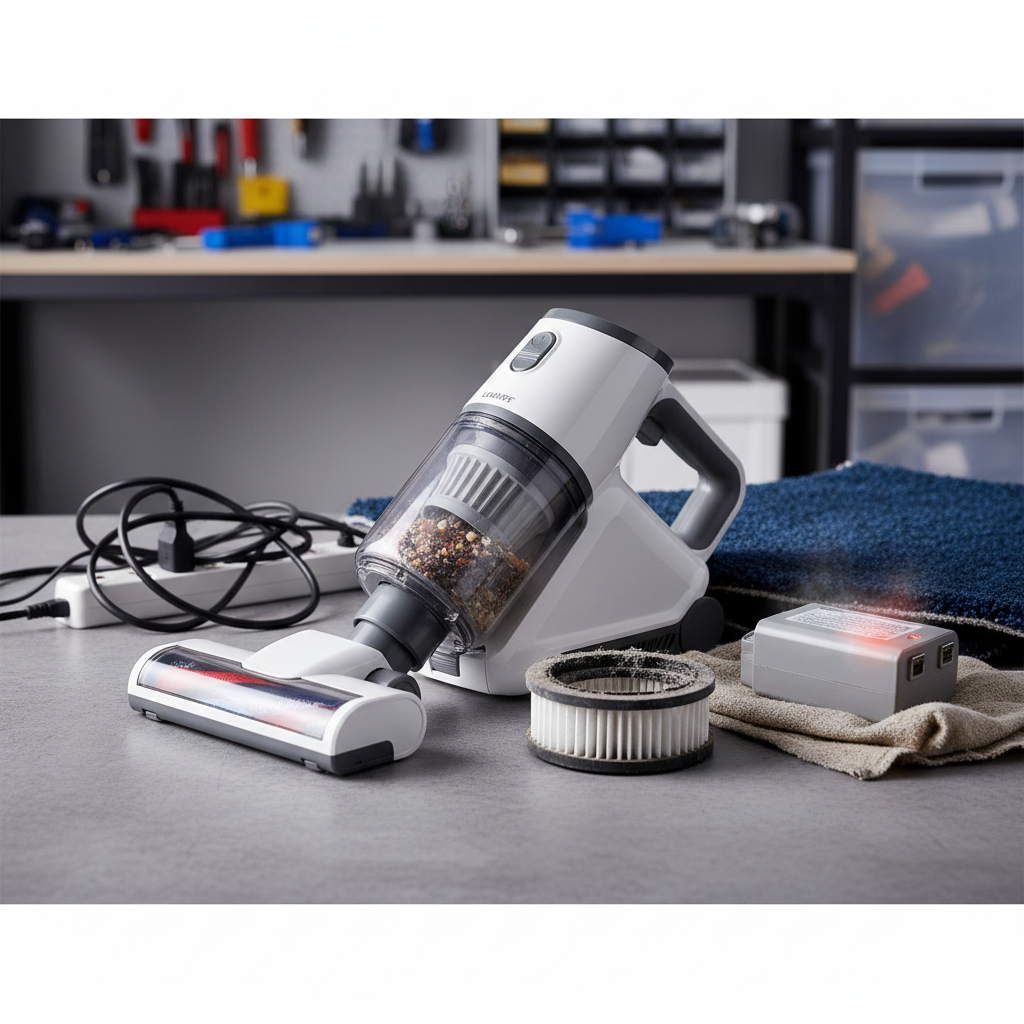
Understanding Your Handheld Vacuum Battery
|
Our Picks for the Best Handheld vacuum cleaner in 2026
As an Amazon Associate I earn from qualifying purchases.
|
||
| Num | Product | Action |
|---|---|---|
| 1 | Bissell Pet Hair Eraser Cordless Hand Vacuum, Lithium Ion, Home, Auto, and Pet Vacuum, Easy-Empty Dirt Bin, Upholstery Tool, Brush Tool, and Crevice Tool Included, 2390A |

|
| 2 | CKIKH Handheld Vacuum Cordless, 15000PA Strong Suction Hand Held Car Vacuum Cleaner Portable with Multi-Nozzles & Washable Filter, Lightweight Rechargeable Vacuum Cleaner for Home, Car, Office, Pets |
|
| 3 | BLACK+DECKER dustbuster Cordless Handheld Vacuum, Portable Car Vacuum Cordless Rechargeable, Wall Mount, Strong Suction QuickClean (HNVC215B10) |
|
| 4 | MONOZEL Car Vacuum Portable Cordless, 18000Pa 2 in 1 Vacuum Cleaner&Air Duster, 130W Brushless Motor Handheld Vacuum Cordless with 7800mAh Battery, LED Light, Multi-Nozzles for Car, Home, Office, Pet |
|
| 5 | Handheld Vacuum Cordless, Car Vacuums Powerful with Rechargeable Battery, Portable Hand Held Vacuum Cordless with Washable HEPA Filter, Mini Vacuums Kit for Men and Women |
|
| 6 | BLACK+DECKER dustbuster Cordless Handheld Vacuum, Portable Vacuum for Car and Home Rechargeable, Powerful Suction, Wide Mouth (HHVI315JO42) |
|
| 7 | KMM Handheld Car Vacuum Cleaner, 9000Pa Vacuum Cleaner and Air Duster, 120W High Power Hand Held Vacuum with LED Light and Multi-Nozzles for Car, Home, Office, Pet |
|
| 8 | Gxzsk Handheld Vacuum Cordless, 15000PA Strong Suction Hand Held Car Vacuum Cleaner Rechargeable, Portable Hand Vacuum with Multi-Nozzles & Washable Filter for Home Office, Car, Pets |
|
| 9 | Handheld Vacuum Cleaner, 28000Pa Brushless Motor Cordless Car Vacuum Cleaner, 3-Speed Mini Hoovers with Multiple Brush Heads Hand Held Vacuum Cordless for Office, Home, Kitchen, Car, Pet Hair |
|
| 10 | BLACK+DECKER dustbuster AdvancedClean Handheld Vacuum Cordless, Compact Home and Car Vacuum with Crevice Tool, Rotating Nozzle and Charging Station, Large Dust Bowl (CHV1410L) |
|
Most modern handheld vacuum cleaners utilize lithium-ion (Li-ion) batteries, favored for their high energy density and relatively long cycle life. A battery’s lifespan is typically measured in charge cycles, representing the number of times it can be fully discharged and recharged before its capacity significantly diminishes. Beyond just cycles, factors like usage patterns, environmental conditions, and maintenance habits profoundly impact how long your battery performs optimally. Knowing these influences is the first step toward extending your vacuum’s life.
Top Mistakes That Shorten Handheld Vacuum Battery Life
Many common habits can inadvertently damage your handheld vacuum’s battery, leading to premature failure and reduced performance. Avoiding these mistakes is crucial for maximizing your device’s efficiency and longevity.
-
Overcharging and Leaving on the Charger:
Leaving your handheld vacuum plugged in long after it’s fully charged can stress the battery cells. While many modern chargers have automatic shutoff features, continuous “trickle charging” can still generate excess heat, which degrades the battery over time. This constant strain is a fast track to reduced battery capacity. -
Allowing Complete Battery Drain (Deep Discharge):
Unlike older battery technologies, lithium-ion batteries prefer partial charges. Consistently waiting until your handheld vacuum battery is completely dead before recharging, also known as deep discharging, can damage the battery cells and significantly reduce its overall efficiency and lifespan. It’s best to recharge before it hits zero. -
Using Incompatible Chargers:
Always use the charger specifically designed for your handheld vacuum model or a manufacturer-recommended replacement. Generic or non-standard chargers might deliver improper voltage or current, leading to voltage fluctuations that can harm the battery cells and potentially pose a safety risk. -
Exposure to Extreme Temperatures:
Lithium-ion batteries are highly sensitive to temperature extremes.- High Temperatures: Storing or using your vacuum in very hot environments (e.g., direct sunlight, hot cars, near radiators) accelerates battery degradation. Heat can cause the battery to lose capacity faster and even swell.
- Low Temperatures: Conversely, extremely cold conditions can temporarily reduce battery efficiency and capacity, making the vacuum perform poorly until it warms up. Optimal storage and operating temperatures are typically between 10°C and 25°C (50°F to 77°F).
-
Neglecting Cleaning and Maintenance:
A clogged filter, a full dustbin, or a brush roll tangled with hair and debris forces the vacuum’s motor to work much harder to maintain suction. This increased strain directly translates to higher energy consumption, causing the battery to drain faster and degrade more quickly. Regular cleaning is essential for optimal performance and battery health. -
Constant Use on Max Power (When Not Needed):
While the “max power” setting is great for tough messes, using it constantly for light cleanups puts unnecessary strain on the battery. Higher suction settings consume significantly more power, leading to shorter runtimes and faster battery wear over time. Using lower power modes for everyday tasks helps conserve battery life. -
Improper Storage:
How you store your handheld vacuum when not in use can also impact its battery. Storing a battery that is either fully drained or fully charged for extended periods can be detrimental. For long-term storage, it’s generally recommended to leave the battery at around 50% charge and in a cool, dry place.
How to Extend Your Handheld Vacuum Battery’s Lifespan
By understanding the common mistakes, you’re already halfway to better battery care. Implementing these best practices will help you significantly extend your handheld vacuum’s lifespan and ensure it’s always ready when you need it.
-
Adopt Smart Charging Habits:
- Charge Regularly, Avoid Deep Drains: For Li-ion batteries, frequent, partial charges are better than waiting for a complete drain. Aim to recharge your handheld vacuum when the battery level drops to around 20-30%, rather than letting it die completely.
- Unplug When Full: While smart chargers exist, it’s a good practice to unplug your vacuum once it reaches full charge to prevent prolonged trickle charging and reduce heat stress on the battery.
- Use Original Chargers: Always use the charger provided by the manufacturer or a certified compatible alternative to ensure correct voltage and current delivery, preventing potential damage.
-
Maintain Optimal Storage Conditions:
- Moderate Temperatures: Store your handheld vacuum in a cool, dry place, ideally at room temperature (around 10°C to 25°C or 50°F to 77°F). Avoid storing it in areas exposed to direct sunlight, extreme heat (like garages in summer), or freezing cold.
- Partial Charge for Long-Term Storage: If you plan to store the vacuum for an extended period (more than a few weeks), charge the battery to approximately 50% before putting it away. This level minimizes stress on the battery cells.
-
Perform Regular Cleaning and Maintenance:
- Empty Dustbin Often: Empty the dustbin after each significant use. A full dustbin reduces airflow and makes the motor work harder, draining the battery faster.
- Clean/Replace Filters: Regularly clean or replace your vacuum’s filters according to the manufacturer’s guidelines. Clogged filters are a major culprit for reduced suction and increased battery strain.
- Clear Brush Rolls: Remove any hair, threads, or debris wrapped around the brush roll. A tangled brush roll forces the motor to exert more energy, shortening battery life.
-
Use Mindfully:
- Choose Appropriate Power Settings: Reserve the maximum power setting for truly stubborn messes. For everyday dust and light debris, use a lower power mode to conserve battery energy and extend run time.
- Avoid Overworking: Don’t force your vacuum on surfaces it’s not designed for or attempt to suck up excessively large debris that could clog or damage internal parts, putting undue stress on the motor and battery.
- Allow Cooling: If your vacuum feels warm after an intense cleaning session, allow it to cool down before recharging. Charging a hot battery can accelerate degradation.
When to Consider a Battery Replacement
Even with the best care, all batteries have a finite lifespan. Lithium-ion batteries in handheld vacuums typically last between 2 to 3 years or 300-500 charge cycles before their capacity noticeably declines.
Signs it might be time for a replacement:
- Significantly Reduced Runtime: The most obvious indicator is when your vacuum runs for only a few minutes, even after a full charge.
- Decreased Suction Power: If the suction feels consistently weaker, even after cleaning filters and clearing blockages, the battery may no longer be delivering adequate power.
- Overheating: The battery pack feels unusually hot during use or charging.
- Physical Damage: Any visible swelling or bulging of the battery casing is a serious safety concern and requires immediate replacement and proper disposal.
- Error Lights: Flashing indicator lights or error messages might signal a battery fault.
When replacing, always opt for manufacturer-certified batteries to ensure compatibility, safety, and optimal performance.
“Avoiding deep discharges and overcharging are two of the simplest yet most impactful ways to safeguard your handheld vacuum’s battery health. These habits alone can add significant life to your device.” – ReviewerBil.com Admin, Handheld Vacuum Expert
Conclusion
Your handheld vacuum cleaner is an indispensable tool for maintaining a clean home and vehicle, and its battery is the heart of its convenience. By understanding and avoiding common mistakes like overcharging, deep discharging, and neglecting maintenance, you can dramatically extend the life and efficiency of your device. Embracing smart charging habits, ensuring proper storage, and performing regular cleaning will not only save you money on replacements but also ensure your handheld vacuum is always ready for action. Take a few extra moments to care for your battery, and it will serve you faithfully for years to come.
What steps will you take today to improve your handheld vacuum’s battery health?
Frequently Asked Questions
How long do handheld vacuum batteries typically last?
Most handheld vacuum batteries, particularly lithium-ion ones, are designed to last between 2 to 3 years or approximately 300 to 500 charge cycles. However, this can vary based on usage frequency, charging habits, and maintenance.
Is it bad to leave my handheld vacuum on charge all the time?
Yes, it is generally not recommended to leave your handheld vacuum on charge constantly. While modern chargers have protection circuits, continuous “trickle charging” can stress the lithium-ion battery cells, generate heat, and accelerate degradation over time. It’s best to unplug it once fully charged.
What’s the ideal temperature for storing a handheld vacuum?
The ideal temperature for storing a handheld vacuum is typically between 10°C and 25°C (50°F to 77°F). Extreme heat or cold can damage lithium-ion batteries, reducing their capacity and lifespan. Always avoid direct sunlight and very cold environments.
Can I replace the battery in my handheld vacuum?
Many handheld vacuum models offer user-replaceable batteries, especially higher-end devices. Check your vacuum’s user manual or the manufacturer’s website for information on battery replacement options and to ensure you purchase a compatible and certified battery.
Why is my handheld vacuum losing suction power?
A loss of suction power can be attributed to several factors, including a dying battery that can no longer supply adequate power, a clogged filter, a full dustbin, or blockages in the nozzle or brush roll. Address these issues through cleaning and maintenance, and consider a battery replacement if the problem persists.