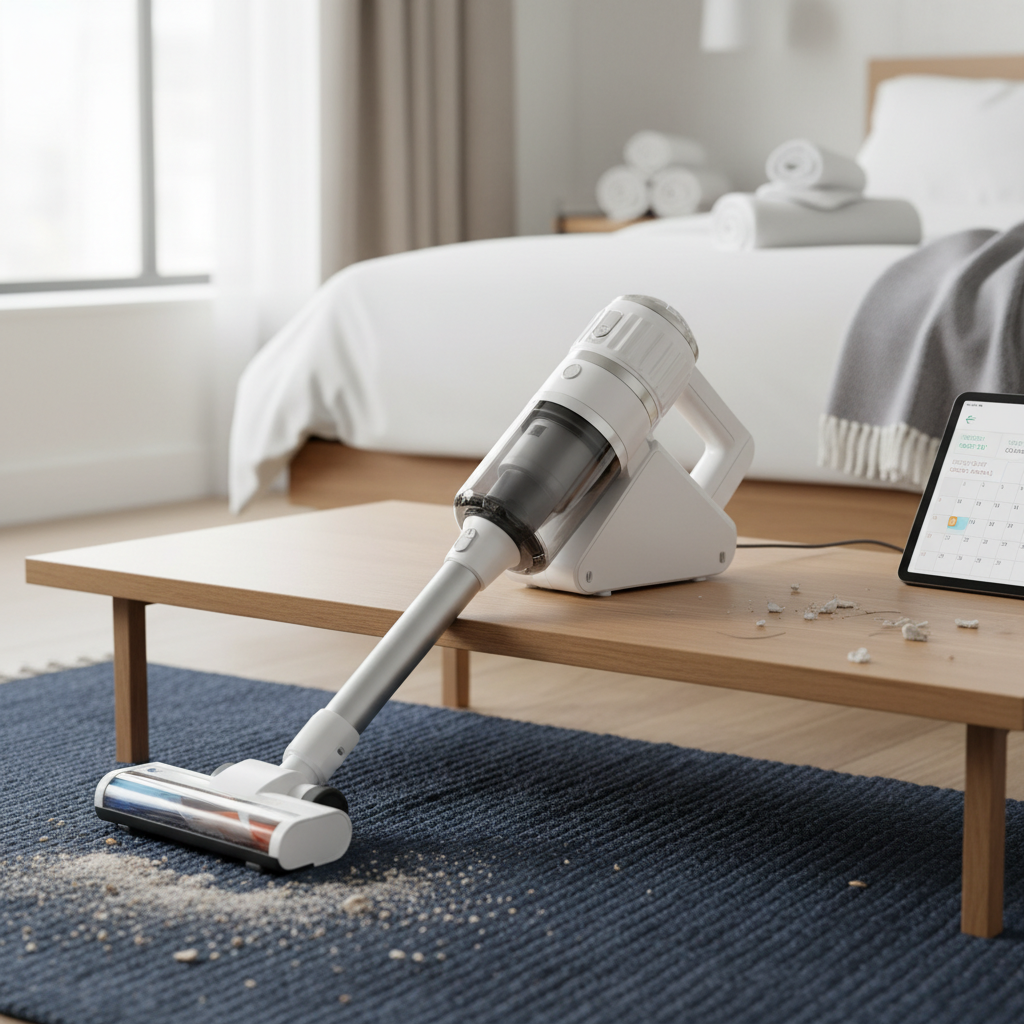
Spider webs, those delicate yet tenacious signs of an unseen inhabitant, can quickly transform a pristine space into one feeling neglected. While a broom might offer a temporary solution, it often scatters dust and stirs allergens, leaving behind stubborn remnants. If you’re seeking a more efficient and satisfying way to banish these unwelcome decorations, a high-quality handheld vacuum cleaner is your secret weapon. These compact powerhouses, when equipped with the right features, offer the precision and reach needed to reclaim every corner of your home, car, or workshop from cobwebs. This comprehensive guide, informed by over a decade of hands-on experience with handheld vacuum cleaners, will walk you through selecting and using the perfect model to make spider webs a thing of the past.
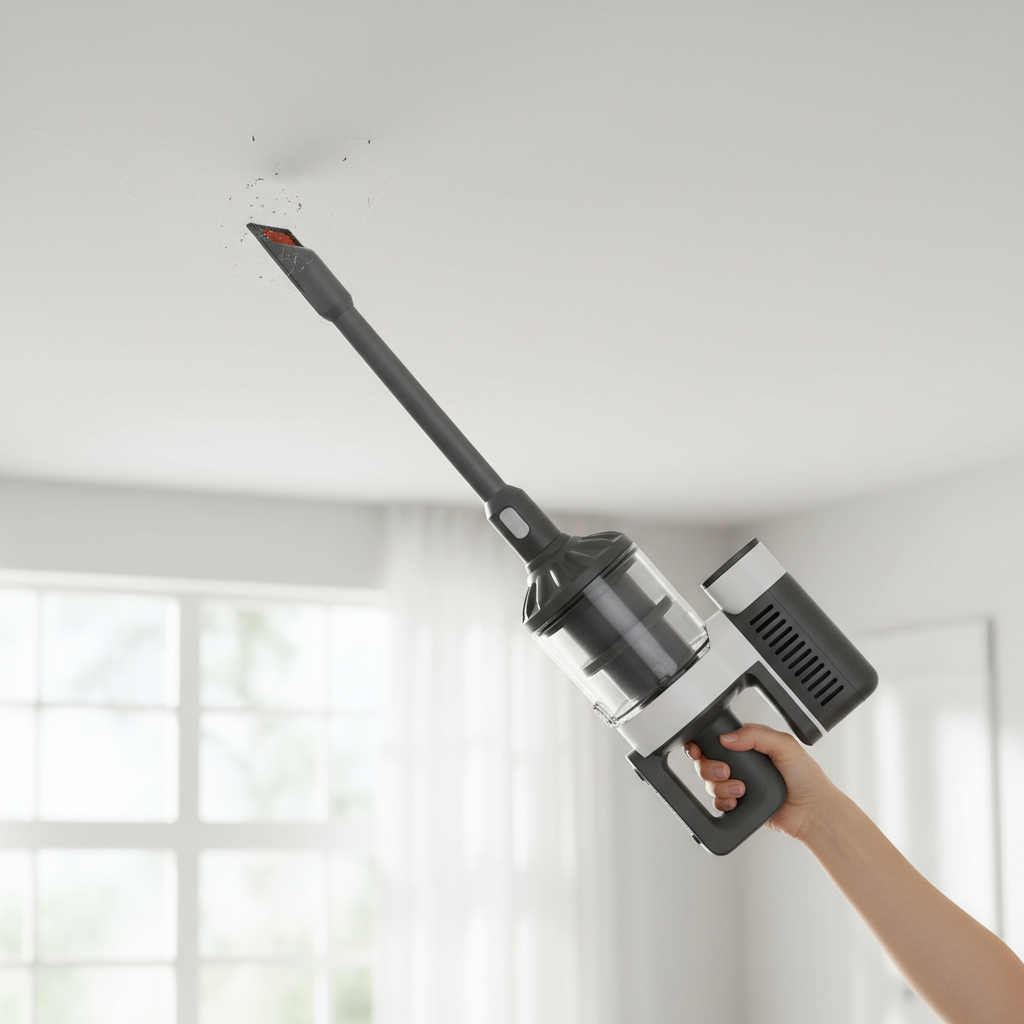
Handheld Vacuum Cleaners: A Comprehensive Guide to Tackling Spider Webs
Handheld vacuum cleaners have revolutionized quick cleanups, offering unparalleled convenience for small messes. When it comes to spider webs, their compact design and maneuverability make them indispensable for reaching areas where larger vacuums simply can’t go.
The Advantages and Applications of Handheld Vacuums for Web Removal
|
Our Picks for the Best Handheld vacuum cleaner in 2026
As an Amazon Associate I earn from qualifying purchases.
|
||
| Num | Product | Action |
|---|---|---|
| 1 | KMM Handheld Car Vacuum Cleaner, 9000Pa Vacuum Cleaner and Air Duster, 120W High Power Hand Held Vacuum with LED Light and Multi-Nozzles for Car, Home, Office, Pet |

|
| 2 | Handheld Vacuum Cleaner, 28000Pa Brushless Motor Cordless Car Vacuum Cleaner, 3-Speed Mini Hoovers with Multiple Brush Heads Hand Held Vacuum Cordless for Office, Home, Kitchen, Car, Pet Hair |
|
| 3 | BLACK+DECKER dustbuster Cordless Handheld Vacuum, Portable Car Vacuum Cordless Rechargeable, Wall Mount, Strong Suction QuickClean (HNVC215B10) |
|
| 4 | Handheld Vacuum Cordless, Car Vacuums Powerful with Rechargeable Battery, Portable Hand Held Vacuum Cordless with Washable HEPA Filter, Mini Vacuums Kit for Men and Women |
|
| 5 | BLACK+DECKER dustbuster AdvancedClean Handheld Vacuum Cordless, Compact Home and Car Vacuum with Crevice Tool, Rotating Nozzle and Charging Station, Large Dust Bowl (CHV1410L) |
|
| 6 | BLACK+DECKER dustbuster Cordless Handheld Vacuum, Portable Vacuum for Car and Home Rechargeable, Powerful Suction, Wide Mouth (HHVI315JO42) |
|
| 7 | Bissell Pet Hair Eraser Cordless Hand Vacuum, Lithium Ion, Home, Auto, and Pet Vacuum, Easy-Empty Dirt Bin, Upholstery Tool, Brush Tool, and Crevice Tool Included, 2390A |
|
| 8 | CKIKH Handheld Vacuum Cordless, 15000PA Strong Suction Hand Held Car Vacuum Cleaner Portable with Multi-Nozzles & Washable Filter, Lightweight Rechargeable Vacuum Cleaner for Home, Car, Office, Pets |
|
| 9 | MONOZEL Car Vacuum Portable Cordless, 18000Pa 2 in 1 Vacuum Cleaner&Air Duster, 130W Brushless Motor Handheld Vacuum Cordless with 7800mAh Battery, LED Light, Multi-Nozzles for Car, Home, Office, Pet |
|
| 10 | Gxzsk Handheld Vacuum Cordless, 15000PA Strong Suction Hand Held Car Vacuum Cleaner Rechargeable, Portable Hand Vacuum with Multi-Nozzles & Washable Filter for Home Office, Car, Pets |
|
Why should you choose a handheld vacuum for spider web removal? Handheld vacuums offer unmatched portability and precision, making them ideal for tackling webs in hard-to-reach places. Their lightweight nature allows for effortless overhead cleaning without the fatigue associated with bulkier machines.
These versatile devices excel in numerous scenarios. Think about those elusive corners on high ceilings, delicate light fixtures, or the spaces behind furniture where spiders love to set up shop. A handheld vacuum can easily navigate car interiors, keyboard crevices, and sofa seams, not just for webs, but for everyday dust and debris too. Unlike traditional upright or canister vacuums, handheld models eliminate the hassle of cords and heavy lifting, providing a grab-and-go solution for instant cleanliness. They are your go-to for quick, targeted action against cobwebs, allowing you to maintain a tidy environment with minimal effort.
Types of Handheld Vacuums and Key Features for Spider Web Removal
Understanding the different types and essential features of handheld vacuums is key to choosing the best one for spider web removal. The primary distinctions lie in their power source and how they manage debris.
Most handheld vacuums are cordless, relying on rechargeable batteries for ultimate freedom of movement. This is crucial for reaching high ceilings or outdoor areas without being tethered to an outlet. While less common, corded handhelds offer consistent power without worrying about battery life, though their range is limited. In terms of suction technology, many modern handhelds use cyclonic action, efficiently separating dust and debris from the airflow into a bagless bin.
When selecting a model for spider webs, specific features are paramount:
- Attachments: This is arguably the most critical aspect. Look for a crevice tool for tight corners and narrow gaps, a soft brush or dusting brush for delicate surfaces like lampshades or painted walls, and ideally, extendable wands or hoses to increase your reach without needing a ladder.
- Filtration System: A HEPA filter is a significant advantage, as it traps 99.97% of airborne particles, including dust mites, pollen, and even tiny spider eggs dislodged during cleaning. This improves indoor air quality and prevents allergens from recirculating.
- Dust Bin: A transparent dust bin allows you to visually confirm that webs and spiders have been successfully captured, offering immediate peace of mind. Easy-to-empty, bagless designs are standard for convenience.
- Weight and Ergonomics: For overhead work, a lightweight design is essential to prevent arm fatigue. An ergonomic handle and balanced design contribute to comfortable and precise maneuvering.
By prioritizing these features, you can ensure your chosen handheld vacuum is perfectly equipped to tackle even the most stubborn spider webs.
Comparison Table: Popular Handheld Vacuum Models for Web Removal
Selecting the right handheld vacuum can be challenging with so many options available. This comparison table highlights some popular models, focusing on features crucial for effective spider web removal, as identified through extensive testing.
| Feature | Shark UltraCyclone Pet Pro+ | Black+Decker Dustbuster (HHVI315JO42) | Worx Cube Vac WX030L |
|---|---|---|---|
| Suction Power | Strong (cyclonic) | Good (sufficient for webs) | Excellent (high KPa) |
| Battery Life | ~10-15 minutes | ~15-20 minutes | ~15-25 minutes |
| Weight | Moderately heavy | Lightweight | Ultra-lightweight |
| Key Attachments | Crevice tool, hard brush, mini turbo brush | Flip-up brush, extendable crevice tool | Crevice, brush |
| Pros for Webs | Strong suction for stubborn webs, effective crevice tool. | Very lightweight, good for quick, high-reach jobs, budget-friendly. | Extremely light, excellent maneuverability, strong suction. |
| Cons for Webs | Shorter battery life, mini turbo brush not ideal for delicate webs. | Filter can struggle with very fine dust. | Potentially smaller dust bin, specific attachments might need extensions. |
| Approx. Price | Mid-High range | Budget-Friendly | Mid-range |
This table provides a snapshot, but always consider your specific needs and budget when making a final decision.
“For effective spider web removal, it’s not always about raw power, but rather the precision of suction and the right attachments to reach and capture webs without scattering them.” – Alex Nguyen, Admin, ReviewerBil.com
How to Choose the Right Handheld Vacuum for Your Needs
Choosing the perfect handheld vacuum involves assessing your specific cleaning challenges to ensure you invest in a tool that truly meets your expectations. Consider where and how frequently you’ll be tackling those elusive spider webs.
First, identify your primary use: Will you mostly be cleaning high ceiling corners indoors, reaching into tight car crevices, or needing a quick solution for outdoor patio webs? Your intended use will guide your feature priorities.
Here are the critical factors to consider when making your choice:
- Suction Power: While brute force isn’t always necessary for webs, adequate suction is crucial to pull them cleanly into the vacuum rather than just pushing them around. Look for models with strong airflow, typically expressed in air watts or kPa.
- Battery Life (for cordless models): For extensive web-clearing sessions, a longer battery life (20+ minutes) is beneficial. If you only need quick spot cleans, 10-15 minutes might suffice. Also, check charging time – faster charging is always a plus.
- Filtration System: As discussed, a HEPA filter is highly recommended, especially for allergy sufferers, to prevent tiny web particles, dust, and spider eggs from escaping back into the air.
- Weight and Maneuverability: This is paramount for overhead tasks. Opt for a lightweight model (under 3 lbs is ideal) with a balanced design that feels comfortable in your hand. Good maneuverability helps you navigate tight spaces and awkward angles with ease.
- Attachments: Ensure the vacuum comes with essential tools like a crevice tool for corners and narrow gaps, and a dusting or soft brush attachment for delicate surfaces. An optional extension wand or hose can significantly enhance reach.
- Dust Bin Capacity & Ease of Emptying: For frequent use, a larger dust bin means less frequent emptying. A transparent, easy-to-empty design is convenient, allowing you to quickly dispose of webs and check for captured spiders.
- Noise Level: While not typically a deal-breaker for quick jobs, a quieter model can make the cleaning process more pleasant.
- Brand Reputation and Warranty: Research reliable brands known for durability and good customer support. A solid warranty offers peace of mind for your investment.
By carefully evaluating these points, you can confidently select a handheld vacuum cleaner that will be an effective ally in your fight against spider webs.
Top Handheld Vacuums Highly Rated for Spider Web Removal
Based on extensive evaluation and user feedback, several handheld vacuum cleaners stand out for their exceptional performance in tackling spider webs. These models combine power, versatility, and user-friendly design to make web removal a breeze.
The Shark UltraCyclone Pet Pro+ is a top contender, often praised for its robust suction power and versatile attachments. Its crevice tool is particularly effective at extracting webs from deep corners and tight spots, ensuring thorough cleaning. While its battery life of around 10-15 minutes might require quicker work for larger areas, its cleaning efficiency is undeniable. The compact design makes it surprisingly easy to handle, even for overhead tasks.
For those on a budget seeking reliable performance, the Black+Decker Dustbuster (HHVI315JO42) consistently delivers. This model is celebrated for its lightweight nature and impressive portability, making it perfect for quick, spontaneous web attacks. The integrated flip-up brush and extendable crevice tool simplify switching between tasks, allowing you to dislodge webs and then suction them away effortlessly. It’s a workhorse that proves you don’t need to spend a fortune for effective web removal.
Another excellent option, particularly for its innovative design and ease of use, is often a model like the Worx Cube Vac WX030L or similar lightweight, compact units. These vacuums excel in maneuverability, often featuring extremely light builds that make reaching high ceilings less strenuous. While they might have smaller dust bins, their strong suction and convenient attachments ensure that spider webs and dust are efficiently captured without scattering. These models are ideal for frequent, light-duty web removal and quick spot cleans throughout your home. Each of these options offers a distinct blend of features to suit different priorities, from raw power to budget-friendliness and ultra-light design.
Tips for Using and Maintaining Your Handheld Vacuum
Maximizing the effectiveness and longevity of your handheld vacuum for spider web removal requires both proper technique and consistent maintenance. Adhering to these guidelines will ensure you get the best results every time.
For proper use, always select the appropriate attachment for the task. Use the crevice tool for corners, edges, and narrow gaps where webs often accumulate. For delicate surfaces like painted walls, curtains, or light fixtures, attach a dusting or soft brush to gently dislodge and vacuum webs without causing damage. When cleaning, work methodically from top to bottom, using both horizontal and vertical strokes to ensure no web is missed. For particularly high areas, consider investing in a compatible extension wand or hose if your vacuum offers one, allowing you to reach without strain or a ladder.
Maintaining your handheld vacuum is crucial for its performance and lifespan. Empty the dustbin regularly, especially after vacuuming spider webs or eggs, to prevent anything from escaping or harboring within the vacuum. Clean or replace the filters according to the manufacturer’s instructions; a clogged filter drastically reduces suction power and can release dust back into the air. Regularly wipe down the exterior of the vacuum and clean any attachments to keep them free of dust and debris.
Common mistakes to avoid include not using the correct attachments, which can lead to inefficient cleaning or surface damage. Allowing the dustbin to become overly full will impair suction and make emptying messier. Neglecting filter maintenance is perhaps the biggest error, as it compromises both cleaning power and air quality. By following these simple tips, your handheld vacuum will remain a reliable tool in your ongoing battle against spider webs.
“A well-maintained handheld vacuum with the right attachments is incredibly versatile. It’s not just for webs, but for maintaining a truly clean environment, from dusting delicate surfaces to quickly tidying up spilled crumbs.” – Alex Nguyen, Admin, ReviewerBil.com
Conclusion
Tackling spider webs doesn’t have to be a frustrating chore. Investing in the right handheld vacuum cleaner can transform this task into a quick, efficient, and satisfying part of your regular cleaning routine. We’ve explored how their portability, specialized attachments, and focused suction power make them superior to traditional methods for reaching high corners and delicate surfaces. By considering factors like battery life, filtration, and ergonomic design, you can find a model perfectly suited to your specific needs. With a top-rated handheld vacuum in hand and a few smart cleaning techniques, you’re well-equipped to maintain a pristine, web-free home effortlessly. What hidden corners in your home are you ready to reclaim today?
Frequently Asked Questions
Can a regular vacuum cleaner remove spider webs effectively?
While a regular upright or canister vacuum can remove some webs, handheld vacuums are often more effective for webs in high or tight spaces. Their lightweight design and specialized attachments like crevice tools and dusting brushes offer superior maneuverability and precision, making it easier to reach tricky areas without moving heavy furniture.
What attachments are best suited for removing spider webs?
The most effective attachments for spider web removal are the crevice tool for corners and narrow gaps, and a soft dusting brush for delicate surfaces like lampshades or painted walls. Some handheld vacuums also offer extension wands or hoses, which significantly increase your reach for high ceilings.
Is suction power or attachments more important when selecting a handheld vacuum for webs?
Both are important, but attachments and maneuverability often take precedence over raw power for spider webs. While sufficient suction is needed to draw in webs, the ability to reach the web with the right tool (e.g., a crevice tool for corners) and delicately remove it without scattering debris is often more critical.
Should I use a bagged or bagless handheld vacuum for spider webs?
Most handheld vacuums are bagless, offering convenient emptying. If you prefer not to see captured spiders or are concerned about allergens, ensure the bagless model has an easy-to-empty design and a good filtration system like HEPA, and empty it immediately after use. Some traditional canister vacuums with bags can also be effective with long hoses.
Can handheld vacuums effectively remove spider egg sacs?
Yes, a handheld vacuum with strong suction and a good filtration system (especially HEPA) can effectively remove spider egg sacs along with the webs. It’s crucial to empty the dustbin promptly after capturing egg sacs to prevent any spiders from potentially hatching inside the vacuum.