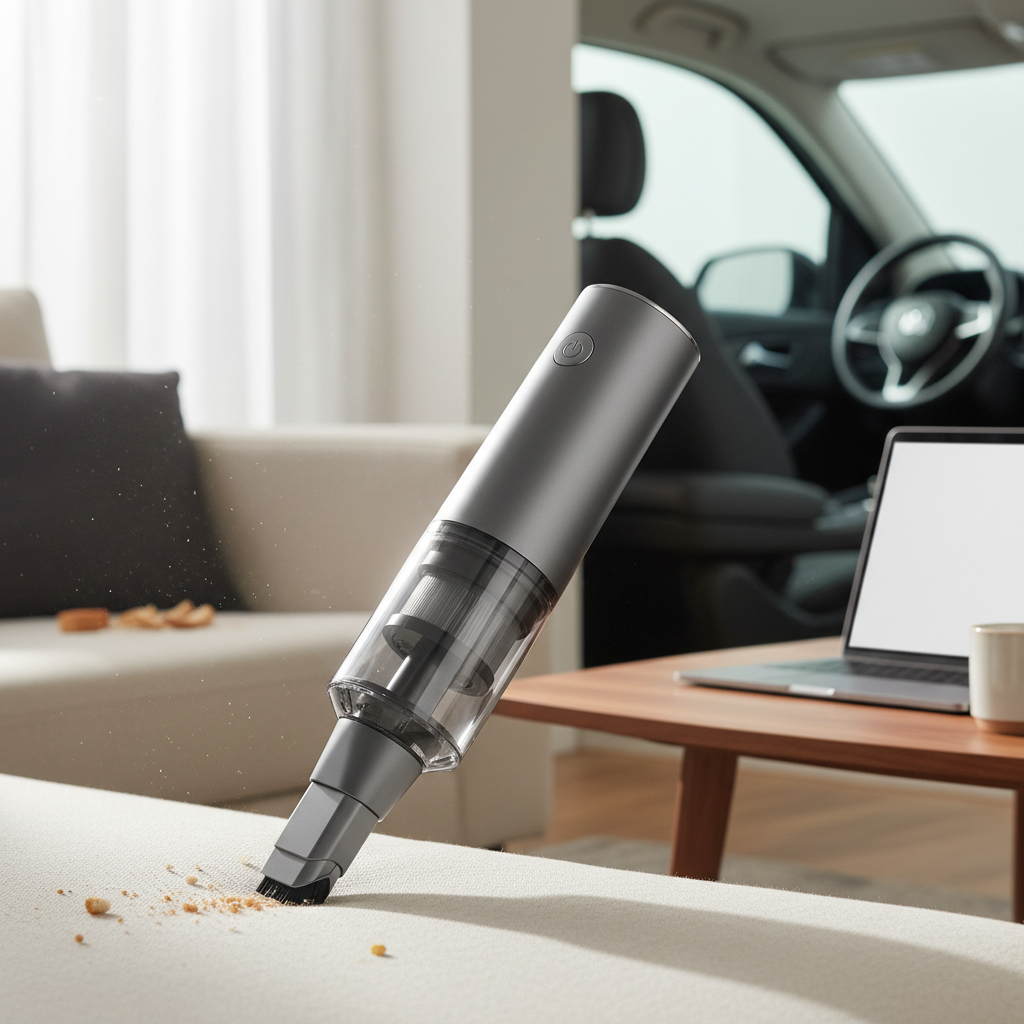
In the ever-evolving world of home cleaning, the debate between corded and cordless handheld vacuum cleaners remains a central point of discussion. For many, the choice isn’t just about a preference; it fundamentally shapes their cleaning routine and overall satisfaction. With countless models on the market, understanding the core differences in power, convenience, and performance between these two types is essential to selecting the perfect tool for your needs. This comprehensive guide will delve into the strengths and weaknesses of both corded and cordless handheld vacuums, helping you navigate the options and make an informed decision tailored to your specific cleaning demands and lifestyle.
The Powerhouse: Corded Handheld Vacuum Cleaners
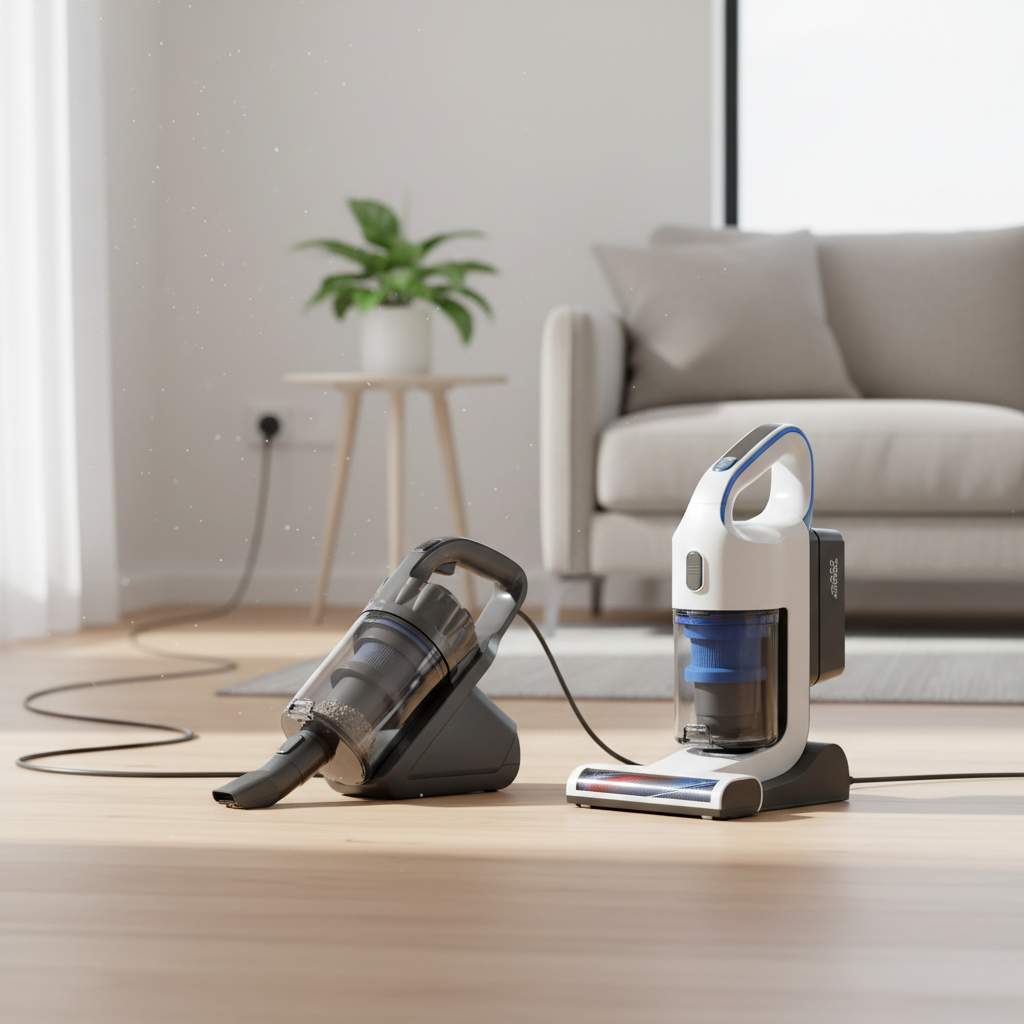
Corded handheld vacuum cleaners have long been the workhorses of quick cleanups, offering a reliable and unwavering source of power directly from your electrical outlet. Their design prioritizes raw cleaning strength, making them indispensable for specific tasks around the home and vehicle.
Uninterrupted Suction and Performance
|
Our Picks for the Best Handheld vacuum cleaner in 2026
As an Amazon Associate I earn from qualifying purchases.
|
||
| Num | Product | Action |
|---|---|---|
| 1 | Handheld Vacuum Cleaner, 28000Pa Brushless Motor Cordless Car Vacuum Cleaner, 3-Speed Mini Hoovers with Multiple Brush Heads Hand Held Vacuum Cordless for Office, Home, Kitchen, Car, Pet Hair |

|
| 2 | BLACK+DECKER dustbuster Cordless Handheld Vacuum, Portable Car Vacuum Cordless Rechargeable, Wall Mount, Strong Suction QuickClean (HNVC215B10) |
|
| 3 | KMM Handheld Car Vacuum Cleaner, 9000Pa Vacuum Cleaner and Air Duster, 120W High Power Hand Held Vacuum with LED Light and Multi-Nozzles for Car, Home, Office, Pet |
|
| 4 | CKIKH Handheld Vacuum Cordless, 15000PA Strong Suction Hand Held Car Vacuum Cleaner Portable with Multi-Nozzles & Washable Filter, Lightweight Rechargeable Vacuum Cleaner for Home, Car, Office, Pets |
|
| 5 | BLACK+DECKER dustbuster Cordless Handheld Vacuum, Portable Vacuum for Car and Home Rechargeable, Powerful Suction, Wide Mouth (HHVI315JO42) |
|
| 6 | BLACK+DECKER dustbuster AdvancedClean Handheld Vacuum Cordless, Compact Home and Car Vacuum with Crevice Tool, Rotating Nozzle and Charging Station, Large Dust Bowl (CHV1410L) |
|
| 7 | Handheld Vacuum Cordless, Car Vacuums Powerful with Rechargeable Battery, Portable Hand Held Vacuum Cordless with Washable HEPA Filter, Mini Vacuums Kit for Men and Women |
|
| 8 | Gxzsk Handheld Vacuum Cordless, 15000PA Strong Suction Hand Held Car Vacuum Cleaner Rechargeable, Portable Hand Vacuum with Multi-Nozzles & Washable Filter for Home Office, Car, Pets |
|
| 9 | Bissell Pet Hair Eraser Cordless Hand Vacuum, Lithium Ion, Home, Auto, and Pet Vacuum, Easy-Empty Dirt Bin, Upholstery Tool, Brush Tool, and Crevice Tool Included, 2390A |
|
| 10 | MONOZEL Car Vacuum Portable Cordless, 18000Pa 2 in 1 Vacuum Cleaner&Air Duster, 130W Brushless Motor Handheld Vacuum Cordless with 7800mAh Battery, LED Light, Multi-Nozzles for Car, Home, Office, Pet |
|
The defining advantage of a corded handheld vacuum lies in its direct connection to a power source, which translates into consistent and potent suction. Unlike their battery-operated counterparts, corded models deliver unwavering power without the risk of performance degradation as a battery drains. This continuous energy supply allows for higher air watts and superior static lift, particularly beneficial for tackling deeply embedded dirt and stubborn debris. For instance, in deep-pile carpets, a corded handheld can often achieve significantly better static lift, efficiently extracting grit and pet dander from tight corners and stair nosings. This ensures that whether you’re performing a quick touch-up or a more intensive clean, your vacuum’s power remains constant from start to finish.
Ideal Applications
Corded handheld vacuums truly shine in scenarios demanding sustained, high-power cleaning. They are the preferred choice for heavy-duty tasks such as thoroughly cleaning car interiors, where intricate nooks and crannies collect substantial dirt. Pet owners often find their superior suction invaluable for removing stubborn pet hair from upholstery and carpets. Furthermore, for extended cleaning sessions or when dealing with recurring, tough messes, the unlimited runtime of a corded unit eliminates any concerns about the vacuum cutting out mid-task, ensuring a comprehensive clean without interruption.
Pros and Cons of Corded Handheld Vacuums
Pros:
- Consistent, Strong Suction: Delivers reliable, unwavering power for deep cleaning and tough messes.
- Unlimited Runtime: Never runs out of power during cleaning tasks, ideal for larger or extended jobs.
- More Affordable: Often has a lower upfront cost compared to high-end cordless models.
- No Battery Concerns: Eliminates worries about battery degradation or costly replacements.
- Generally Lighter: Can be lighter than stick-style cordless vacuums, though some powerful handhelds can be substantial.
Cons:
- Limited Mobility: Tethered to a power outlet, restricting movement and range.
- Cord Management: Requires careful handling of the power cord, which can be a tripping hazard or get tangled.
- Requires Outlets: Dependence on available power sockets can be inconvenient in certain areas.
- Storage: May require more thoughtful storage to manage the cord.
The Agile Ally: Cordless Handheld Vacuum Cleaners
Cordless handheld vacuum cleaners have surged in popularity due to their unparalleled convenience and freedom of movement. Powered by rechargeable batteries, these devices offer a flexible solution for quick cleanups and reaching previously inaccessible areas.
Freedom of Movement and Convenience
The primary allure of a cordless handheld vacuum is its untethered operation. Without a cord, users can move effortlessly around any space, from the car to the top of a bookshelf, without being constrained by outlet locations. Their typically lightweight and compact design makes them incredibly easy to maneuver, ideal for swift spot cleaning, tackling stairs, upholstery, or cleaning inside vehicles without the hassle of unwinding and re-winding a power cord. This agility makes quick cleanups less of a chore and more of a spontaneous task.
Battery Life and Evolving Technology
While offering superb flexibility, cordless handhelds operate within the bounds of their battery life. Runtimes vary significantly by model and power setting, typically ranging from 15 to 60 minutes on a single charge. High power or “max” modes can drastically reduce this duration, sometimes to just a few minutes. As the battery depletes, there can be a noticeable decrease in suction power, though advancements in lithium-ion battery technology are continually working to minimize this effect and extend operational times. Charging times also need to be factored in, often taking 4 to 6 hours to fully replenish a depleted battery. Despite these limitations, the ongoing evolution of battery tech is steadily closing the gap in both power and longevity, making cordless options increasingly viable for a wider range of cleaning tasks.
Pros and Cons of Cordless Handheld Vacuums
Pros:
- Unrestricted Portability: Move freely without being tied to an electrical outlet.
- Exceptional Flexibility: Ideal for hard-to-reach areas, cars, stairs, and quick spot cleanups.
- Lightweight and Compact: Generally easier to handle and store, often with wall-mounting options.
- Enhanced Safety: No cord means no tripping hazard or tangles.
- Instant Accessibility: Always ready for immediate use, perfect for spontaneous messes.
Cons:
- Limited Battery Life: Runtime is restricted by battery capacity, especially on higher power settings.
- Suction Fade: Power can diminish as the battery drains (though modern models mitigate this).
- Smaller Dustbin: Typically requires more frequent emptying due to compact design.
- Higher Upfront Cost: Often more expensive than corded counterparts, especially for high-performance models.
- Charging Time: Requires several hours to fully recharge, leading to downtime.
Key Factors for Your Decision: A Comparative Look
Choosing between a corded and cordless handheld vacuum involves evaluating several key performance and convenience factors against your specific cleaning needs.
Suction Power
Corded handheld vacuums generally offer superior and more consistent suction power. Their direct, uninterrupted electrical supply allows for higher wattage motors and greater static lift, making them adept at deep cleaning and extracting stubborn debris from various surfaces. Cordless handhelds, while continually improving, typically offer less raw power, especially as their battery drains. High-end cordless models can rival corded performance for a period, but consistency over extended use remains a challenge.
Runtime vs. Mobility
This is arguably the most significant differentiator. Corded vacuums provide unlimited runtime, ensuring you can complete extensive cleaning tasks without interruption. However, this comes at the cost of limited mobility, as you are restricted by cord length and the proximity of power outlets. Cordless vacuums offer unparalleled mobility and freedom, allowing you to clean anywhere. Their trade-off is a finite runtime dictated by battery life, which necessitates planning for recharges during longer sessions.
Weight and Ergonomics
Cordless handhelds are often praised for their lighter weight and ergonomic designs, making them easy to hold and maneuver for quick tasks or overhead cleaning. While some corded handhelds can also be relatively lightweight, others might feel a bit more substantial due to their powerful motors. The presence of a cord can also affect perceived ergonomics, as it needs to be managed during use.
Dustbin Capacity
Due to their compact design, cordless handheld vacuums typically feature smaller dustbin capacities, meaning they require more frequent emptying. Corded models, unconstrained by battery and size limitations, often have larger dustbins, which can be more convenient for bigger messes or less frequent emptying.
Cost and Maintenance
Corded handheld vacuums generally have a lower initial purchase price, and their maintenance primarily involves cleaning filters and checking the cord for wear. Cordless handhelds tend to be more expensive upfront, with the added potential cost of battery replacement over the product’s lifespan. Battery health and charging practices also become a maintenance consideration.
Noise Levels
In general, cordless handheld vacuums tend to operate more quietly than their corded counterparts. Their emphasis on efficiency and portable design often results in less powerful, and thus less noisy, motors. This can be a significant advantage for quick cleanups in shared living spaces or homes with noise-sensitive pets or family members. Corded vacuums, with their more robust motors, can often be louder, though many modern models incorporate noise-reduction technologies.
Versatility and Attachments
Both corded and cordless handhelds come with a range of attachments for enhanced versatility, such as crevice tools, brush nozzles, and upholstery tools. However, the inherent mobility of cordless vacuums often makes these attachments more practical for reaching awkward spots, such as high shelves, ceiling corners, or tight gaps in car seats, without the cord getting in the way.
Choosing Your Perfect Handheld: Scenarios and Recommendations
The “best” handheld vacuum isn’t universal; it’s the one that aligns perfectly with your individual cleaning routine and environment.
- For Deep Cleaning & Large Areas: If your primary need is tackling extensive messes, deeply embedded dirt, or large areas like entire car interiors or a flight of carpeted stairs, a corded handheld vacuum with its continuous, robust power is often the superior choice.
- For Quick Cleanups & Small Spaces: For everyday spills, quick tidying, dusting delicate surfaces, or maintaining small apartments, a cordless handheld vacuum offers unmatched convenience and accessibility. Its grab-and-go nature makes it ideal for spontaneous messes.
- For Pet Owners: While high-end cordless vacuums with specialized attachments can manage pet hair, many pet owners prefer the consistent, strong suction of a corded model for effectively removing deeply embedded pet hair from carpets and upholstery.
- For Car Interiors/Stairs: The unrestricted movement of a cordless handheld makes it an excellent choice for cleaning vehicles and navigating staircases without the hazard or inconvenience of a cord.
- Budget Considerations: If initial cost is a major factor, corded handheld vacuums generally offer more powerful cleaning at a lower price point. However, remember to factor in potential long-term costs like battery replacements for cordless models.
Maintenance Tips for Handheld Vacuums
Regardless of whether you choose a corded or cordless model, proper maintenance is crucial for extending the lifespan and maximizing the performance of your handheld vacuum.
- Empty the Dustbin Regularly: Overfilling the dustbin can reduce suction power. Empty it after each significant use or when it reaches its fill line.
- Clean/Replace Filters: Filters are vital for maintaining suction and air quality. Wash reusable filters or replace disposable ones according to the manufacturer’s recommendations.
- Check for Blockages: Periodically inspect the nozzle, attachments, and main suction path for any clogs from debris, which can severely impair performance.
- Corded Specifics: Regularly inspect the power cord for any signs of fraying, cuts, or damage, which can pose a safety risk. Store the cord neatly to prevent tangles and kinks.
- Cordless Specifics: Follow manufacturer guidelines for battery charging and storage. Avoid fully draining the battery repeatedly or leaving it on the charger indefinitely if not recommended, as this can impact battery health.
Conclusion
The choice between a corded and cordless handheld vacuum ultimately hinges on balancing your priorities between raw, consistent power and unparalleled portability. Corded models stand as unwavering powerhouses, ideal for intensive deep cleaning and extended tasks where consistent suction is paramount. Conversely, cordless handhelds offer the freedom of agile, quick cleanups, excelling in versatility and convenience for daily messes and hard-to-reach spots.
As you weigh your options, consider your typical cleaning habits, the size and layout of your home, and your budget. Do you frequently tackle stubborn, embedded dirt that demands maximum power, or are quick, effortless spot cleans your daily reality? By carefully evaluating these factors, you can confidently select the handheld vacuum cleaner that truly empowers your cleaning routine.
Frequently Asked Questions
How long do cordless handheld vacuum batteries typically last on a single charge?
Battery life for cordless handheld vacuums varies, but most models offer between 15 and 60 minutes of runtime on a full charge. This duration is significantly reduced when using higher power settings or motorized attachments.
Is the suction power of cordless vacuums truly comparable to corded ones?
Generally, corded vacuums still offer stronger and more consistent suction due to their direct power source. While advanced battery technology has significantly improved cordless vacuum performance, especially in high-end models, they may still struggle to match the sustained, deep-cleaning power of a corded unit, particularly when the battery is low.
Are corded handheld vacuums better for pet hair?
For deeply embedded pet hair in carpets and upholstery, many experts and users find that corded handheld vacuums with their superior, consistent suction are more effective. However, some high-end cordless models with specialized brush rolls can also perform well on pet hair for lighter cleanups.
Which type of handheld vacuum is generally lighter and easier to maneuver?
Cordless handheld vacuums are typically lighter and designed for maximum portability, making them easier to handle and maneuver into tight spaces, overhead, or for quick tasks without the obstruction of a cord.
What are the main safety concerns for each type of handheld vacuum?
For corded handhelds, the primary safety concern is the power cord itself – a potential tripping hazard and susceptible to damage if not managed properly. For cordless handhelds, the main concern revolves around the battery, including proper charging practices to prevent overheating and ensuring the battery is not damaged.