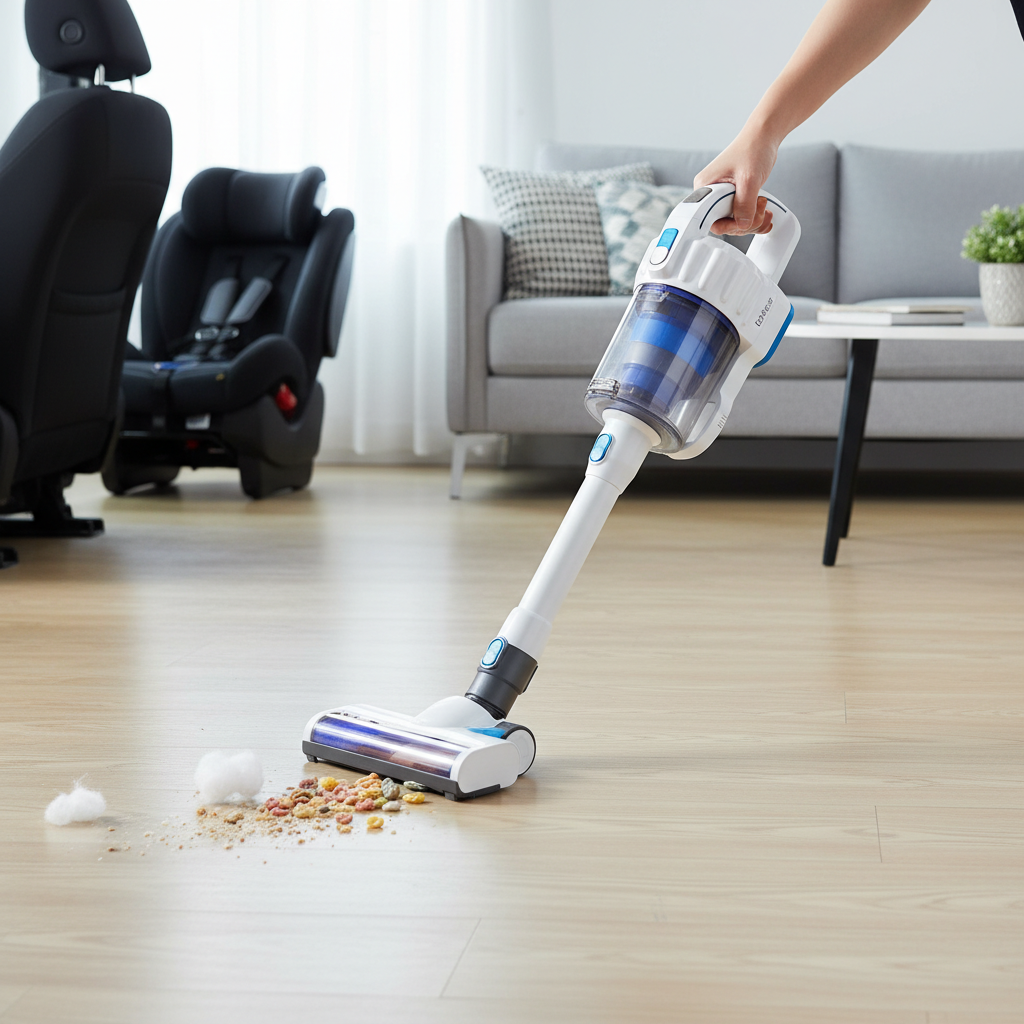
In today’s fast-paced world, maintaining a clean home often comes down to quick, efficient solutions. Handheld vacuum cleaners have long been championed for their grab-and-go convenience, tackling spills and tight spaces with ease. But with the evolution of cleaning technology, stick vacuums have emerged as versatile contenders, often boasting a convertible design that blurs the lines. Deciding between a stick vacuum and a dedicated handheld model is a common dilemma for consumers looking to optimize their cleaning arsenal. This article delves into the nuances of each, exploring their strengths, weaknesses, and ideal applications to help you make the best choice for your cleaning needs and lifestyle.
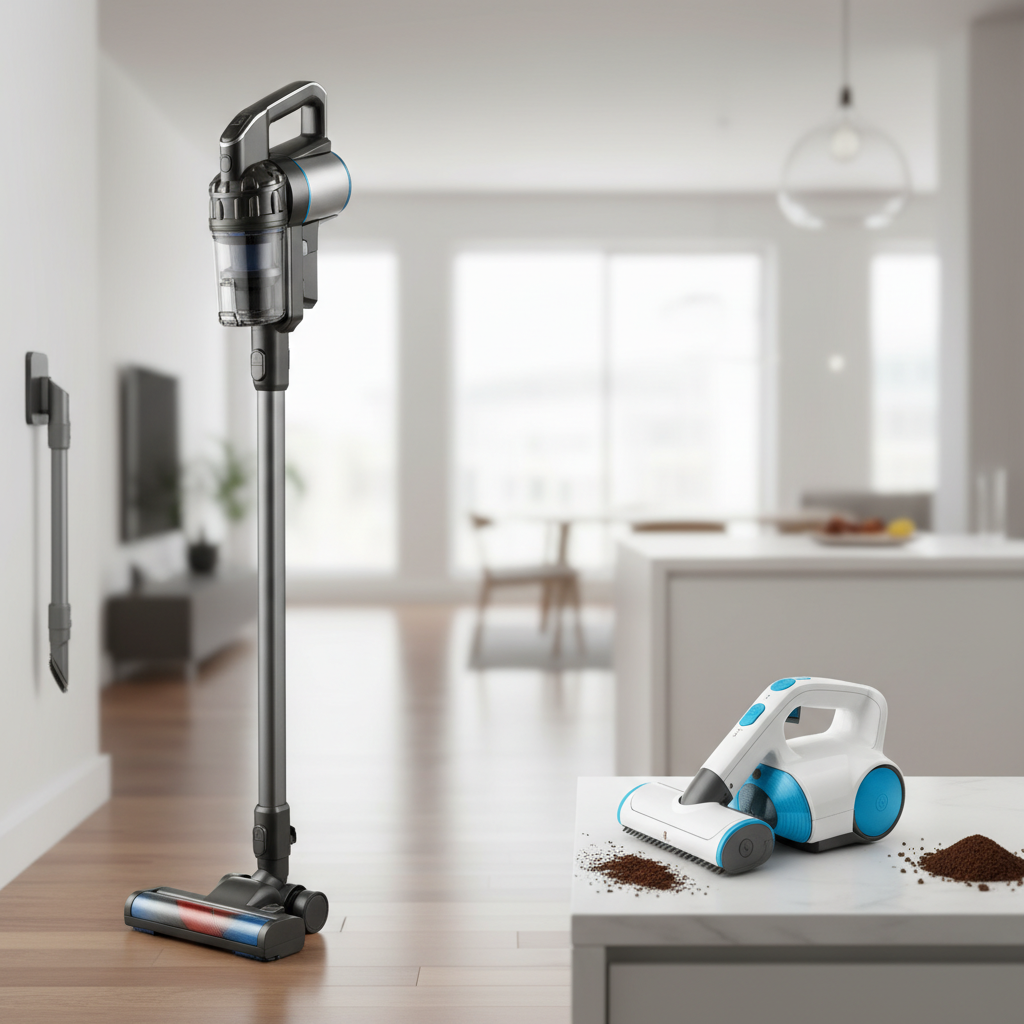
Advantages and Applications of Dedicated Handheld Vacuum Cleaners
Dedicated handheld vacuum cleaners are the quintessential tools for immediate, localized messes. Their primary allure lies in their unmatched portability and compact design. These small yet often powerful devices are perfectly suited for tackling those “uh-oh” moments that require quick intervention, from spilled cereal on the kitchen floor to pet hair on upholstery.
Their lightweight nature makes them incredibly easy to maneuver, allowing you to swiftly clean car interiors, staircases, furniture crevices, and even the dust lurking behind appliances. Many models are cordless and battery-powered, offering unrestricted movement without the hassle of searching for an outlet or untangling cords. Maintenance is typically straightforward, with easy-to-empty dustbins and washable filters, ensuring they’re always ready for the next unexpected mess.
The Rise of Stick Vacuum Cleaners: Versatility Redefined
Stick vacuum cleaners have revolutionized general home cleaning, offering a sleek, lightweight alternative to traditional upright and canister models. Their upright design with a long handle makes them comfortable for floor cleaning, addressing larger areas than a handheld could efficiently manage. Modern stick vacuums have significantly improved in suction power and battery life, with some high-end models even rivaling their corded counterparts on various floor types.
A key feature that makes many stick vacuums so compelling is their 2-in-1 functionality. Often, the main unit detaches from the stick, transforming into a versatile handheld vacuum. This allows users to seamlessly transition from cleaning floors to tackling above-floor tasks, car interiors, or upholstered furniture without needing a separate appliance. This adaptability makes them a popular choice for apartments and smaller homes where storage space is at a premium and a single device can fulfill multiple cleaning roles.
Understanding the Core Differences: Stick vs. Dedicated Handheld
While both stick and dedicated handheld vacuums offer portability, their design philosophies and primary applications differ significantly. Understanding these core distinctions is crucial when deciding which type best suits your lifestyle and cleaning habits.
Design and Portability
|
Our Picks for the Best Handheld vacuum cleaner in 2026
As an Amazon Associate I earn from qualifying purchases.
|
||
| Num | Product | Action |
|---|---|---|
| 1 | CKIKH Handheld Vacuum Cordless, 15000PA Strong Suction Hand Held Car Vacuum Cleaner Portable with Multi-Nozzles & Washable Filter, Lightweight Rechargeable Vacuum Cleaner for Home, Car, Office, Pets |

|
| 2 | MONOZEL Car Vacuum Portable Cordless, 18000Pa 2 in 1 Vacuum Cleaner&Air Duster, 130W Brushless Motor Handheld Vacuum Cordless with 7800mAh Battery, LED Light, Multi-Nozzles for Car, Home, Office, Pet |
|
| 3 | KMM Handheld Car Vacuum Cleaner, 9000Pa Vacuum Cleaner and Air Duster, 120W High Power Hand Held Vacuum with LED Light and Multi-Nozzles for Car, Home, Office, Pet |
|
| 4 | Bissell Pet Hair Eraser Cordless Hand Vacuum, Lithium Ion, Home, Auto, and Pet Vacuum, Easy-Empty Dirt Bin, Upholstery Tool, Brush Tool, and Crevice Tool Included, 2390A |
|
| 5 | Handheld Vacuum Cleaner, 28000Pa Brushless Motor Cordless Car Vacuum Cleaner, 3-Speed Mini Hoovers with Multiple Brush Heads Hand Held Vacuum Cordless for Office, Home, Kitchen, Car, Pet Hair |
|
| 6 | Gxzsk Handheld Vacuum Cordless, 15000PA Strong Suction Hand Held Car Vacuum Cleaner Rechargeable, Portable Hand Vacuum with Multi-Nozzles & Washable Filter for Home Office, Car, Pets |
|
| 7 | BLACK+DECKER dustbuster Cordless Handheld Vacuum, Portable Car Vacuum Cordless Rechargeable, Wall Mount, Strong Suction QuickClean (HNVC215B10) |
|
| 8 | BLACK+DECKER dustbuster AdvancedClean Handheld Vacuum Cordless, Compact Home and Car Vacuum with Crevice Tool, Rotating Nozzle and Charging Station, Large Dust Bowl (CHV1410L) |
|
| 9 | BLACK+DECKER dustbuster Cordless Handheld Vacuum, Portable Vacuum for Car and Home Rechargeable, Powerful Suction, Wide Mouth (HHVI315JO42) |
|
| 10 | Handheld Vacuum Cordless, Car Vacuums Powerful with Rechargeable Battery, Portable Hand Held Vacuum Cordless with Washable HEPA Filter, Mini Vacuums Kit for Men and Women |
|
Dedicated handheld vacuums are designed for maximum compactness and lightest weight, engineered to be held comfortably in one hand for quick spot cleaning. They are the epitome of grab-and-go convenience, ideal for instantaneous clean-ups. Stick vacuums, conversely, feature a longer body and handle, making them suitable for standing upright while cleaning floors, offering better ergonomics for larger surface areas. While many stick vacuums offer a detachable handheld component, their overall footprint and weight, even in handheld mode, can be slightly more substantial than a purpose-built handheld unit.
Suction Power and Battery Life
Traditionally, dedicated handheld vacuums offer sufficient suction for their intended purpose: small, localized messes. Their battery life is often optimized for shorter, intermittent use. Stick vacuums, particularly higher-end cordless models, are engineered to deliver more robust and sustained suction power, designed to handle larger floor areas and deeper cleaning on various surfaces like hard floors and carpets. Consequently, their battery capacities are generally larger, though continuous use on high settings can still drain them relatively quickly.
Primary Use Cases
Dedicated handhelds excel at targeted spot cleaning, removing crumbs from countertops, pet hair from furniture, dirt from car mats, or dust from tight corners. They are the ultimate companions for immediate, small-scale clean-ups. Stick vacuums, on the other hand, are primarily floor cleaners, making them excellent for daily maintenance across hard floors and low-pile carpets. Their detachable handheld function extends their utility to quick above-floor tasks, blending the capabilities of both types.
Dust Bin Capacity
Given their smaller size, dedicated handheld vacuums typically feature very compact dust bins that require frequent emptying. This is less of an issue for quick spot cleaning but can be cumbersome for larger tasks. Stick vacuums, by design, usually have larger dust bins, allowing for longer cleaning sessions before needing to be emptied. This makes them more practical for general home maintenance and covering more extensive areas.
Attachments and Accessories
Both types often come with various attachments like crevice tools and brush nozzles. Dedicated handhelds focus on tools that enhance their ability to reach tight spots and clean upholstery effectively. Stick vacuums, especially those with convertible designs, frequently include a wider array of specialized floorheads (for different floor types) and attachments that support both floor cleaning and detailed handheld tasks, maximizing their versatility across diverse cleaning challenges.
Comparison Table: Stick Vacuums vs. Dedicated Handhelds
To further clarify the distinctions, here’s a comparison table highlighting key attributes:
| Feature | Dedicated Handheld Vacuum Cleaner | Stick Vacuum Cleaner (often 2-in-1) |
|---|---|---|
| Form Factor | Ultra-compact, single-hand operation | Upright with long handle, often converts |
| Primary Use | Spot cleaning, cars, upholstery, stairs | Floor cleaning, daily upkeep |
| Suction (General) | Good for small messes | Stronger, sustained for larger areas |
| Battery Life | Optimized for short, quick bursts | Longer runtimes, especially on lower settings |
| Dust Bin | Small, requires frequent emptying | Larger capacity |
| Weight | Very lightweight | Lightweight to moderate |
| Storage | Minimal space, easily stored in drawers | Slim profile, stands upright or wall-mounted |
| Versatility | Highly specialized for targeted tasks | All-around cleaner, versatile for floors and details |
| Price Range | Generally more affordable | Wider range, higher-end can be significant |
Choosing Your Ideal Cleaner: Factors to Consider
Selecting the right vacuum cleaner involves more than just looking at features; it’s about matching the tool to your specific cleaning environment and habits.
Your Home Size and Layout
For a studio apartment or a small home with mostly hard floors and minimal carpets, a versatile stick vacuum (especially a 2-in-1 model) might suffice as your primary cleaner, handling both floor maintenance and quick spills. In contrast, if you live in a larger house with extensive carpeting, a dedicated handheld might serve as an excellent supplementary tool for quick fixes, while a more powerful upright or canister vacuum handles the main floor cleaning.
Types of Messes You Tackle Most Often
If your cleaning routine is dominated by frequent, small spills, pet hair on furniture, or car cleaning, a dedicated handheld vacuum offers unparalleled convenience. Its immediate availability and ease of use make it perfect for these specific tasks. However, if you’re regularly vacuuming larger floor areas, especially if you have pets or kids, a stick vacuum’s ability to cover more ground efficiently will be a major advantage.
Budget and Brand Preference
Dedicated handheld vacuums are generally more budget-friendly, making them an accessible option for adding quick-clean capabilities to your home. Stick vacuums span a broader price range, with premium models offering advanced features, stronger suction, and longer battery life. Researching reputable brands like Dyson, Shark, Xiaomi, and Black+Decker, known for their reliability and performance, can help you find a model that fits your budget and offers a solid warranty.
Storage Availability
Both types are celebrated for their relatively compact storage. Dedicated handhelds can often be tucked into a drawer or a small cabinet. Stick vacuums, with their slim profiles, can be stored upright in a corner or mounted on a wall. Consider your available storage space and how easily you want to access your vacuum for everyday tasks. An easily accessible vacuum is one you’re more likely to use regularly.
Top Picks for Every Need: Blending Stick and Handheld Strengths
When exploring top-rated models, you’ll find brands like Dyson, Shark, and Xiaomi frequently appear, offering excellent options in both categories, often with their stick vacuums featuring a detachable handheld component. For instance, a Dyson V-series stick vacuum exemplifies the powerful 2-in-1 functionality, providing robust suction for floors and easy conversion for detailed work. For those seeking a dedicated handheld, compact models from Black+Decker or similar brands offer strong performance for spot cleaning. The best choice ultimately depends on whether you prioritize an all-in-one floor and detail cleaner or a highly specialized tool for quick, targeted interventions.
Maximizing Performance: Tips for Use and Maintenance
Regardless of whether you choose a stick vacuum, a dedicated handheld, or both, proper use and maintenance are key to extending their lifespan and ensuring optimal performance.
- Charge Regularly: For cordless models, always ensure your vacuum is fully charged before use to maximize run time and suction power.
- Empty the Dust Bin: Empty the dust bin after each significant use. Overfilling can reduce suction and strain the motor.
- Clean Filters: Regularly clean or replace filters according to the manufacturer’s instructions. Clogged filters drastically reduce efficiency and can cause overheating.
- Inspect Brush Rolls: For stick vacuums, check the brush roll periodically for tangled hair or debris and remove it to maintain effective cleaning.
- Store Properly: Store your vacuum in a dry, safe place. If wall-mountable, use the provided mount to keep it off the floor and easily accessible.
Frequently Asked Questions
Is a stick vacuum with a detachable handheld as good as a dedicated handheld vacuum?
A stick vacuum with a detachable handheld offers excellent versatility, often providing sufficient power for many spot-cleaning tasks. However, dedicated handhelds are typically lighter and more compact, making them slightly more convenient for very specific, quick, and tight-space cleaning jobs like car interiors or intricate upholstery work.
How long does the battery typically last on these types of vacuums?
Battery life varies significantly by model and power setting. Dedicated handhelds might offer 10-20 minutes of strong suction, ideal for quick tasks. Stick vacuums can range from 15 minutes on high power to 45-60 minutes on eco mode, making them suitable for larger areas.
Can a stick vacuum replace my traditional upright vacuum?
For many smaller homes, apartments, or those with mostly hard floors, a high-quality stick vacuum can serve as a primary cleaner. However, for large homes with deep-pile carpets or significant pet hair, a traditional upright or canister vacuum might still offer superior deep cleaning power and larger dustbin capacity.
Are these vacuums good for pet hair?
Both stick and dedicated handheld vacuums can be effective for pet hair. Stick vacuums often come with motorized brush heads that are excellent for picking up pet hair from floors and low-pile carpets. Dedicated handhelds, particularly those with specialized pet tools, are superb for removing hair from upholstery, pet beds, and car interiors.
What should I look for in terms of filtration?
Look for multi-stage filtration systems, and ideally, HEPA filters in stick vacuums, especially if you have allergies. While less common in basic handhelds, good filtration prevents dust and allergens from being released back into the air.
How important is weight when choosing between these two types?
Weight is crucial for both convenience and ergonomics. A lighter dedicated handheld is easier for extended overhead cleaning or detailed car work. For stick vacuums, a lighter model reduces strain during floor cleaning, making it more pleasant for daily use, especially for users with mobility concerns.