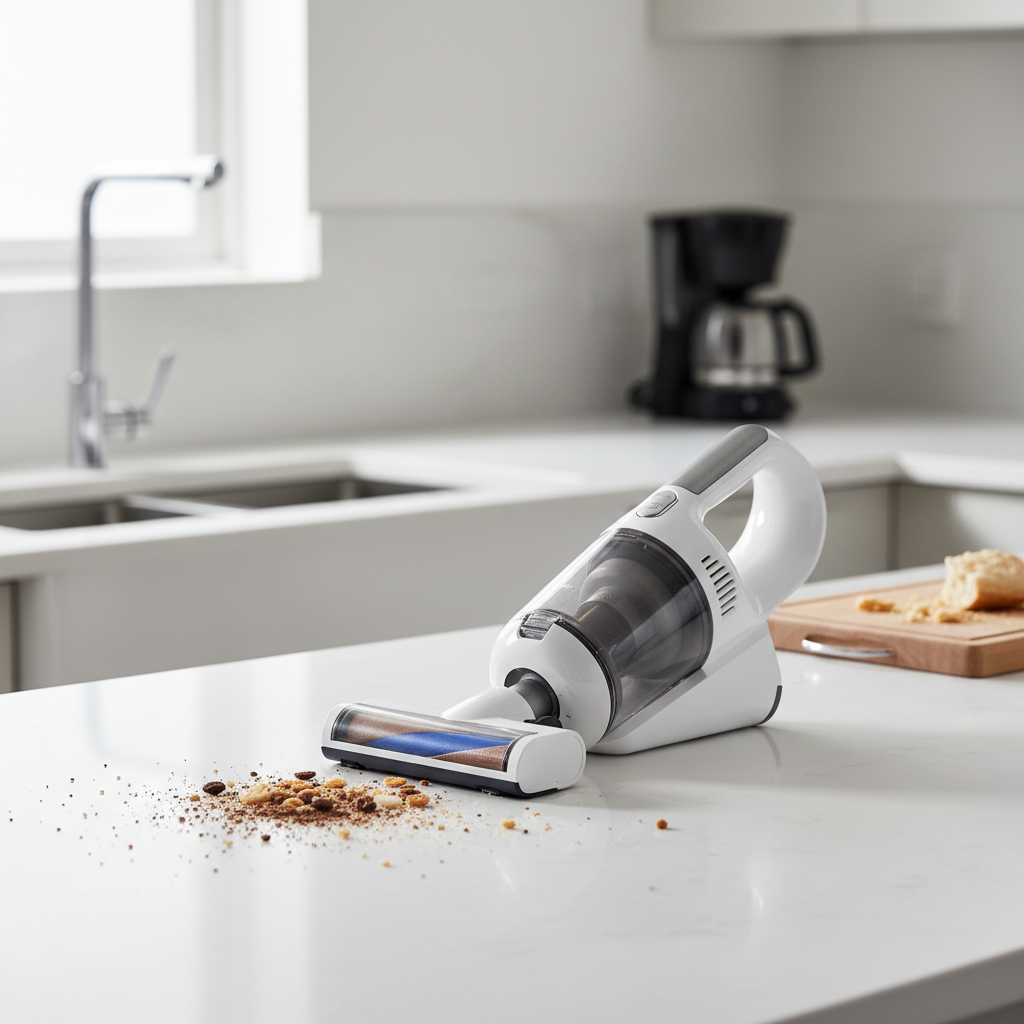
Choosing the perfect handheld vacuum cleaner can feel like navigating a maze of specifications, especially when comparing suction power metrics like Pascals (Pa). As a technician with over a decade of experience, I’ve seen countless models, and a common question revolves around whether 8000Pa is enough, or if the extra punch of 15000Pa is truly necessary. This comprehensive guide will dissect the practical differences between these two suction levels, helping you understand which handheld vacuum cleaner aligns best with your cleaning needs and budget.
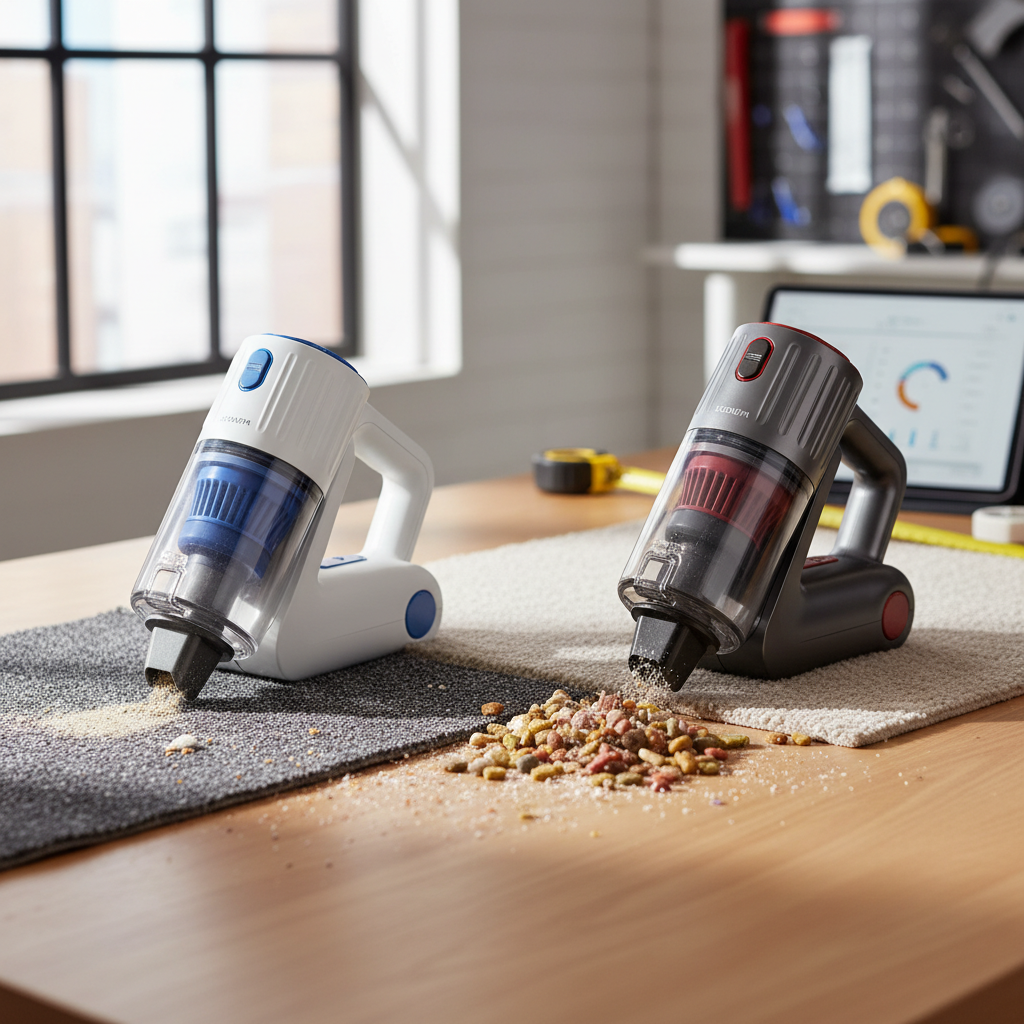
Handheld Vacuum Cleaners: Convenience and Application
Handheld vacuum cleaners have become indispensable tools for quick cleanups and tackling messes that larger vacuums can’t reach. Their compact size and cordless freedom make them ideal for various scenarios, from vacuuming car interiors and upholstery to sweeping up crumbs on kitchen counters and dust from keyboard crevices. Unlike traditional corded or upright vacuums, handheld models prioritize portability and immediate access, making them a go-to for spot cleaning.
These devices offer unparalleled convenience, allowing users to address spills and dirt quickly before they become larger problems. Their lightweight design makes them easy to maneuver, significantly reducing the effort required for touch-up cleaning around the house or in your vehicle.
Understanding Suction Power: Pa Explained
When evaluating a handheld vacuum cleaner, “suction power” is a crucial indicator of its effectiveness. Among the various metrics, Pascals (Pa) is a widely used unit, especially for robotic and cordless stick vacuums, to quantify the negative pressure a vacuum generates. This pressure represents the force the vacuum exerts to lift debris. While other measurements like Air Watts (AW) combine airflow and suction strength, Pa directly reflects the “pulling force” at the nozzle. Generally, a higher Pa value signifies stronger suction.
However, suction power isn’t the sole determinant of cleaning prowess. A vacuum’s overall performance is a complex interplay of suction, airflow, brush roll design, and the integrity of its sealed system. Without adequate airflow, even strong suction might struggle to carry debris effectively, potentially leading to clogs.
8000Pa Suction Power: Ideal Scenarios
An 8000Pa suction rating positions a handheld vacuum cleaner in the “high suction” category for quick, everyday cleaning tasks. Many handheld vacuums are designed to operate within a range of 3,000 to 8,000 Pa, making 8000Pa a robust option for general use. [cite: 1 (search 2)]
This level of suction is typically sufficient for:
- Light Messes: Dust, dirt, crumbs, pet dander, and small debris on hard surfaces, upholstery, and low-pile carpets.
- Vehicle Interiors: Maintaining cleanliness in cars, removing dirt from floor mats, seats, and tight crevices.
- Spot Cleaning: Quickly addressing spills, messes under furniture, or dirt accumulated in corners.
- Keyboards and Electronics: Effectively lifting dust and particles from intricate areas without excessive power.
Handheld vacuum cleaners offering around 8000Pa often strike a good balance between effective cleaning and practical considerations like battery life and weight. They are an excellent choice for users seeking a reliable tool for routine touch-ups and managing common household or car debris efficiently.
15000Pa Suction Power: When More Power Matters
Stepping up to a 15000Pa suction power rating signifies a handheld vacuum cleaner designed for more demanding cleaning challenges. While conventional handheld vacuums usually hover around 3,000-8,000 Pa, some high-performance models or specialized portable wet-dry vacuums can achieve or exceed 15000Pa, offering capabilities often found in larger, more powerful units. [cite: 1 (search 2)]
This significantly higher suction is particularly beneficial for:
- Deep-Seated Dirt: Extracting stubborn debris and embedded pet hair from carpets, rugs, and thick upholstery. Pet owners, for instance, are often advised to aim for 12-15 kPa (12,000-15,000 Pa) or higher for effective hair removal. [cite: 2 (search 2)]
- Heavier Debris: Picking up larger particles like cat litter, small stones, or even wet spills (if it’s a wet/dry model).
- Workshop and Garage Cleanup: Tackling sawdust, metal shavings, and heavier dirt that lighter vacuums might struggle with.
- Thorough Car Detailing: Achieving a professional level of cleanliness in car interiors, especially for heavily soiled areas.
A handheld vacuum cleaner with 15000Pa suction provides a noticeable advantage when faced with tough messes, ensuring a deeper clean in fewer passes. This increased power often comes with trade-offs, such as a potentially higher price, shorter battery life on maximum settings, increased weight, and greater noise output. However, for those with specific heavy-duty cleaning needs, the investment in a 15000Pa handheld can be well worth it.
Comparison: 8000Pa vs 15000Pa Handheld Vacuum Cleaner Suction Power
To help you decide, here’s a detailed comparison between 8000Pa and 15000Pa suction power in handheld vacuum cleaners:
| Feature | 8000Pa Handheld Vacuum Cleaner | 15000Pa Handheld Vacuum Cleaner |
|---|---|---|
| Target User | Everyday users, light cleaners, car owners, those needing quick spot treatment. | Pet owners, users with embedded dirt/heavy messes, workshop enthusiasts, those seeking deep cleaning. |
| Recommended Uses | Crumbs, dust, light pet hair, surface dirt, car interiors, upholstery, keyboards. | Embedded pet hair, larger debris, deep carpet/upholstery cleaning, workshop spills, heavier car messes. |
| Typical Debris | Fine dust, small food particles, lint, light hair. | Embedded pet hair, sand, gravel, dried mud, heavier food particles. |
| Battery Life (Max) | Generally longer runtimes on maximum power. | Potentially shorter runtimes on maximum power due to higher energy demand. |
| Price Point | Usually more affordable. | Typically falls into a higher price bracket. |
| Weight/Portability | Often lighter and more compact. | Can be slightly heavier and bulkier due to a more powerful motor and battery. |
| Noise Level | Generally quieter. | Tends to be louder, especially on its highest setting. |
| Cleaning Efficiency | Excellent for surface cleaning and light embedded debris. | Superior for deep cleaning and removing stubborn, embedded dirt. |
“The ideal suction power isn’t about the highest number; it’s about matching the vacuum’s capabilities to your specific cleaning challenges. Too much power can be overkill for light tasks, while too little will leave you frustrated.” – Admin, ReviewerBil.com, Handheld Vacuum Expert
Beyond Suction: Other Critical Factors for Handheld Vacuum Performance
While Pa ratings are important, a handheld vacuum cleaner’s true effectiveness is a sum of its parts. Considering these additional factors will ensure you choose a vacuum that performs optimally:
- Airflow and Nozzle Design: Suction pulls, but airflow carries. A well-designed nozzle and efficient airflow path are crucial to prevent clogging and effectively transport debris into the dustbin. A balance between suction and airflow ensures debris is not only lifted but also contained. [cite: 1 (search 1)]
- Brush Roll Technology: For handhelds designed to tackle upholstery or even small carpeted areas, a motorized brush roll can significantly enhance cleaning by agitating fibers and loosening embedded dirt. Without this mechanical action, even high suction might struggle on certain surfaces.
- Filtration Systems: A robust multi-stage filtration system, especially one with a HEPA filter, is vital. It traps fine dust, allergens, and pet dander, preventing them from being recirculated into the air. Good filtration also helps maintain suction power over time by keeping the motor clean.
- Sealed System Design: Air leaks in the vacuum’s body or connections can drastically reduce effective suction at the nozzle. A tightly sealed system ensures that the generated suction power is fully utilized for cleaning.
- Battery Technology and Run Time: For cordless handhelds, the quality of the battery impacts both run time and consistent suction. Higher Pa often means higher power consumption, so consider models with advanced battery management and multiple power modes to balance performance and endurance.
- Attachments and Versatility: The right set of attachments—crevice tools, brush nozzles, upholstery tools—can extend a handheld vacuum’s utility, allowing it to tackle diverse cleaning tasks more effectively, regardless of its raw suction power.
Choosing the Right Handheld Vacuum for Your Needs
Selecting the ideal handheld vacuum cleaner involves a thoughtful assessment of your specific environment and cleaning habits:
- Assess Your Cleaning Needs: Do you primarily deal with light, everyday dust and crumbs, or do you face challenging messes like embedded pet hair or workshop debris? This will be the primary driver in determining whether 8000Pa or 15000Pa (or even higher) is appropriate.
- Consider Surfaces: For hard floors and light upholstery, 8000Pa is often perfectly adequate. For homes with extensive carpeting, pets, or areas prone to heavy soiling, investing in a 15000Pa handheld vacuum cleaner will offer a more thorough and efficient clean.
- Evaluate Battery Life: More powerful handhelds typically offer shorter runtimes on their highest suction settings. If you need extended cleaning sessions, look for models with larger batteries or those that balance suction with efficiency.
- Factor in Portability and Weight: A lighter, more compact 8000Pa model might be preferable for quick, frequent tasks, while a slightly heavier 15000Pa unit could be acceptable if its deep-cleaning power is a priority.
- Set Your Budget: Generally, higher suction power correlates with a higher price point. Determine how much you’re willing to invest in cleaning performance and compare features within that range.
- Read Reviews and Check Warranty: Always research specific models and brands. User reviews can provide practical insights into real-world performance, and a good warranty offers peace of mind.
Maximizing Your Handheld Vacuum’s Suction Power
To ensure your handheld vacuum cleaner consistently delivers its advertised suction power, regular maintenance is key:
- Regular Filter Cleaning/Replacement: Clogged filters are a primary cause of suction loss. Clean or replace filters according to manufacturer recommendations. Ensure washable filters are completely dry before reinstallation.
- Empty the Dustbin Frequently: Don’t wait until the dustbin is overflowing. A full bin restricts airflow, reducing suction efficiency.
- Clear Blockages: Inspect the nozzle, hose, and any attachments for clogs from hair, large debris, or lint. Blockages severely impede airflow and suction. [cite: 1 (search 2)]
- Maintain Brush Rolls: If your handheld has a brush roll, regularly remove tangled hair, threads, and fibers to ensure it spins freely and agitates effectively.
- Check Battery Health: For cordless models, aging batteries can lead to decreased power output and reduced suction over time. Consider replacing the battery if you notice a significant decline in performance.
- Avoid Liquids (Unless Wet/Dry): Inhaling liquids or large, hard particles into a standard dry vacuum can damage the motor and fan, causing a sharp drop in suction.
Conclusion
The choice between an 8000Pa and a 15000Pa handheld vacuum cleaner ultimately hinges on your specific cleaning demands. An 8000Pa model excels at quick cleanups and light messes, offering a convenient and efficient solution for daily tasks. In contrast, a 15000Pa unit steps up to the plate for more challenging scenarios, providing the deep-cleaning power needed to tackle embedded dirt, pet hair, and heavier debris. Remember that raw suction power is just one piece of the puzzle; factors like airflow, brush design, filtration, and a sealed system all contribute to overall cleaning effectiveness. By aligning a handheld vacuum cleaner’s capabilities with your individual needs, you can ensure a spotless home and a more efficient cleaning routine.
What kind of messes do you find most challenging to clean with your current handheld vacuum?
Frequently Asked Questions
Does a higher Pa value for a handheld vacuum cleaner necessarily mean better cleaning performance?
|
Our Picks for the Best Handheld vacuum cleaner in 2026
As an Amazon Associate I earn from qualifying purchases.
|
||
| Num | Product | Action |
|---|---|---|
| 1 | BLACK+DECKER dustbuster Cordless Handheld Vacuum, Portable Car Vacuum Cordless Rechargeable, Wall Mount, Strong Suction QuickClean (HNVC215B10) |

|
| 2 | Handheld Vacuum Cordless, Car Vacuums Powerful with Rechargeable Battery, Portable Hand Held Vacuum Cordless with Washable HEPA Filter, Mini Vacuums Kit for Men and Women |
|
| 3 | Bissell Pet Hair Eraser Cordless Hand Vacuum, Lithium Ion, Home, Auto, and Pet Vacuum, Easy-Empty Dirt Bin, Upholstery Tool, Brush Tool, and Crevice Tool Included, 2390A |
|
| 4 | CKIKH Handheld Vacuum Cordless, 15000PA Strong Suction Hand Held Car Vacuum Cleaner Portable with Multi-Nozzles & Washable Filter, Lightweight Rechargeable Vacuum Cleaner for Home, Car, Office, Pets |
|
| 5 | KMM Handheld Car Vacuum Cleaner, 9000Pa Vacuum Cleaner and Air Duster, 120W High Power Hand Held Vacuum with LED Light and Multi-Nozzles for Car, Home, Office, Pet |
|
| 6 | Gxzsk Handheld Vacuum Cordless, 15000PA Strong Suction Hand Held Car Vacuum Cleaner Rechargeable, Portable Hand Vacuum with Multi-Nozzles & Washable Filter for Home Office, Car, Pets |
|
| 7 | BLACK+DECKER dustbuster AdvancedClean Handheld Vacuum Cordless, Compact Home and Car Vacuum with Crevice Tool, Rotating Nozzle and Charging Station, Large Dust Bowl (CHV1410L) |
|
| 8 | MONOZEL Car Vacuum Portable Cordless, 18000Pa 2 in 1 Vacuum Cleaner&Air Duster, 130W Brushless Motor Handheld Vacuum Cordless with 7800mAh Battery, LED Light, Multi-Nozzles for Car, Home, Office, Pet |
|
| 9 | BLACK+DECKER dustbuster Cordless Handheld Vacuum, Portable Vacuum for Car and Home Rechargeable, Powerful Suction, Wide Mouth (HHVI315JO42) |
|
| 10 | Handheld Vacuum Cleaner, 28000Pa Brushless Motor Cordless Car Vacuum Cleaner, 3-Speed Mini Hoovers with Multiple Brush Heads Hand Held Vacuum Cordless for Office, Home, Kitchen, Car, Pet Hair |
|
Not necessarily. While higher Pa indicates stronger suction, effective cleaning also depends on factors like airflow, brush roll design, and a sealed system. A vacuum with balanced attributes often outperforms one with high Pa alone but poor design.
How can I tell if my handheld vacuum has enough suction?
Try to lift visible dirt or debris in a single pass across different surfaces. If it requires multiple passes or leaves behind fine particles, your vacuum might lack sufficient suction for the task. Placing your hand over the nozzle to feel the pull can also provide a rough gauge.
Can an 8000Pa handheld vacuum cleaner handle pet hair effectively?
An 8000Pa handheld vacuum can manage light pet hair on hard surfaces and upholstery. However, for heavily embedded pet hair in carpets or fabric, a 15000Pa or higher suction power, often combined with a motorized brush, will be significantly more effective.
Will a 15000Pa handheld vacuum cleaner drain its battery much faster than an 8000Pa model?
Yes, generally. Higher suction power requires more energy, leading to a faster battery drain, especially when operating on the maximum setting. Models with 15000Pa or more may have shorter runtimes compared to their lower-powered counterparts.
What is the typical lifespan of a handheld vacuum cleaner battery, and how does it affect suction?
Lithium-ion batteries in cordless handheld vacuums typically last 2-5 years. Over time, an aging battery can experience a decrease in power output, which directly impacts the vacuum’s peak suction performance and the duration it can maintain strong suction.