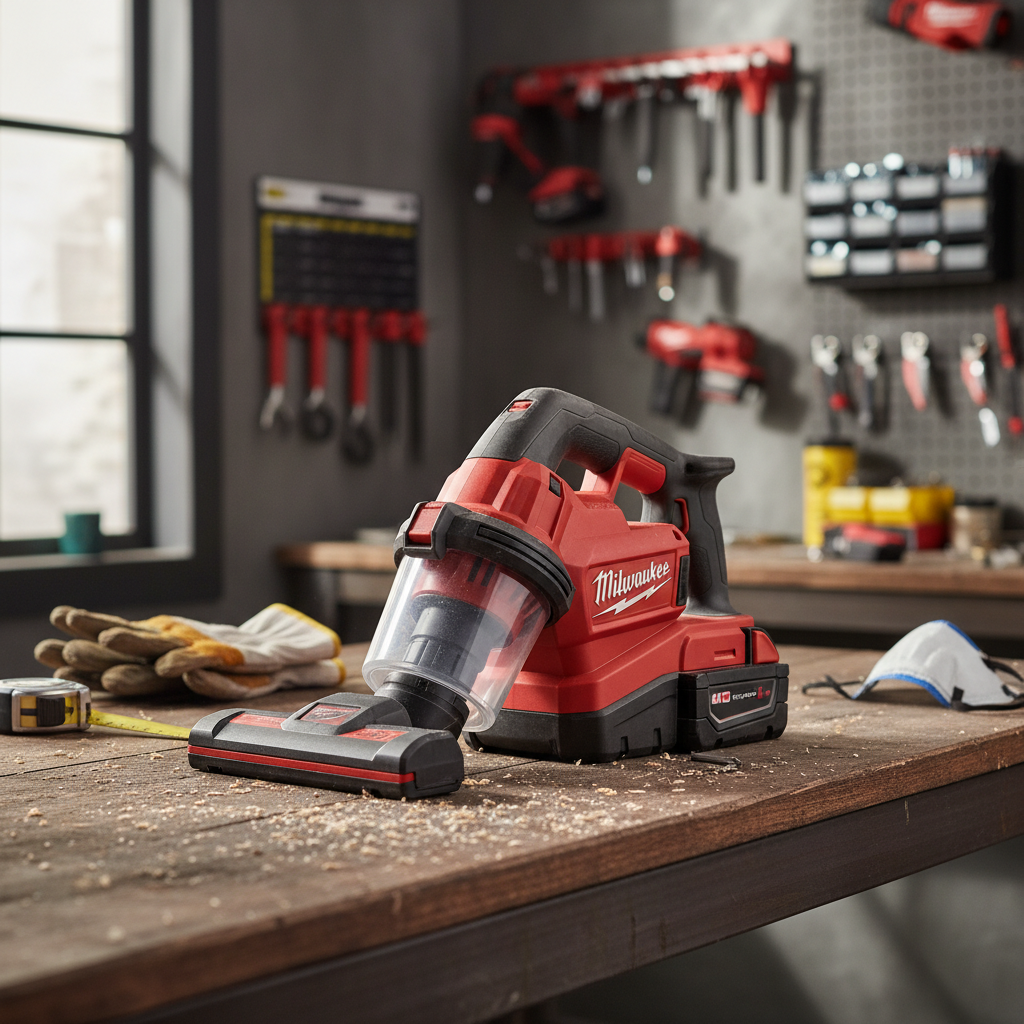
The unsettling sound of breaking glass can instantly turn a calm moment into a stressful cleaning emergency. Whether it’s a dropped wine glass, a shattered picture frame, or a broken ceramic dish, tiny, insidious glass shards scatter, posing a significant hazard to pets, children, and even bare feet. Reaching for a standard upright or stick vacuum might seem like the quickest solution, but this common mistake can irreparably damage your vacuum and potentially launch dangerous fragments into the air. However, with the right tool – a specialized handheld vacuum cleaner – you can confidently and safely tackle these hazardous messes, restoring peace of mind to your home.
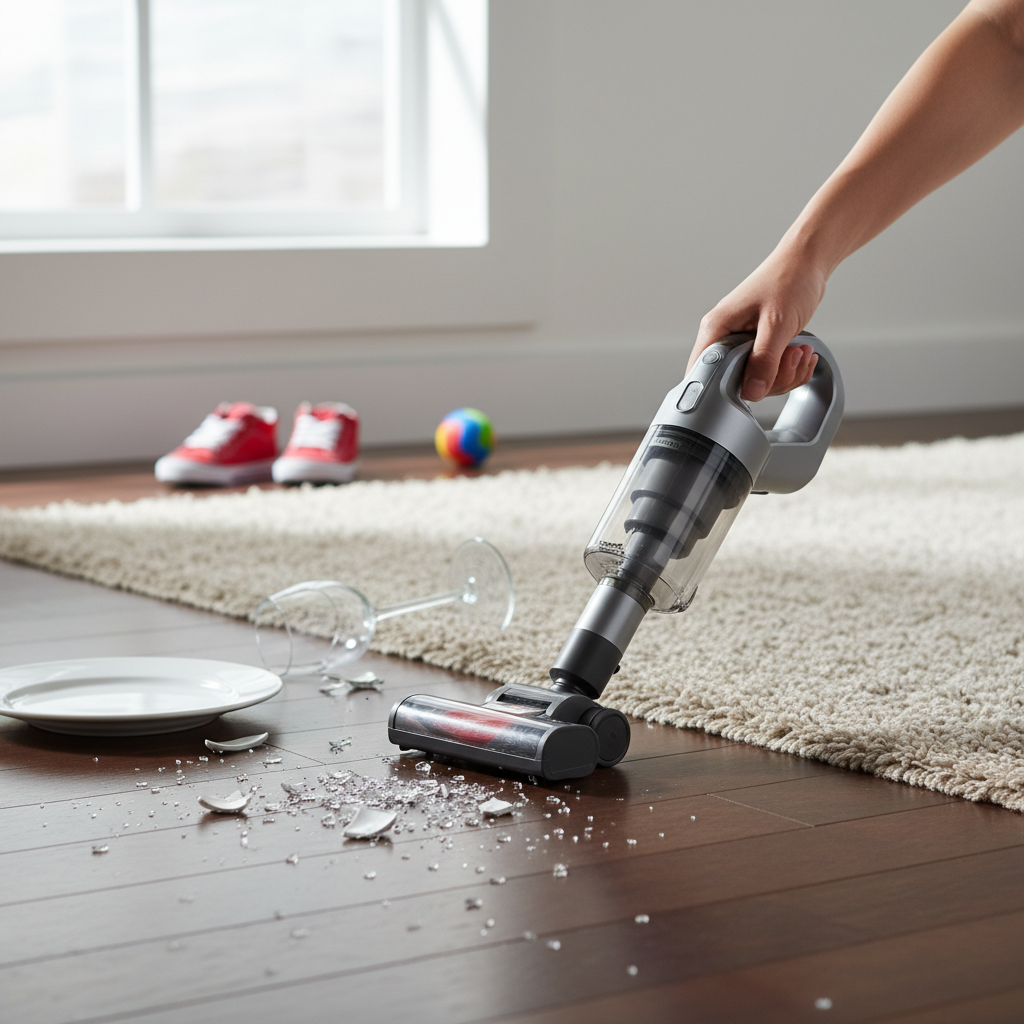
Handheld Vacuums: Your Go-To for Unexpected Glass Messes
Handheld vacuum cleaners offer an unparalleled blend of portability and precision, making them indispensable for quick cleanups. For glass shards, their compact design and direct suction capabilities position them as a superior choice over bulkier, less agile alternatives. Unlike traditional vacuums with long, flexible hoses and rotating brush rolls, many handheld models are designed to minimize the path glass fragments travel, reducing the risk of damage to the unit itself and preventing shards from scattering further.
The primary advantage of a handheld vacuum in this scenario is its ability to provide targeted, powerful suction right where it’s needed. This direct approach ensures that dangerous pieces are collected efficiently without posing a threat to the vacuum’s internal components. While larger breaks might still necessitate initial manual cleanup, a robust handheld vacuum is perfect for meticulously gathering the fine, often invisible, shards that remain.
Understanding Handheld Vacuum Types for Glass Shards
When confronted with broken glass, it’s crucial to understand which types of vacuums are safe to use and, more importantly, which ones to avoid. Many household vacuums are not equipped to handle sharp debris. Using the wrong vacuum can lead to cut hoses, punctured bags, damaged filters, or even a compromised motor, ultimately rendering your appliance useless.
Vacuums to Avoid for Glass Shards:
- Standard Upright or Canister Vacuums with Flexible Hoses: These hoses, often made of rubber or plastic, can be easily sliced by sharp glass as it travels through, creating weak points or embedding fragments.
- Vacuums with Beater Brushes/Powerheads: The rotating brushes on many floorheads can embed glass into their bristles or fling shards outward, exacerbating the mess and increasing risk.
- Bagged Vacuums: Glass shards can puncture disposable vacuum bags, releasing fine dust and particles back into the air or causing leaks. Even bagless canisters can be scratched internally.
- Robot Vacuums: These delicate devices are entirely unsuitable for glass. Shards can scratch sensors, cut internal mechanisms, or embed in rubber wheels, turning them into sandpaper that can damage your floors.
- Household Wet/Dry Floor Washers: These differ from industrial shop vacs. Their complex internal water pumps and narrow piping are susceptible to damage and clogs from sharp glass.
Only hose-free handheld vacuums and industrial shop vacuums are generally deemed safe for collecting glass shards. For the purpose of quick, precise, and accessible cleanup in a home setting, a well-chosen handheld vacuum is often the most practical solution for small to medium-sized spills.
Key Features to Look for in a Handheld Vacuum for Glass Cleanup
Selecting the best handheld vacuum for tackling glass shards requires a focus on specific features that prioritize safety, durability, and effective debris collection.
Strong Suction Power
|
Our Picks for the Best Handheld vacuum cleaner in 2026
As an Amazon Associate I earn from qualifying purchases.
|
||
| Num | Product | Action |
|---|---|---|
| 1 | Handheld Vacuum Cordless, Car Vacuums Powerful with Rechargeable Battery, Portable Hand Held Vacuum Cordless with Washable HEPA Filter, Mini Vacuums Kit for Men and Women |

|
| 2 | KMM Handheld Car Vacuum Cleaner, 9000Pa Vacuum Cleaner and Air Duster, 120W High Power Hand Held Vacuum with LED Light and Multi-Nozzles for Car, Home, Office, Pet |
|
| 3 | Gxzsk Handheld Vacuum Cordless, 15000PA Strong Suction Hand Held Car Vacuum Cleaner Rechargeable, Portable Hand Vacuum with Multi-Nozzles & Washable Filter for Home Office, Car, Pets |
|
| 4 | CKIKH Handheld Vacuum Cordless, 15000PA Strong Suction Hand Held Car Vacuum Cleaner Portable with Multi-Nozzles & Washable Filter, Lightweight Rechargeable Vacuum Cleaner for Home, Car, Office, Pets |
|
| 5 | BLACK+DECKER dustbuster Cordless Handheld Vacuum, Portable Car Vacuum Cordless Rechargeable, Wall Mount, Strong Suction QuickClean (HNVC215B10) |
|
| 6 | Handheld Vacuum Cleaner, 28000Pa Brushless Motor Cordless Car Vacuum Cleaner, 3-Speed Mini Hoovers with Multiple Brush Heads Hand Held Vacuum Cordless for Office, Home, Kitchen, Car, Pet Hair |
|
| 7 | BLACK+DECKER dustbuster Cordless Handheld Vacuum, Portable Vacuum for Car and Home Rechargeable, Powerful Suction, Wide Mouth (HHVI315JO42) |
|
| 8 | MONOZEL Car Vacuum Portable Cordless, 18000Pa 2 in 1 Vacuum Cleaner&Air Duster, 130W Brushless Motor Handheld Vacuum Cordless with 7800mAh Battery, LED Light, Multi-Nozzles for Car, Home, Office, Pet |
|
| 9 | Bissell Pet Hair Eraser Cordless Hand Vacuum, Lithium Ion, Home, Auto, and Pet Vacuum, Easy-Empty Dirt Bin, Upholstery Tool, Brush Tool, and Crevice Tool Included, 2390A |
|
| 10 | BLACK+DECKER dustbuster AdvancedClean Handheld Vacuum Cordless, Compact Home and Car Vacuum with Crevice Tool, Rotating Nozzle and Charging Station, Large Dust Bowl (CHV1410L) |
|
Effective removal of glass shards, especially tiny, almost invisible fragments, relies heavily on robust suction. A powerful motor ensures that debris is pulled quickly and efficiently into the collection chamber, minimizing the chance of shards lingering on surfaces or damaging the vacuum’s intake. Look for models with strong airflow and suction, often indicated by higher voltage for cordless units.
Durable, Bagless Debris Chamber
A crucial feature for glass cleanup is a sturdy, bagless collection chamber. Glass shards can easily tear through paper or thin fabric bags, allowing hazardous particles to escape. Handheld vacuums with durable plastic or metal debris chambers are preferred because they can withstand sharp edges without tearing. A transparent collection bowl is an added benefit, allowing you to monitor the cleanup progress and confirm all glass has been collected without needing to open the unit.
Advanced Filtration System
Glass dust, often invisible, is incredibly fine and hazardous if inhaled. A handheld vacuum designed for glass should feature an advanced filtration system to trap these minuscule particles effectively. HEPA-standard filtration is highly recommended, as it captures 99.97% of airborne particles as small as 0.3 microns, ensuring that glass dust is contained within the vacuum and not recirculated into the air. Washable filters are also practical, allowing for easy cleaning after use.
Hose-Free Design and Wide Nozzle
For vacuuming glass, a hose-free design is paramount. This direct suction mechanism eliminates the risks associated with flexible hoses, where glass can become lodged or cause damage. Furthermore, a handheld vacuum with a wide mouth or nozzle can minimize the possibility of clogging while effectively handling larger fragments of glass. Attachments like a crevice tool can also be useful for reaching into tight spaces where shards might hide.
Battery Life and Portability
While not directly related to glass removal safety, adequate battery life and a lightweight design enhance the practicality of a handheld vacuum for emergencies. Most handhelds offer 10-20 minutes of run time, which is usually sufficient for cleaning up a glass spill. A lightweight unit makes it easy to maneuver precisely and quickly, reducing fatigue during meticulous cleanup.
Top-Rated Handheld Vacuums for Cleaning Up Glass Shards
When selecting a handheld vacuum for glass cleanup, focus on models known for their robust suction, durable construction, and efficient filtration. Here are some of the top contenders that excel in handling solid debris and offer the features necessary for safely removing glass shards:
Shark UltraCyclone Pet Pro+
The Shark UltraCyclone Pet Pro+ is frequently praised for its powerful suction and ability to tackle solid debris effectively on various surfaces, including bare floors and carpets. Its compact size, combined with strong performance, makes it an excellent choice for targeted cleanup. The inclusion of a slim crevice tool is particularly useful for reaching into tight spots where glass fragments might hide. Its durable design and efficient collection system make it a strong candidate for quick glass shard removal.
Black+Decker Dustbuster Series
The Black+Decker Dustbuster line offers reliable performance, often at a budget-friendly price point, making it a popular choice for everyday spills. Models like the Black+Decker Furbuster AdvanceClean+ are noted for their wide motorized attachments, which can be effective for covering larger areas quickly, and some models include a built-in crevice tool for versatility. The brand is known for its reliability, which is a key factor when dealing with hazardous materials like glass.
DeWalt 20V Max Cordless Portable Vacuum
For those who need a more heavy-duty option, perhaps for a workshop or garage where glass breakage might be more common or severe, the DeWalt 20V Max Cordless Portable Vacuum stands out. Often listed among the best for garages and workshops, this type of vacuum suggests a level of durability and robust construction that can handle tougher debris like glass shards [cite: 5 (search result)]. While it might be larger than typical handhelds, its industrial-grade build provides confidence when facing significant glass messes.
“When dealing with broken glass, prioritize a handheld vacuum with a direct air path and a strong, sealed collection bin. This minimizes the risk of punctures and ensures containment, making cleanup far safer for everyone.” – Dr. Emily Chen, Environmental Safety Specialist
A Step-by-Step Guide to Safely Cleaning Glass Shards with a Handheld Vacuum
Cleaning up broken glass is a task that demands careful attention to safety. Following these steps will help you effectively and safely remove glass shards using a handheld vacuum.
1. Prioritize Safety First
Before you even touch the broken glass, ensure your personal safety and that of others.
- Clear the Area: Immediately move children and pets away from the breakage zone.
- Wear Protective Gear: Always don thick gloves (leather or heavy-duty work gloves are best, not thin latex), sturdy, closed-toe shoes (avoid sandals or flip-flops), and eye protection to guard against unseen fragments.
- Ensure Good Lighting: Use the brightest light available, or even a flashlight, to spot all the shards, especially tiny or transparent ones.
2. Initial Cleanup: Large Shards
Even with the best handheld vacuum, it’s advisable to remove larger pieces of glass manually first.
- Sweep Up: Use a stiff broom and a sturdy dustpan to collect the most visible, larger fragments.
- Dispose Carefully: Place these large pieces into a thick paper bag, a heavy-duty plastic bag, or a cardboard box. Do not place them directly into a thin trash bag.
3. Vacuuming Technique for Fine Shards
Once the larger pieces are cleared, it’s time for your handheld vacuum to shine.
- Check Vacuum Integrity: Ensure all filters and the collection cup are firmly in place.
- Work Slowly and Methodically: Move the handheld vacuum slowly and deliberately in a grid pattern over the affected area. This methodical approach ensures you cover every inch and capture as many tiny shards as possible.
- Direct Suction: Keep the vacuum nozzle close to the surface, allowing the direct suction to pull in the glass. Avoid sweeping motions that could scatter fragments.
- Repeat if Necessary: For carpets or textured surfaces, you may need to go over the area multiple times from different directions.
4. Safe Disposal and Post-Cleanup
Proper disposal of the collected glass and post-cleanup care are critical to prevent future hazards.
- Empty with Caution: Once finished, carefully empty the vacuum’s collection cup or dustbin. Do this over a sturdy trash can lined with a thick bag or directly into a cardboard box. Wear your gloves during this step.
- Mark Clearly: Seal the bag or box and clearly mark it as “BROKEN GLASS” to alert waste handlers.
- Clean Filters: If your handheld vacuum has washable filters, clean them thoroughly according to the manufacturer’s instructions after vacuuming glass. For non-washable filters, consider replacing them if you frequently clean glass.
- Final Inspection: Use a flashlight to do a final sweep of the area, looking for any lingering sparkle of glass. You can also use a damp paper towel, a slice of bread, or duct tape pressed onto the surface to pick up any microscopic shards that might have been missed.
5. Maintenance and Longevity
Regular maintenance will ensure your handheld vacuum remains effective and safe for future glass cleanup tasks.
- Inspect Regularly: After each glass cleanup, inspect the vacuum’s nozzle, collection chamber, and filters for any embedded shards or damage.
- Clean Thoroughly: Keep the dustbin and filters clean to maintain optimal suction power and filtration efficiency.
Conclusion
Dealing with broken glass is never a pleasant experience, but with the right handheld vacuum cleaner, it doesn’t have to be a dangerous one. By understanding the critical features to look for – powerful, direct suction, durable collection chambers, and advanced filtration – you can equip yourself to handle these emergencies with confidence. Remember to always prioritize safety by wearing protective gear and following a methodical cleaning process. Investing in a reliable handheld vacuum not only provides peace of mind but also ensures your home remains a safe haven from unexpected hazards. Which handheld vacuum will become your trusted partner in maintaining a spotless and safe environment?
Frequently Asked Questions
Can any handheld vacuum pick up glass?
No, not all handheld vacuums are suitable for glass. You should avoid models with flexible hoses or bags, as glass shards can damage components or puncture bags, releasing hazardous particles. Opt for hose-free, bagless models with durable debris chambers and strong suction.
What about very fine glass dust after I’ve removed the shards?
Very fine glass dust is hazardous to inhale. For this, a handheld vacuum with a HEPA-standard filtration system is highly recommended. HEPA filters are designed to capture microscopic particles, ensuring that even the finest glass dust is trapped and not recirculated into the air.
How often should I clean the filter after vacuuming glass?
It’s a good practice to clean or inspect your handheld vacuum’s filter immediately after vacuuming glass shards. Even if the filter is washable, fine glass dust can accumulate and reduce efficiency. Regular cleaning ensures optimal performance and maintains the vacuum’s filtration capabilities.
Is it safe to vacuum glass on carpet with a handheld vacuum?
While a handheld vacuum is better than a traditional upright with a beater brush, it’s still best to manually remove larger shards from carpet first. Then, use the handheld vacuum with strong suction and a crevice tool to carefully extract smaller, embedded fragments, working slowly and methodically.
What precautions should I take when disposing of collected glass?
Always wear thick gloves when handling the vacuum’s dustbin after collecting glass. Empty the contents into a sturdy container, a thick paper bag, or a heavy-duty plastic bag. Seal it securely and clearly label it “BROKEN GLASS” before disposal to protect waste handlers.