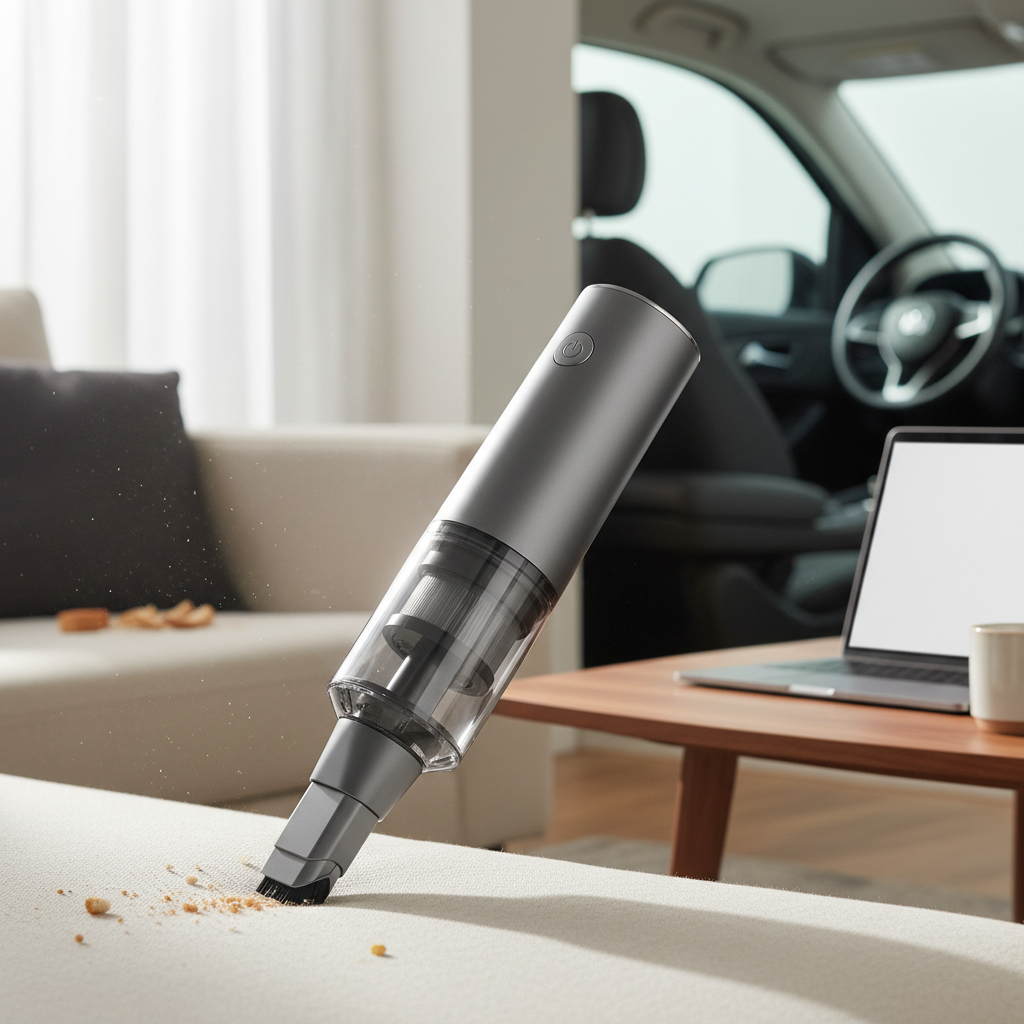
Maintaining a spotless car interior is a point of pride for many, a space that reflects order and care. The allure of an inexpensive car plug-in vacuum, often promising quick fixes for everyday messes, can be strong. After all, who wouldn’t want a budget-friendly solution for crumbs, dirt, and pet hair? However, what appears to be a smart saving upfront often devolves into a frustrating and ultimately wasteful experience. These seemingly convenient gadgets frequently fall short of expectations, leaving you with a less-than-clean car and the need to invest in a better solution sooner than you’d think.

The Versatility of Handheld Car Vacuums
Handheld car vacuums are undeniably convenient tools, designed to tackle the unique cleaning challenges of vehicle interiors. Their compact size and portability make them ideal for reaching into tight crevices, under seats, and around consoles—areas a traditional household vacuum can’t easily access. They are perfect for swift cleanups of accidental spills, tracking in dirt after an outdoor adventure, or managing pet hair shedding. The promise of quick, efficient spot cleaning without the hassle of unwieldy cords or bulky equipment is what draws many car owners to these specialized devices.
The Hidden Downsides of Cheap Car Plug-in Vacuums
While the concept of a car plug-in vacuum is sound, the “cheap” variants often come with a host of critical flaws that undermine their utility and cost-effectiveness. Investing in these low-cost options can lead to dissatisfaction and, ironically, higher long-term expenses.
Anemic Suction Power
|
Our Picks for the Best Handheld vacuum cleaner in 2026
As an Amazon Associate I earn from qualifying purchases.
|
||
| Num | Product | Action |
|---|---|---|
| 1 | KMM Handheld Car Vacuum Cleaner, 9000Pa Vacuum Cleaner and Air Duster, 120W High Power Hand Held Vacuum with LED Light and Multi-Nozzles for Car, Home, Office, Pet |

|
| 2 | Gxzsk Handheld Vacuum Cordless, 15000PA Strong Suction Hand Held Car Vacuum Cleaner Rechargeable, Portable Hand Vacuum with Multi-Nozzles & Washable Filter for Home Office, Car, Pets |
|
| 3 | Handheld Vacuum Cordless, Car Vacuums Powerful with Rechargeable Battery, Portable Hand Held Vacuum Cordless with Washable HEPA Filter, Mini Vacuums Kit for Men and Women |
|
| 4 | Handheld Vacuum Cleaner, 28000Pa Brushless Motor Cordless Car Vacuum Cleaner, 3-Speed Mini Hoovers with Multiple Brush Heads Hand Held Vacuum Cordless for Office, Home, Kitchen, Car, Pet Hair |
|
| 5 | BLACK+DECKER dustbuster Cordless Handheld Vacuum, Portable Vacuum for Car and Home Rechargeable, Powerful Suction, Wide Mouth (HHVI315JO42) |
|
| 6 | BLACK+DECKER dustbuster AdvancedClean Handheld Vacuum Cordless, Compact Home and Car Vacuum with Crevice Tool, Rotating Nozzle and Charging Station, Large Dust Bowl (CHV1410L) |
|
| 7 | Bissell Pet Hair Eraser Cordless Hand Vacuum, Lithium Ion, Home, Auto, and Pet Vacuum, Easy-Empty Dirt Bin, Upholstery Tool, Brush Tool, and Crevice Tool Included, 2390A |
|
| 8 | BLACK+DECKER dustbuster Cordless Handheld Vacuum, Portable Car Vacuum Cordless Rechargeable, Wall Mount, Strong Suction QuickClean (HNVC215B10) |
|
| 9 | CKIKH Handheld Vacuum Cordless, 15000PA Strong Suction Hand Held Car Vacuum Cleaner Portable with Multi-Nozzles & Washable Filter, Lightweight Rechargeable Vacuum Cleaner for Home, Car, Office, Pets |
|
| 10 | MONOZEL Car Vacuum Portable Cordless, 18000Pa 2 in 1 Vacuum Cleaner&Air Duster, 130W Brushless Motor Handheld Vacuum Cordless with 7800mAh Battery, LED Light, Multi-Nozzles for Car, Home, Office, Pet |
|
Perhaps the most significant drawback of inexpensive car plug-in vacuums is their notoriously weak suction power. Many 12V models, designed to draw power from your car’s cigarette lighter, typically produce only 15-25 watts or 3,000-6,000 pascals of suction. This pales in comparison to standard household vacuums that can offer 1500-2500 watts of power. This limited power means they struggle immensely with deeply embedded dirt in carpets, stubborn pet hair clinging to upholstery, or even larger crumbs and debris. You’ll often find yourself making multiple passes over the same area, turning a quick clean-up into a time-consuming and frustrating battle against inadequate equipment.
Limited Reach and Cord Management Headaches
Another common frustration stems from the cord itself. Most cheap car plug-in vacuums come with power cords that are only 10 to 16 feet long. While seemingly sufficient, this length can severely restrict your reach, especially in larger vehicles like SUVs or minivans. You might find yourself constantly unplugging and re-plugging the device or having to reposition your car to access all areas comfortably. Beyond the reach limitations, managing a tangled cord during cleaning can be cumbersome, snagging on seats, gear shifts, or even getting twisted around your legs, disrupting your cleaning flow.
Frequent Emptying and Ineffective Filtration
Compact size is often touted as an advantage, but in cheap models, it typically translates to a tiny dustbin capacity. This means you’ll have to interrupt your cleaning sessions frequently to empty the bin, making the process less efficient and more time-consuming. Moreover, many inexpensive car vacuums come equipped with sub-par filtration systems. Instead of trapping dust and allergens, these flimsy filters can allow fine particles to escape back into the car’s air, defeating the very purpose of vacuuming and potentially aggravating allergies. Some users report that dust simply blows out of the sides, making the vacuum a source of mess rather than a solution.
Flimsy Build Quality and Short Lifespan
The low price point of these vacuums often reflects the quality of their construction materials and internal components. Cheap car plug-in vacuums are frequently made with flimsy plastics and less durable motors. This can lead to various problems, such as attachments that don’t fit securely or break easily, dustbins that are difficult to seal or detach, and overall diminished product longevity. Bargain models may lack essential features like thermal protection, increasing the risk of overheating and further shortening their lifespan. What you save in initial cost, you often lose in rapid wear and tear, forcing you to replace the unit far sooner than expected.
Excessive Noise
While noise levels can vary, many cheap car vacuums are not designed with acoustic comfort in mind. Their less sophisticated motors often produce a louder, more irritating whine compared to higher-quality models. This can make extended cleaning sessions an unpleasant experience, particularly in the enclosed space of a car.
Dependency and Battery Drain Risk
Since these vacuums draw power directly from your car’s 12V cigarette lighter socket, they often require the car’s engine to be running during use. Using them with the engine off, especially higher amperage models, poses a significant risk of draining your car’s battery, leaving you stranded. This dependency limits your cleaning flexibility, preventing spontaneous cleanups when your car isn’t running or when you’re in a location without convenient power access.
“The true cost of a cheap car vacuum isn’t just its price tag, but the countless hours of frustration and the inevitable need to replace it with a truly effective tool.” – ReviewerBil.com Admin, Handheld Vacuum Specialist
Understanding Car Vacuum Types
Car vacuums primarily fall into two categories: corded (which include plug-in 12V models and some that use standard wall outlets via an inverter) and cordless (battery-powered). While this article focuses on the drawbacks of cheap plug-in models, it’s important to note that not all corded vacuums suffer from these issues. Higher-quality corded models, often designed for professional detailing, can offer consistent and powerful suction. However, the convenience factor of cordless vacuums has seen a significant rise, offering freedom of movement for everyday use, albeit with considerations for battery life.
Comparison: Cheap Plug-in vs. Quality Car Vacuum
| Feature | Cheap Car Plug-in Vacuum | Quality Car Vacuum (Corded/Cordless) |
|---|---|---|
| Suction Power | Weak (15-25W), struggles with embedded dirt/pet hair | Strong, effective on all debris types and embedded dirt |
| Power Source | 12V car outlet, requires engine on | Cordless (battery) or 120V wall outlet (via inverter) |
| Cord Length/Reach | Short (10-16 ft), limited maneuverability, tangles | Cordless: Unlimited. Corded: Longer, more flexible. |
| Dustbin Capacity | Small, requires frequent emptying | Ample, allows for longer cleaning sessions |
| Filtration | Poor, often re-circulates dust, clogs easily | Efficient (often HEPA-grade), captures fine particles |
| Durability | Flimsy construction, short lifespan, parts break easily | Robust build, durable motor, designed for longevity |
| Noise Level | Can be loud and irritating | Generally quieter due to better design and motors |
| Attachments | Few, generic, often ineffective | Variety of specialized, effective tools for different surfaces |
| Price Range | Typically under $30 | $50 – $200+ (depending on type and brand) |
How to Choose a Reliable Car Vacuum
To avoid the pitfalls of cheap car plug-in vacuums, consider these factors when selecting a reliable alternative:
- Suction Power: Look for models with higher wattage or air watts (AW) for cordless options, or a strong Pascal (Pa) rating. A vacuum that can effectively pick up embedded dirt and pet hair is crucial.
- Power Source: Decide between the unrestricted runtime of a quality corded vacuum (if you have easy access to a wall outlet or a reliable 12V source) or the superior portability of a cordless model. If going cordless, prioritize battery life and quick charging.
- Filtration System: Opt for models with multi-stage filtration, ideally including a HEPA filter, to ensure that dust and allergens are captured and not recirculated into your car’s air.
- Attachments and Versatility: A good car vacuum should come with a variety of specialized attachments, such as crevice tools, brush nozzles, and upholstery tools, to effectively clean different surfaces and hard-to-reach areas.
- Dustbin Capacity and Ease of Emptying: Choose a model with a decent dustbin size to minimize interruptions. An easy-to-empty design also contributes to a better user experience.
- Brand Reputation and Warranty: Stick to reputable brands known for producing quality cleaning tools. A good warranty provides peace of mind and indicates the manufacturer’s confidence in their product.
Top Car Vacuum Alternatives
Instead of struggling with a cheap car plug-in, consider investing in options that truly deliver. High-quality handheld cordless vacuums, such as those from Dyson, Black+Decker, or Anker (Eufy), offer superior suction, longer battery life, and better filtration. For those who prioritize continuous, maximum power and have access to a 120V outlet, a dedicated shop vac or a powerful corded handheld designed for car detailing can be an excellent choice. Even within the 12V category, some reputable brands offer more robust, albeit slightly more expensive, models that provide better performance than their bargain counterparts. The key is to seek out products that balance power, portability, and durability for effective cleaning.
Tips for Using and Maintaining Your Car Vacuum
Even the best car vacuum requires proper usage and maintenance to ensure optimal performance and longevity.
- Prepare the Area: Before vacuuming, remove larger debris by hand and shake out floor mats to loosen embedded dirt. This makes the vacuum’s job easier.
- Use the Right Attachments: Utilize crevice tools for tight corners, brush attachments for dusting surfaces or agitating carpet fibers, and wider nozzles for larger open areas.
- Don’t Overfill the Dustbin: Empty the dustbin regularly, ideally after each significant cleaning session, to maintain strong suction and prevent motor strain.
- Clean the Filters: Filters are crucial for performance. Refer to your vacuum’s manual for cleaning instructions. Most can be rinsed with water and air-dried, or tapped clean. Replace them periodically as recommended by the manufacturer. Clogged filters are a primary cause of suction loss.
- Check for Blockages: If you notice a sudden drop in suction, check the nozzle, hose, and attachments for any blockages from debris.
- Store Properly: Store your vacuum in a clean, dry place. If it’s a cordless model, ensure the battery is charged according to manufacturer guidelines to prolong its life.
- Avoid Wet Messes (Unless Designed For It): Most car vacuums are designed for dry debris only. Attempting to vacuum liquids with a dry-only model can damage the motor and electrical components.
Conclusion
The temptation to purchase a cheap car plug-in vacuum is understandable, promising convenience at a low cost. However, as this guide demonstrates, the initial savings are often outweighed by anemic suction, limited reach, poor filtration, and a short lifespan. These hidden frustrations lead to ineffective cleaning, wasted time, and the eventual need to replace the unit, making them a false economy. Investing in a reliable, quality car vacuum, whether a powerful cordless model or a robust corded option, will provide a far more satisfying and efficient cleaning experience, ensuring your car remains truly spotless. Don’t settle for frustration; choose a tool that empowers you to achieve the clean car you deserve. What’s your top priority when investing in a car vacuum – raw power, ultimate portability, or long-term durability?
Frequently Asked Questions
Are 12V car vacuums completely useless?
Not entirely, but their utility is severely limited. 12V vacuums are generally suitable only for very light, superficial cleanups like fresh crumbs or surface dust. For any embedded dirt, pet hair, or larger debris, their suction power is insufficient, leading to frustrating and incomplete cleaning results.
What is a good amount of suction power for a car vacuum?
For effective cleaning, look for cordless models with at least 40-50 Air Watts (AW) or corded models with suction power ideally above 8,000-10,000 Pascals (Pa). This range provides enough power to tackle common car messes, including embedded dirt and pet hair, unlike the 3,000-6,000 Pa typically found in cheap 12V options.
How much should I expect to spend on a quality car vacuum?
A reliable car vacuum typically ranges from $50 to $200+, depending on whether you choose a high-performance corded unit or a premium cordless model with advanced features and strong battery life. While this is more than a cheap plug-in, it represents a worthwhile investment in effective and lasting cleaning power.
Can using a plug-in car vacuum drain my car’s battery?
Yes, particularly if your car’s engine is off. Many 12V plug-in vacuums draw directly from your car’s battery, and sustained use without the engine running can significantly drain it, especially for higher-amperage models. It’s generally recommended to keep the engine running while using these devices to prevent battery drain.