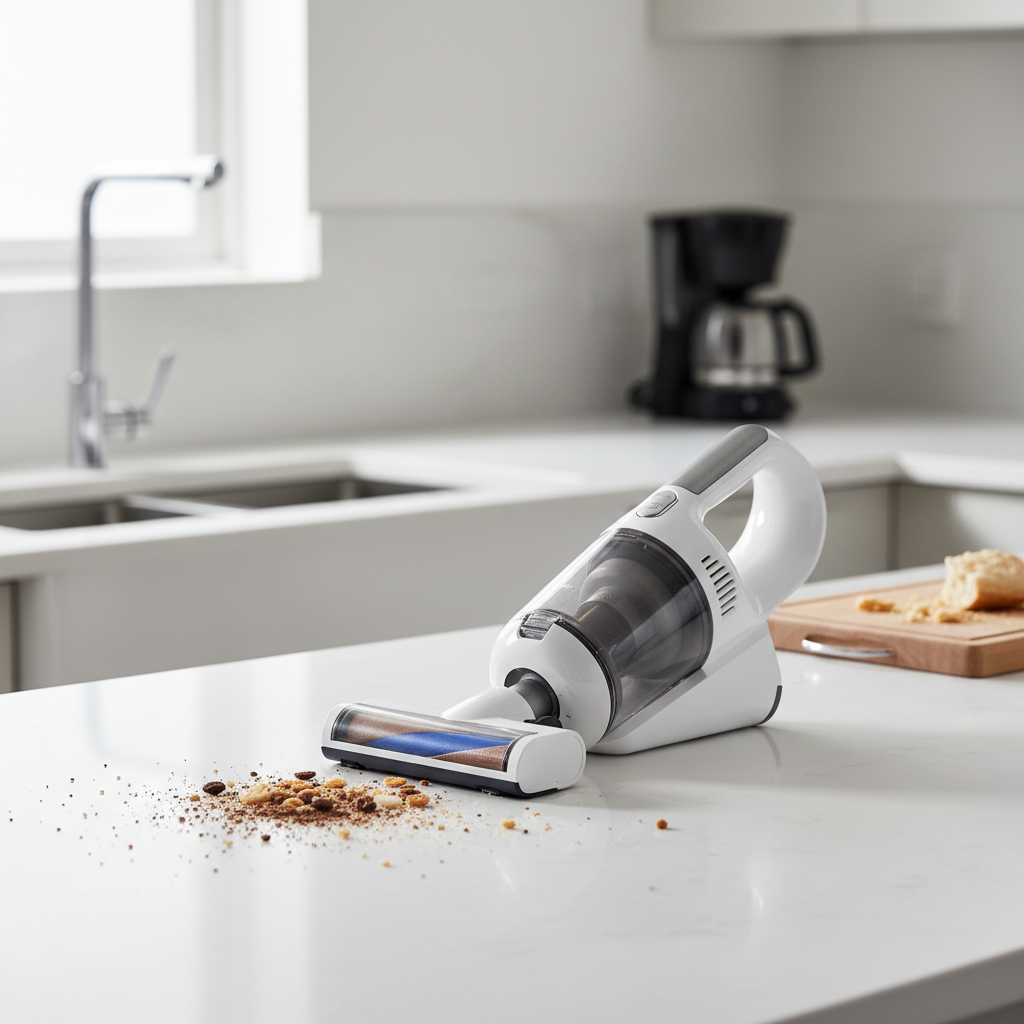
In today’s fast-paced world, maintaining a clean home and breathing fresh air are more important than ever. Handheld vacuum cleaners have become indispensable tools for quick clean-ups, from tackling spilled cereal to tidying up car interiors. At the heart of many of these compact powerhouses lies the HEPA filter, a critical component responsible for trapping microscopic particles and ensuring cleaner exhaust air. However, a neglected HEPA filter can drastically reduce your handheld vacuum’s efficiency and even compromise indoor air quality. This comprehensive guide will walk you through everything you need to know about cleaning and maintaining your handheld vacuum’s HEPA filter, ensuring it continues to perform at its best and keeps your environment pristine.
Understanding Your Handheld Vacuum’s HEPA Filter
A HEPA filter, or High-Efficiency Particulate Air filter, is a specialized mechanical air filter designed to capture at least 99.97% of airborne particles as small as 0.3 micrometers. These minuscule particles include common allergens like dust mites, pollen, pet dander, and even mold spores. For a handheld vacuum cleaner, the HEPA filter acts as the “lungs,” preventing these fine particles from being recirculated back into your home as the vacuum operates. Its presence is particularly beneficial for allergy sufferers and those looking to significantly improve indoor air quality.
The most crucial distinction to make before attempting to clean your filter is whether it is washable or non-washable. Not all HEPA filters are designed to withstand water, and applying liquid to a non-washable filter can permanently destroy its delicate fiber structure, rendering it ineffective. Always consult your handheld vacuum’s user manual or check the filter itself for specific cleaning instructions and labels. This vital step ensures you use the correct cleaning method, protecting both your filter and your investment.
When to Clean Your Handheld Vacuum’s HEPA Filter
The optimal frequency for cleaning your handheld vacuum’s HEPA filter largely depends on how often you use the device and the dustiness of your environment. For instance, if you use your handheld vacuum daily, particularly in homes with pets or high allergen levels, a weekly cleaning is often recommended. If your usage is more moderate, say a few times a week, a monthly filter cleaning should suffice. For those who use their handheld vacuum less frequently, cleaning the HEPA filter every three to six months might be adequate.
Beyond a fixed schedule, your handheld vacuum cleaner will provide clear signs when its HEPA filter needs attention. A noticeable decrease in suction power is a primary indicator, as a clogged filter restricts airflow and forces the motor to work harder. You might also observe visible dirt and debris accumulation on the filter surface, or perhaps even an unpleasant odor emanating from the vacuum. Addressing these signals promptly will help maintain your vacuum’s performance and prevent undue strain on its motor.
Step-by-Step Guide: Cleaning Washable HEPA Filters
If your handheld vacuum cleaner is equipped with a washable HEPA filter, regular cleaning is a straightforward process that can significantly extend its lifespan and maintain optimal performance.
Gather Your Supplies
Before you begin, ensure you have a few basic items:
- A soft brush (like an old toothbrush or paintbrush)
- Access to a sink with cold or lukewarm water
- A clean, well-ventilated area for drying
|
Our Picks for the Best Handheld vacuum cleaner in 2026
As an Amazon Associate I earn from qualifying purchases.
|
||
| Num | Product | Action |
|---|---|---|
| 1 | BLACK+DECKER dustbuster Cordless Handheld Vacuum, Portable Vacuum for Car and Home Rechargeable, Powerful Suction, Wide Mouth (HHVI315JO42) |

|
| 2 | BLACK+DECKER dustbuster Cordless Handheld Vacuum, Portable Car Vacuum Cordless Rechargeable, Wall Mount, Strong Suction QuickClean (HNVC215B10) |
|
| 3 | Gxzsk Handheld Vacuum Cordless, 15000PA Strong Suction Hand Held Car Vacuum Cleaner Rechargeable, Portable Hand Vacuum with Multi-Nozzles & Washable Filter for Home Office, Car, Pets |
|
| 4 | Handheld Vacuum Cleaner, 28000Pa Brushless Motor Cordless Car Vacuum Cleaner, 3-Speed Mini Hoovers with Multiple Brush Heads Hand Held Vacuum Cordless for Office, Home, Kitchen, Car, Pet Hair |
|
| 5 | Bissell Pet Hair Eraser Cordless Hand Vacuum, Lithium Ion, Home, Auto, and Pet Vacuum, Easy-Empty Dirt Bin, Upholstery Tool, Brush Tool, and Crevice Tool Included, 2390A |
|
| 6 | BLACK+DECKER dustbuster AdvancedClean Handheld Vacuum Cordless, Compact Home and Car Vacuum with Crevice Tool, Rotating Nozzle and Charging Station, Large Dust Bowl (CHV1410L) |
|
| 7 | CKIKH Handheld Vacuum Cordless, 15000PA Strong Suction Hand Held Car Vacuum Cleaner Portable with Multi-Nozzles & Washable Filter, Lightweight Rechargeable Vacuum Cleaner for Home, Car, Office, Pets |
|
| 8 | KMM Handheld Car Vacuum Cleaner, 9000Pa Vacuum Cleaner and Air Duster, 120W High Power Hand Held Vacuum with LED Light and Multi-Nozzles for Car, Home, Office, Pet |
|
| 9 | Handheld Vacuum Cordless, Car Vacuums Powerful with Rechargeable Battery, Portable Hand Held Vacuum Cordless with Washable HEPA Filter, Mini Vacuums Kit for Men and Women |
|
| 10 | MONOZEL Car Vacuum Portable Cordless, 18000Pa 2 in 1 Vacuum Cleaner&Air Duster, 130W Brushless Motor Handheld Vacuum Cordless with 7800mAh Battery, LED Light, Multi-Nozzles for Car, Home, Office, Pet |
|
Safety First
Always start by ensuring your handheld vacuum is turned off and unplugged from any power source. This prevents accidental activation and ensures your safety during the cleaning process.
Remove the Filter
Carefully locate and remove the HEPA filter from its compartment within your handheld vacuum. Refer to your user manual if you’re unsure about the exact removal procedure for your specific model. Many handheld vacuum cleaners are designed for easy filter access.
Pre-Cleaning (Dry Removal of Debris)
Before introducing water, take the filter outdoors, if possible, to prevent re-releasing dust into your home. Gently tap the filter against the inside of a trash can or a hard surface to dislodge any loose dust, dirt, and larger debris. You can also use a soft brush to carefully brush away accumulated particles from the pleats without damaging the filter material.
Rinsing (Water Cleaning)
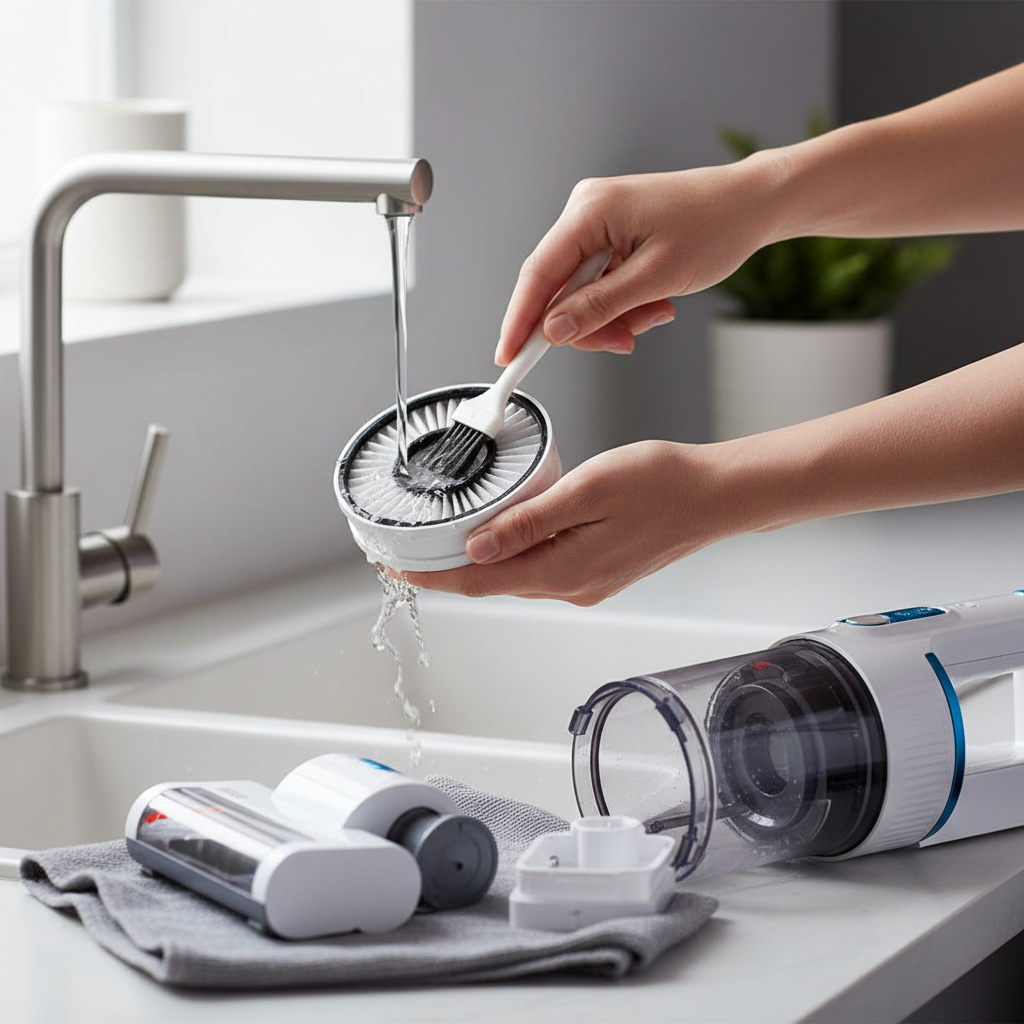
Under a gentle stream of cold or lukewarm water, rinse the washable HEPA filter. Allow the water to run through the filter until it appears clear. Crucially, avoid using any detergents, soaps, or hot water, as these can damage the delicate fibers and coatings that give HEPA filters their effectiveness. Do not scrub the filter vigorously or twist it, which could distort its structure.
Thorough Drying
This step is paramount. After rinsing, gently shake off any excess water. Then, place the filter in a clean, well-ventilated area to air dry completely. This process typically takes at least 24 hours, and sometimes even longer, depending on humidity levels. Never use heat sources like a hairdryer, clothes dryer, or direct sunlight to speed up drying, as intense heat can warp the filter material and compromise its filtration capabilities. Reinstalling a damp filter can lead to mold growth and potentially damage your vacuum’s motor.
Reinstallation
Once you are absolutely certain the HEPA filter is bone dry, carefully reinsert it into its compartment in your handheld vacuum cleaner, following the manufacturer’s instructions. Ensure it is securely fitted before using the vacuum.
“The most common mistake people make with washable HEPA filters is not letting them dry completely. A damp filter isn’t just less effective; it’s a breeding ground for mold and can severely damage your vacuum’s motor over time.” – Dr. Emily R. Chen, Environmental Health Specialist
Caring for Non-Washable HEPA Filters
For handheld vacuums equipped with non-washable HEPA filters, water is the enemy. These filters are typically made of materials like paper or specific synthetic fibers that are not designed to get wet. Exposing them to water will ruin their filtration efficiency.
Instead, maintenance for non-washable HEPA filters focuses on dry cleaning methods:
- Tapping: Similar to washable filters, gently tap the non-washable filter against a hard surface (preferably outdoors) to knock loose accumulated dust and debris.
- Soft Brushing: Use a soft-bristled brush, such as a clean paintbrush or an old toothbrush, to carefully brush away dirt from the filter’s surface and pleats. Be gentle to avoid tearing the filter material.
- Vacuuming: A highly effective method is to use a separate vacuum cleaner (with a brush attachment) to gently vacuum the dust off the non-washable HEPA filter. This allows you to remove embedded particles without damaging the filter itself.
- Compressed Air: Some sources suggest using low-pressure compressed air, always blowing from the clean side of the filter towards the dirty side, to dislodge stubborn particles. Exercise caution and maintain a safe distance to avoid damaging the filter. [cite: 4 (from
drying HEPA filter after washing)]
Remember, the goal is to remove as much particulate matter as possible without compromising the filter’s integrity. These filters cannot be restored to their original “new” condition through cleaning, but proper dry maintenance will maximize their lifespan.
Common Mistakes to Avoid When Cleaning HEPA Filters
Maintaining your handheld vacuum’s HEPA filter is essential, but it’s equally important to avoid common pitfalls that can diminish its effectiveness or even destroy it.
- Using Hot Water or Detergents: For washable filters, hot water can degrade filter materials, and detergents can leave residues that clog the microscopic pores, reducing filtration efficiency. Stick to cold or lukewarm water.
- Scrubbing Aggressively: Whether washable or non-washable, aggressive scrubbing with brushes or other tools can tear the delicate fibers of the HEPA filter, creating pathways for particles to escape. Gentle handling is key.
- Reinstalling a Damp Filter: This is a major no-no. A damp filter creates a perfect environment for mold and mildew to grow, leading to unpleasant odors and potentially blowing mold spores back into your home. It can also cause severe damage to your vacuum’s motor.
- Using Heat to Dry: Resist the urge to use a hairdryer, oven, or direct sunlight to speed up the drying process. High heat can warp the filter frame and destroy the fine fibers, permanently compromising the filter’s ability to trap particles.
- Not Checking the Manual: Different handheld vacuum models and brands may have specific instructions for their HEPA filters. Always consult your product manual first to confirm if your filter is washable and for any particular cleaning guidelines.
Avoiding these mistakes will ensure your HEPA filter remains an effective barrier against airborne pollutants.
Extending Your HEPA Filter’s Lifespan and Knowing When to Replace It
Regular and correct cleaning is the best way to extend the life of your handheld vacuum’s HEPA filter. A well-maintained filter not only ensures consistent, powerful suction but also continues to trap allergens and fine dust effectively, contributing to healthier indoor air. However, even with diligent care, HEPA filters have a finite lifespan and will eventually need to be replaced.
The replacement frequency varies by filter type and usage:
- Washable HEPA Filters: Typically last between 1 to 2 years, though some manufacturers suggest 2-3 years.
- Permanent (Reusable, Dry-Clean Only) HEPA Filters: With proper dry maintenance, these can last 2 to 5 years.
- Non-Washable/Disposable HEPA Filters: Generally require replacement every 6 to 12 months. In homes with heavy usage, pets, or high allergen levels, this might be as frequent as every 2-3 months.
You’ll know it’s time for a replacement if:
- Suction power does not improve significantly after a thorough cleaning.
- There are visible tears or damage to the filter material.
- A persistent, unpleasant odor remains even after cleaning, indicating potential bacterial or mold growth that cannot be removed.
- The filter appears permanently discolored or excessively clogged, preventing effective airflow.
Investing in timely filter replacements is crucial for maintaining your handheld vacuum’s efficiency and protecting your home’s air quality.
Conclusion
A well-maintained HEPA filter is the silent hero of your handheld vacuum cleaner, tirelessly working to capture microscopic particles and ensure the air you breathe is cleaner. Understanding whether your filter is washable or non-washable, adhering to regular cleaning schedules, and mastering the proper drying techniques are key to maximizing your handheld vacuum’s performance and prolonging its life. By avoiding common cleaning mistakes and knowing when it’s time for a replacement, you can ensure your compact cleaning companion remains an effective tool in creating a healthier, dust-free home environment. Prioritizing this small but mighty component helps you tackle everyday messes with confidence and breathe a little easier. How often do you check your handheld vacuum’s HEPA filter?
Frequently Asked Questions
Can I use soap or detergents on my HEPA filter?
No, it is strongly advised not to use soap or detergents on your HEPA filter, even if it is washable. These cleaning agents can leave residues that clog the filter’s microscopic pores, thereby reducing its effectiveness and damaging the delicate filter fibers. Stick to cold or lukewarm plain water for washable filters.
How long does a HEPA filter take to dry completely?
A washable HEPA filter needs to air dry completely for at least 24 hours, and sometimes longer, depending on environmental humidity. It is crucial to ensure it is bone dry before reinstallation to prevent mold growth and potential damage to your vacuum’s motor.
What happens if I don’t clean my HEPA filter?
Neglecting to clean your HEPA filter will lead to a significant reduction in your handheld vacuum’s suction power, forcing the motor to work harder and potentially leading to overheating and premature failure. It also allows dust and allergens to be recirculated into your home, diminishing indoor air quality.
How often should I replace my handheld vacuum’s HEPA filter?
Replacement frequency depends on the filter type (washable, permanent, disposable) and usage, but generally ranges from every 6-12 months for disposable filters, 1-2 years for washable ones, and 2-5 years for permanent filters. Always check your vacuum’s manual for specific recommendations.
Can I use a hair dryer or other heat source to speed up drying?
No, never use a hair dryer, oven, or any other heat source to dry your HEPA filter. High temperatures can damage the filter’s delicate fibers and frame, permanently compromising its filtration efficiency and potentially rendering it useless. Always allow it to air dry naturally.