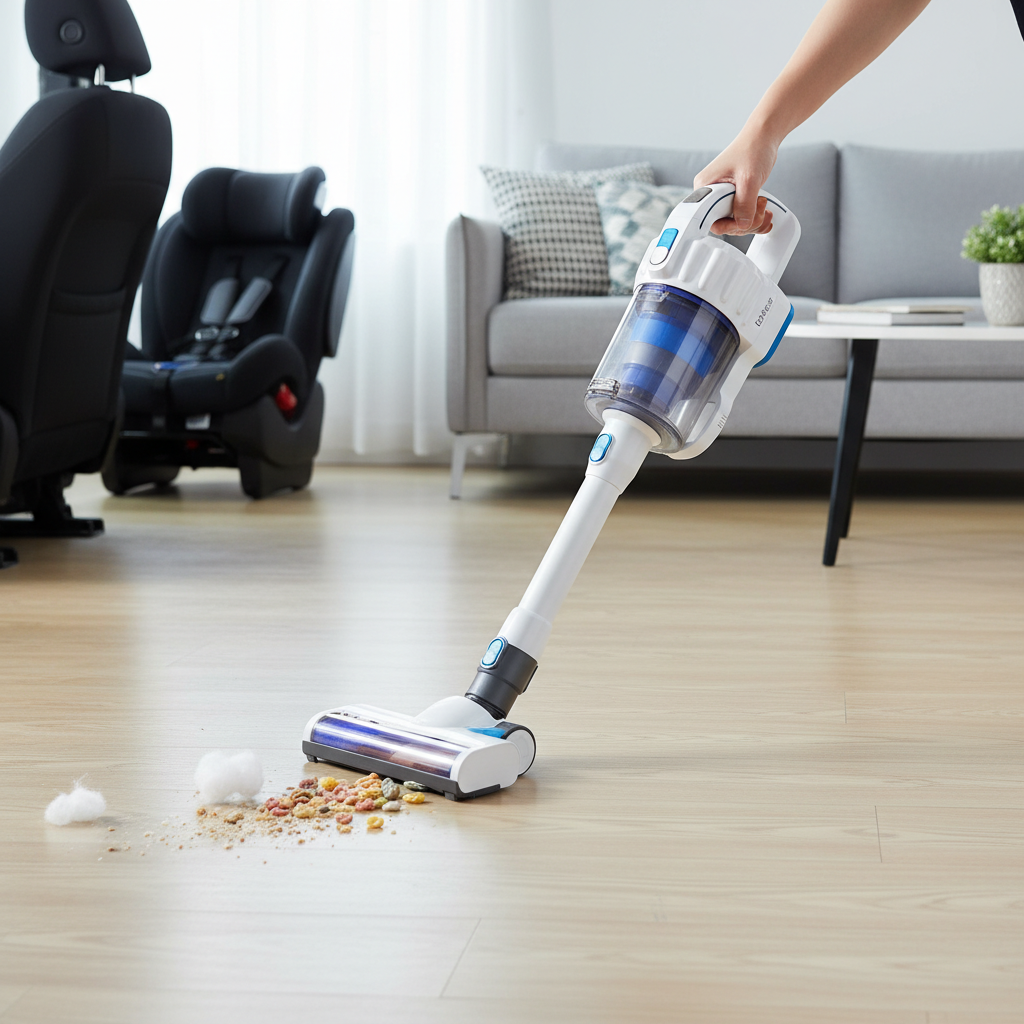
Is your vacuum cleaner struggling to pick up debris, leaving behind frustrating trails of dust and pet fur? Chances are, the culprit is a tangled brush roll. Over time, human hair, pet fur, and various fibers can tightly wrap around this crucial component, diminishing your vacuum’s performance and putting a strain on its motor. But don’t despair – restoring your vacuum to its former glory is a straightforward DIY task that requires just a few common tools and a bit of patience.
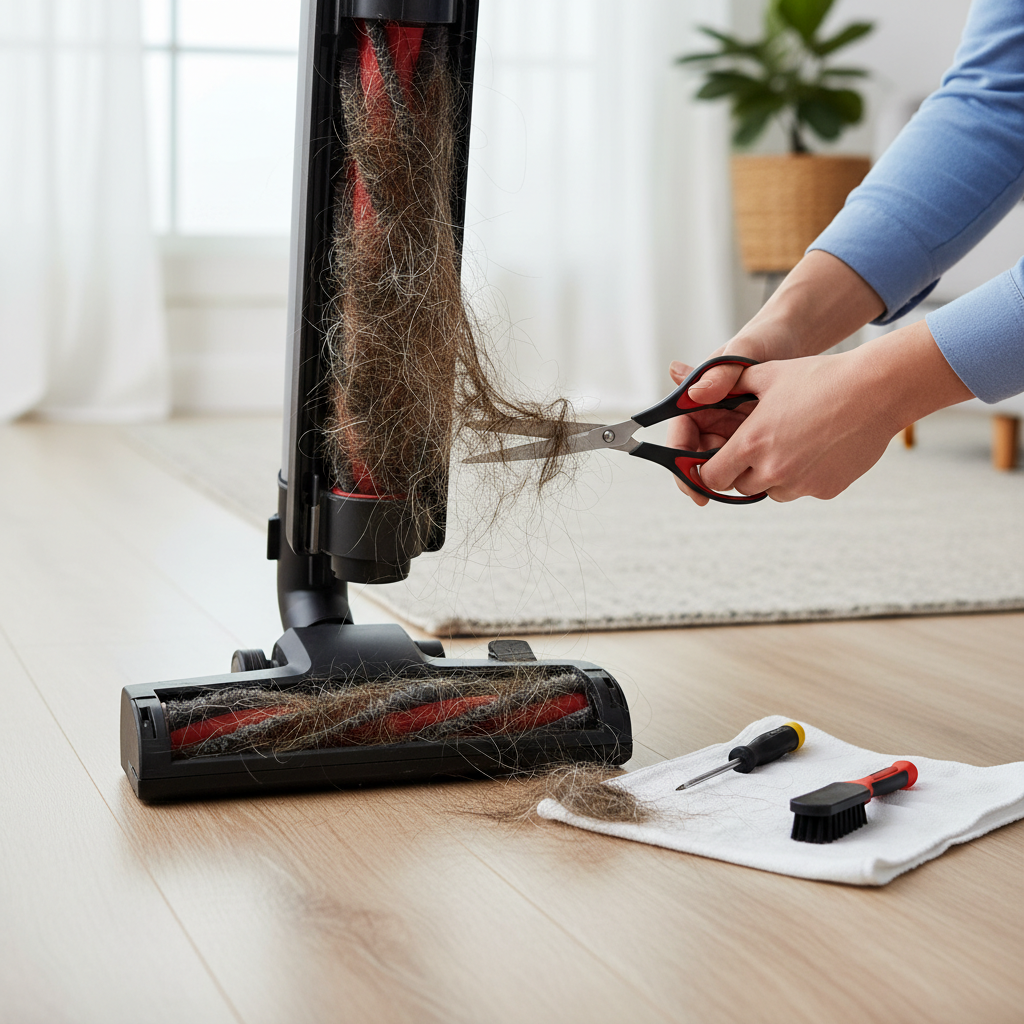
This comprehensive guide will walk you through the process of safely and efficiently removing stubborn hair from your vacuum’s brush roll, highlight essential maintenance tips, and even offer advice on preventing future tangles. Let’s dive in and give your vacuum the “haircut” it desperately needs.
The Persistent Problem: Why Hair Gets Tangled in Your Vacuum’s Brush Roll
The brush roll, often called a beater bar, is a rotating cylinder equipped with bristles designed to agitate carpet fibers and sweep debris into the vacuum’s suction path. It’s an indispensable part of your vacuum’s cleaning arsenal, especially for carpets and pet hair. However, its very design makes it prone to tangles.
Long strands of human hair and pet fur are particularly notorious. As the brush roll spins, it grabs these fibers, which then twist and coil tightly around the bristles and axle. This buildup isn’t just unsightly; it creates dense mats that can significantly reduce cleaning efficiency. A heavily tangled brush roll struggles to rotate freely, leading to decreased suction, poor pickup, and even potential damage to the vacuum’s motor or drive belt. Ignoring this issue can shorten your vacuum’s lifespan and make cleaning a much more arduous task.
Essential Tools for Hair Removal from Brush Rolls
Before you begin, gather the following tools to ensure a smooth and safe cleaning process:
- Sharp Scissors: Small, sharp scissors (like sewing or craft scissors) are ideal for cutting through hair clumps.
- Seam Ripper or Utility Knife: These tools are incredibly effective for carefully slicing through tightly wound hair without damaging bristles or the brush roll itself. A utility knife should be used with extreme caution.
- Screwdriver (Phillips-head or Flat-head): Many vacuum models require removing screws to access the brush roll compartment.
- Gloves: To protect your hands from dust, grime, and any sharp edges.
- Tweezers or Pliers: Useful for gripping and pulling out smaller, stubborn hair strands, especially from end caps.
- Cleaning Comb or Brush: A stiff brush can help dislodge remaining dust and debris after the main hair removal.
- Newspaper or Old Towel: To cover your workspace and catch fallen hair and dirt, making cleanup easier.
Always prioritize safety. Ensure your vacuum is unplugged from the power outlet before you begin any maintenance. This prevents accidental activation and potential injury.
Step-by-Step DIY Guide to Cleaning Your Vacuum’s Brush Roll
Follow these steps for a thorough and effective brush roll cleaning:
Step 1: Safety First – Unplug Your Vacuum
|
Our Picks for the Best Handheld vacuum cleaner in 2026
As an Amazon Associate I earn from qualifying purchases.
|
||
| Num | Product | Action |
|---|---|---|
| 1 | KMM Handheld Car Vacuum Cleaner, 9000Pa Vacuum Cleaner and Air Duster, 120W High Power Hand Held Vacuum with LED Light and Multi-Nozzles for Car, Home, Office, Pet |

|
| 2 | Handheld Vacuum Cordless, Car Vacuums Powerful with Rechargeable Battery, Portable Hand Held Vacuum Cordless with Washable HEPA Filter, Mini Vacuums Kit for Men and Women |
|
| 3 | BLACK+DECKER dustbuster Cordless Handheld Vacuum, Portable Vacuum for Car and Home Rechargeable, Powerful Suction, Wide Mouth (HHVI315JO42) |
|
| 4 | Gxzsk Handheld Vacuum Cordless, 15000PA Strong Suction Hand Held Car Vacuum Cleaner Rechargeable, Portable Hand Vacuum with Multi-Nozzles & Washable Filter for Home Office, Car, Pets |
|
| 5 | BLACK+DECKER dustbuster AdvancedClean Handheld Vacuum Cordless, Compact Home and Car Vacuum with Crevice Tool, Rotating Nozzle and Charging Station, Large Dust Bowl (CHV1410L) |
|
| 6 | Bissell Pet Hair Eraser Cordless Hand Vacuum, Lithium Ion, Home, Auto, and Pet Vacuum, Easy-Empty Dirt Bin, Upholstery Tool, Brush Tool, and Crevice Tool Included, 2390A |
|
| 7 | CKIKH Handheld Vacuum Cordless, 15000PA Strong Suction Hand Held Car Vacuum Cleaner Portable with Multi-Nozzles & Washable Filter, Lightweight Rechargeable Vacuum Cleaner for Home, Car, Office, Pets |
|
| 8 | BLACK+DECKER dustbuster Cordless Handheld Vacuum, Portable Car Vacuum Cordless Rechargeable, Wall Mount, Strong Suction QuickClean (HNVC215B10) |
|
| 9 | Handheld Vacuum Cleaner, 28000Pa Brushless Motor Cordless Car Vacuum Cleaner, 3-Speed Mini Hoovers with Multiple Brush Heads Hand Held Vacuum Cordless for Office, Home, Kitchen, Car, Pet Hair |
|
| 10 | MONOZEL Car Vacuum Portable Cordless, 18000Pa 2 in 1 Vacuum Cleaner&Air Duster, 130W Brushless Motor Handheld Vacuum Cordless with 7800mAh Battery, LED Light, Multi-Nozzles for Car, Home, Office, Pet |
|
This is the most critical step. Locate your vacuum’s power cord and unplug it from the wall outlet. Never attempt to clean or service your vacuum while it’s still connected to power.
Step 2: Access the Brush Roll
- Lay the Vacuum Down: Gently recline your vacuum cleaner so its underside (where the brush roll is located) is easily accessible.
- Remove the Bottom Plate: Many vacuum cleaners have a bottom plate that covers the brush roll. Use your screwdriver to unfasten any screws holding this plate in place. Keep the screws in a small container to avoid losing them.
- Release the Brush Roll: Once the bottom plate is removed, you should be able to see the brush roll. Some models allow you to simply “pop” the brush roll out, while others might have a belt connecting it to the motor that needs to be carefully detached. Note the orientation of the brush roll and belt so you can reassemble it correctly later.
Step 3: Cut and Remove Tangled Hair
- Initial Hair Removal: Start by pulling off any loose hair you can easily grab with your gloved hands.
- Slice Through Tangles: For tightly wrapped hair, this is where your scissors or seam ripper come in handy.
- Scissors: Carefully slide one blade of your sharp scissors underneath the hair and cut along the length of the brush roll. Cut the hair in several sections to make it easier to remove. Avoid cutting into the bristles or the brush roll itself.
- Seam Ripper/Utility Knife: A seam ripper is excellent for running along any grooves or ridges on the brush roll, precisely slicing through the hair. If using a utility knife, apply minimal pressure and always cut away from yourself.
- Pull Away Hair: After cutting, the hair should be much looser and easier to remove. Use your fingers, tweezers, or a cleaning comb to pull the cut hair away from the brush roll. Pay close attention to the ends of the brush roll, as hair often wraps around the bearings or end caps.
Step 4: Clean End Caps and Surrounding Areas
Hair doesn’t just stick to the brush roll itself; it can also accumulate around the end caps, bearings, and the housing where the brush roll sits.
- End Caps: If your vacuum allows, pop off the end caps of the brush roll. You might find hidden rings of hair wrapped around the axle or ball bearings. Use tweezers or the tip of a seam ripper to carefully extract these strands.
- Surrounding Chamber: Wipe away any dust, lint, or remaining hair from the vacuum’s brush roll chamber using a dry cloth or a soft brush. This prevents residual debris from quickly re-tangling the brush roll.
Step 5: Reassemble and Test
- Reinstall the Brush Roll: Carefully place the brush roll back into its slots, ensuring it’s properly seated and any belt is reattached correctly. Refer to your vacuum’s manual if you’re unsure about the exact reassembly process for your specific model.
- Reattach the Bottom Plate: Securely fasten the bottom plate using the screws you set aside earlier.
- Test: Plug your vacuum back in and briefly run it. The brush roll should spin freely and smoothly, indicating a successful cleaning. You should notice an immediate improvement in suction and overall cleaning performance.
“A vacuum cleaner’s brush roll is its heart, especially for picking up embedded dirt and hair. Neglecting it is like driving a car with flat tires – it’ll move, but not effectively. Regular hair removal is key to maintaining peak performance and extending your vacuum’s life.” – Expert Technician, ReviewerBil.com
Preventing Future Hair Buildup: Maintenance Tips
While cleaning is essential, prevention is always better. Here are some tips to minimize hair tangles:
- Regular Inspection: Make it a habit to check your brush roll every few uses, especially if you have long-haired individuals or pets in your home. A quick check can prevent major buildups.
- Pre-Vacuuming Larger Debris: Before vacuuming, quickly pick up any large clumps of hair or threads from the floor. This reduces the amount of material that can get wrapped around the brush roll.
- Specialized Attachments: Use your vacuum’s hose and upholstery tools for areas with high hair concentration, like pet beds or sofas, before using the main floor head.
- Consider Anti-Tangle Technology: Many newer vacuum models come with “tangle-free” or “self-cleaning” brush rolls designed to automatically cut and remove hair during operation. While not entirely foolproof, they can significantly reduce maintenance frequency.
- Brush Roll Type: If you’re in the market for a new vacuum, consider models with soft roller brush heads, which are often less prone to hair tangles compared to traditional bristled brush rolls, particularly on hard floors.
When to Call a Professional or Replace the Brush Roll
While most hair removal is a DIY job, there are instances when professional help or a replacement might be necessary:
- Irreversible Damage: If, during cleaning, you notice broken bristles, a bent brush roll, or cracks in the plastic components, the brush roll may be beyond repair. Continued use could damage your vacuum further.
- Persistent Issues: If your brush roll still doesn’t spin freely after a thorough cleaning, or if you hear unusual noises (grinding, squealing), there might be deeper mechanical issues with the bearings, motor, or belt.
- Cost-Effectiveness: For older or less expensive vacuum models, the cost of a professional repair or a new brush roll might approach the price of a brand new vacuum. Assess whether a replacement is more economical.
A functional brush roll is crucial for efficient vacuuming. Don’t hesitate to seek expert advice if you’re unsure.
Conclusion
A vacuum cleaner with a hair-free brush roll isn’t just a dream; it’s a reality that’s easily achieved with a bit of proactive maintenance. By regularly removing tangled hair, you ensure your vacuum operates at peak efficiency, prolong its lifespan, and keep your home consistently cleaner. This simple DIY task saves you money on repairs and replacements while dramatically improving your cleaning experience. So, grab your scissors and screwdriver – your vacuum, and your floors, will thank you!
What other vacuum maintenance tasks do you tackle yourself to keep your home spotless?
Frequently Asked Questions
Why is my vacuum not picking up hair effectively anymore?
A common reason for reduced hair pickup is a brush roll clogged with tangled hair. This prevents the bristles from agitating carpets and sweeping debris efficiently, leading to poor performance and leaving hair behind. Cleaning the brush roll often resolves this issue.
How often should I clean my vacuum cleaner’s brush roll?
The frequency depends on your household. If you have long-haired individuals or pets, checking and cleaning the brush roll every 2-4 weeks is advisable. For less hair, once every 1-3 months might suffice to maintain optimal performance.
Can a tangled brush roll damage my vacuum?
Yes, a severely tangled brush roll can put significant strain on your vacuum’s motor, leading to overheating and premature failure. It can also wear out the drive belt faster, potentially requiring costly repairs. Regular cleaning prevents these issues.
What are the best tools to remove hair from a vacuum brush roll?
Sharp scissors, a seam ripper, or a utility knife are highly effective for cutting through tangled hair. Additionally, a screwdriver for disassembling parts, gloves for protection, and tweezers for small strands are useful tools for a thorough cleaning.
How can I prevent hair from getting stuck in my vacuum brush roll?
To prevent future tangles, consider pre-vacuuming large hair clumps, regularly checking and cleaning the brush roll, and using specialized attachments for pet hair. Some modern vacuums also feature anti-tangle technology to minimize buildup.