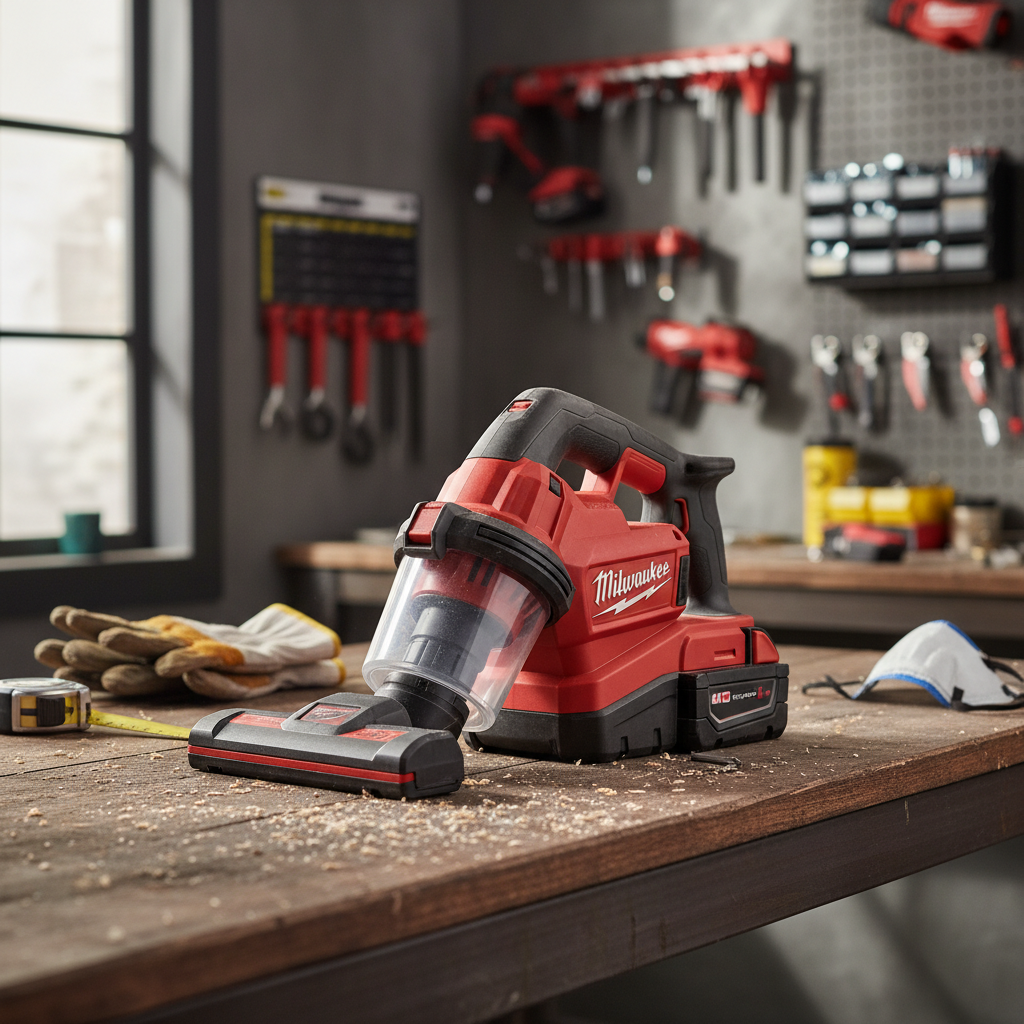
There’s nothing quite as frustrating as reaching for your trusty handheld vacuum cleaner, ready to tackle a quick mess, only to find it’s lost its powerful suction. That once-mighty roar has become a faint wheeze, and the crumbs remain stubbornly in place. A handheld vacuum cleaner is an indispensable tool for quick clean-ups, from spilled cereal to pet hair on upholstery, but its effectiveness hinges entirely on strong suction. When that power wanes, it can feel like a major setback, rendering your convenient helper practically useless.
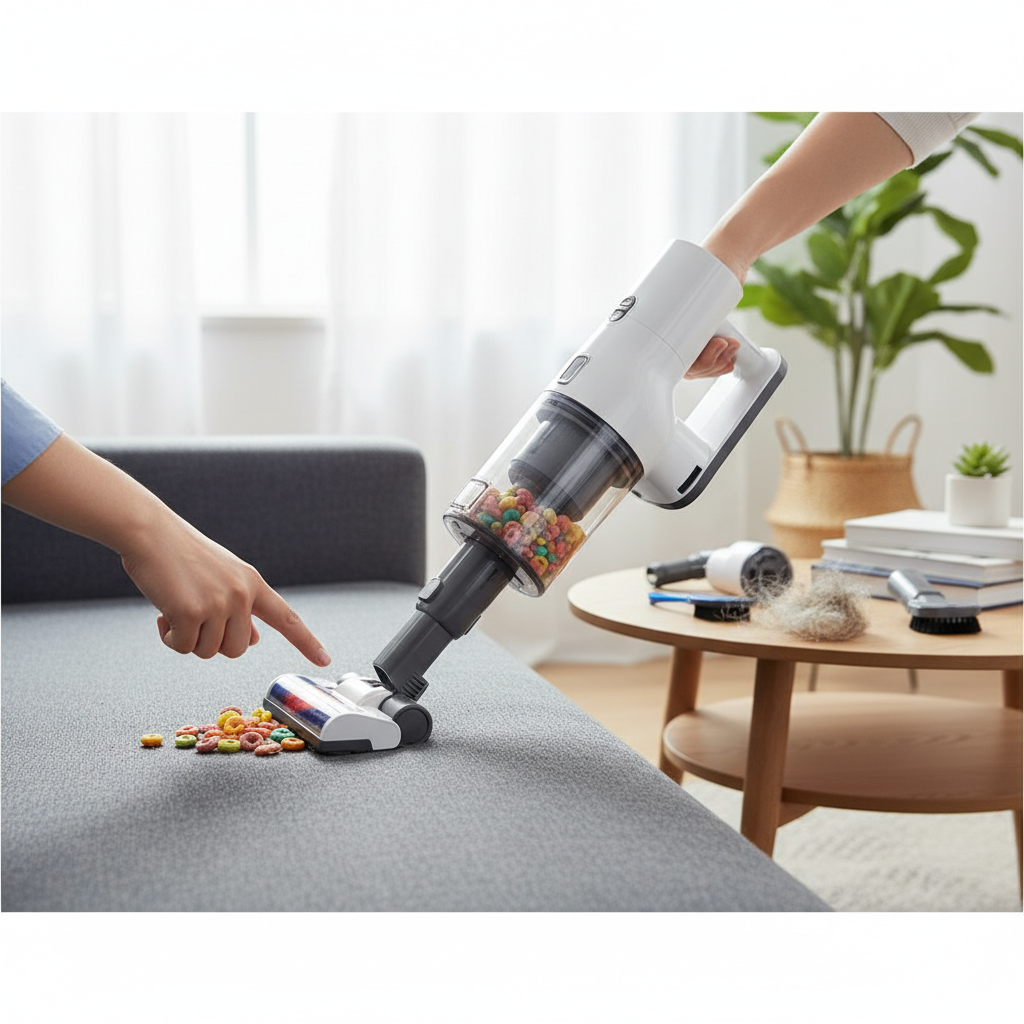
But don’t despair! Most instances of a handheld vacuum cleaner losing suction aren’t signs of a broken machine, but rather common, easily fixable issues. Often, a simple inspection and a few minutes of maintenance are all it takes to restore your device to its peak performance. This comprehensive guide will walk you through the most frequent culprits behind diminished suction and provide actionable steps to diagnose and fix them, ensuring your handheld vacuum is ready for any challenge.
The Unseen Culprits: Why Handheld Vacuums Lose Their Grip
A handheld vacuum cleaner relies on creating a strong vacuum seal and airflow to effectively pick up dirt and debris. When this delicate balance is disrupted, suction power plummets. Several factors can contribute to this loss, ranging from simple oversight to components needing a good clean or even replacement. Understanding these underlying causes is the first step toward bringing your vacuum’s performance back to life. It’s often not a singular issue, but a combination of small problems that accumulate over time, hindering your device’s ability to clean efficiently.
First Line of Defense: Checking the Dustbin and Filters
|
Our Picks for the Best Handheld vacuum cleaner in 2026
As an Amazon Associate I earn from qualifying purchases.
|
||
| Num | Product | Action |
|---|---|---|
| 1 | BLACK+DECKER dustbuster AdvancedClean Handheld Vacuum Cordless, Compact Home and Car Vacuum with Crevice Tool, Rotating Nozzle and Charging Station, Large Dust Bowl (CHV1410L) |

|
| 2 | BLACK+DECKER dustbuster Cordless Handheld Vacuum, Portable Car Vacuum Cordless Rechargeable, Wall Mount, Strong Suction QuickClean (HNVC215B10) |
|
| 3 | Bissell Pet Hair Eraser Cordless Hand Vacuum, Lithium Ion, Home, Auto, and Pet Vacuum, Easy-Empty Dirt Bin, Upholstery Tool, Brush Tool, and Crevice Tool Included, 2390A |
|
| 4 | CKIKH Handheld Vacuum Cordless, 15000PA Strong Suction Hand Held Car Vacuum Cleaner Portable with Multi-Nozzles & Washable Filter, Lightweight Rechargeable Vacuum Cleaner for Home, Car, Office, Pets |
|
| 5 | Gxzsk Handheld Vacuum Cordless, 15000PA Strong Suction Hand Held Car Vacuum Cleaner Rechargeable, Portable Hand Vacuum with Multi-Nozzles & Washable Filter for Home Office, Car, Pets |
|
| 6 | KMM Handheld Car Vacuum Cleaner, 9000Pa Vacuum Cleaner and Air Duster, 120W High Power Hand Held Vacuum with LED Light and Multi-Nozzles for Car, Home, Office, Pet |
|
| 7 | Handheld Vacuum Cordless, Car Vacuums Powerful with Rechargeable Battery, Portable Hand Held Vacuum Cordless with Washable HEPA Filter, Mini Vacuums Kit for Men and Women |
|
| 8 | Handheld Vacuum Cleaner, 28000Pa Brushless Motor Cordless Car Vacuum Cleaner, 3-Speed Mini Hoovers with Multiple Brush Heads Hand Held Vacuum Cordless for Office, Home, Kitchen, Car, Pet Hair |
|
| 9 | BLACK+DECKER dustbuster Cordless Handheld Vacuum, Portable Vacuum for Car and Home Rechargeable, Powerful Suction, Wide Mouth (HHVI315JO42) |
|
| 10 | MONOZEL Car Vacuum Portable Cordless, 18000Pa 2 in 1 Vacuum Cleaner&Air Duster, 130W Brushless Motor Handheld Vacuum Cordless with 7800mAh Battery, LED Light, Multi-Nozzles for Car, Home, Office, Pet |
|
Often, the simplest solutions are the most overlooked. Before diving into complex troubleshooting, always start with the basics.
A Full Dustbin: The Obvious Airflow Blocker
Is your handheld vacuum cleaner’s dustbin overflowing? A full dustbin is perhaps the most common reason for a sudden drop in suction power. As dirt and debris accumulate, they block the internal airways, preventing air from flowing freely through the vacuum. This restriction means the motor has to work harder with less effect, significantly reducing its ability to pick up new messes.
To fix this:
- Empty the Dustbin: Detach the dustbin according to your vacuum’s manual.
- Dispose of Contents: Empty all accumulated dirt, dust, and debris into a trash can.
- Wipe Clean: Use a damp cloth to wipe the inside of the dustbin, removing any fine dust residue that might cling to the sides.
- Reattach Securely: Ensure the dustbin is reattached correctly and clicks firmly into place to maintain an airtight seal.
Clogged Filters: The Silent Suction Killer
Filters are vital for trapping dust and allergens, preventing them from being expelled back into the air. However, over time, these filters become saturated with fine particles, leading to clogging. A clogged filter acts like a suffocating mask for your vacuum’s motor, severely restricting airflow and drastically reducing suction power. Regular filter maintenance is critical for maintaining consistent performance.
“Many users underestimate the impact of a dirty filter. It’s like trying to breathe through a pillow; the vacuum simply can’t pull air effectively.” – Dr. Emily R. Chen, Environmental Health Specialist
To fix this:
- Locate the Filters: Consult your user manual to find your specific model’s filter locations. Most handheld vacuums have one or two filters (e.g., a pre-filter and a HEPA filter).
- Remove Filters: Gently remove the filters, tapping them over a trash can to dislodge loose debris.
- Clean Washable Filters: If your filters are washable (check your manual), rinse them under cool, running water until the water runs clear. Avoid using harsh detergents.
- Air Dry Completely: Allow washable filters to air dry for at least 24 hours before reinserting them. Reinstalling a damp filter can damage the motor or promote mold growth.
- Replace Non-Washable Filters: If your filters are not washable or are severely degraded, replace them with new, genuine filters specific to your model.
- Reinstall Securely: Ensure all filters are reinstalled correctly and create a tight seal.
Clearing the Airways: Blockages and Obstructions
Even if your dustbin is empty and filters are clean, physical obstructions can still impede airflow and prevent your handheld vacuum cleaner from picking up debris.
Hose and Nozzle Blockages
The hose, nozzle, and attachments are the primary pathways for dirt to enter the vacuum. It’s common for larger debris, clumps of hair, or even small objects to get stuck in these narrow passages, creating a blockage that cuts off suction.
To identify and clear blockages:
- Detach Components: Remove the nozzle, extension wand (if applicable), and any attachments.
- Visual Inspection: Look directly through each component for visible obstructions. Use a flashlight for better visibility.
- Use a Blunt Tool: If you spot a clog, use a broom handle, a straightened coat hanger, or another long, blunt object to gently push the blockage through. Never use sharp objects that could puncture the hose.
- Check Intake Port: Inspect the intake port where the hose connects to the main body of the vacuum, as this is a common choke point.
Brush Roll Entanglements (if applicable)
Many handheld vacuum cleaners feature a motorized brush roll, especially those designed for pet hair or carpets. If this brush roll becomes tangled with hair, strings, or threads, it can stop spinning effectively. While not directly a “suction” issue, a non-spinning brush roll significantly reduces the vacuum’s ability to agitate and lift dirt from surfaces, making it seem like the suction is weak.
To clean the brush roll:
- Turn Off and Unplug: Always ensure the vacuum is off and unplugged (or battery removed) before handling the brush roll.
- Access the Brush Roll: Most models allow easy access to the brush roll by opening a cover on the nozzle.
- Cut Away Entanglements: Use scissors or a seam ripper to carefully cut and remove any tangled hair, string, or fibers from the brush roll. Be cautious not to cut the bristles or the belt.
- Remove Debris: Pull out all the cut debris and wipe the brush roll clean.
- Check for Damage: Inspect the brush roll for any damage or wear, and ensure it spins freely.
Sealing the Deal: Addressing Air Leaks and Loose Connections
For a handheld vacuum cleaner to generate effective suction, it needs an airtight system. Any breach in this system, no matter how small, can cause air to escape or “false air” to be sucked in, leading to a significant drop in vacuum pressure where it matters most: at the nozzle.
Cracked Hoses and Damaged Components
Over time, hoses can develop small cracks or tears, especially if they are frequently bent or stressed. Even tiny holes can dramatically reduce suction. Similarly, the dustbin gasket or other seals can wear out or become dislodged.
To check for air leaks:
- Inspect the Hose: Carefully run your hand along the entire length of the hose while the vacuum is running (if safe to do so with low suction) to feel for air escaping. Visually inspect for any visible cracks or tears.
- Examine Gaskets and Seals: Check the rubber gaskets around the dustbin and filter housing for any signs of wear, cracks, or improper seating.
- Tighten Connections: Ensure all detachable parts, including the dustbin, attachments, and any hose segments, are securely connected and sealed. Loose connections are a frequent cause of suction loss. If you find a cracked hose, it typically needs to be replaced. For faulty seals, you might be able to purchase replacement parts from the manufacturer.
Improperly Sealed Components
Sometimes, the issue isn’t damage, but simply that components aren’t correctly assembled. A dustbin that isn’t fully latched, a filter cover not clicked into place, or an attachment not firmly seated can all create gaps where air can leak. Always double-check that all parts are securely fastened after emptying or cleaning.
Power Play: Battery and Settings for Optimal Suction
For cordless handheld vacuum cleaners, power management plays a crucial role in maintaining effective suction.
Low Battery (for Cordless Models)
A low battery is a common reason why cordless handheld vacuums lose their punch. As the battery drains, the motor receives less power, resulting in reduced RPMs and, consequently, weaker suction.
To address this:
- Recharge Fully: Always ensure your cordless handheld vacuum cleaner is fully charged before use.
- Check Battery Health: If your vacuum consistently loses power quickly even after a full charge, the battery might be nearing the end of its lifespan and may need replacement.
Suction Settings and Modes
Many modern handheld vacuums come with multiple power settings or modes (e.g., Eco, Standard, Max). If your vacuum seems to lack power, ensure it’s set to an appropriate suction mode for the task at hand. For tougher messes, you’ll need a higher power setting. Additionally, some vacuums have a “suction control” dial or slider. Make sure this is fully closed for maximum suction, unless you intentionally want to reduce it for delicate surfaces.
When to Call for Backup: Recognizing Technical Issues
While most suction problems are easily resolved with basic maintenance, sometimes the issue lies deeper within the machine.
Motor Problems
Distinct signs beyond simple suction loss often indicate a more serious motor problem. These include:
- Burning Smell: An acrid smell, like melting plastic, suggests the motor is overheating or burning out.
- Loud Grinding/Screeching Noises: Unusual mechanical noises indicate internal wear or damage.
- Visible Sparks: Sparks coming from the motor housing are a clear sign of a severe electrical issue.
If you observe any of these symptoms, immediately turn off and unplug your handheld vacuum cleaner. Continuing to operate it could be dangerous and cause further damage.
When to Seek Professional Help or Consider Replacement
If you’ve gone through all the troubleshooting steps and your handheld vacuum cleaner still lacks suction, or if you detect motor problems, it’s time to consider your options:
- Contact Manufacturer/Service Center: If the vacuum is still under warranty, contact the manufacturer or an authorized service center for repair.
- Professional Repair: For older, higher-end models, a professional repair might be cost-effective.
- Consider Replacement: For inexpensive models, the cost of repair might outweigh the cost of a new handheld vacuum cleaner. Weigh the repair cost against purchasing a new, more efficient model.
Proactive Maintenance: Keeping Your Handheld Vacuum Sucking Strong
The best way to avoid suction loss is to implement a regular maintenance routine. A little effort goes a long way in prolonging the life and efficiency of your handheld vacuum cleaner.
Here are some key tips:
- Empty After Every Use: Make it a habit to empty the dustbin after each significant cleaning session, or once it reaches the “max fill” line.
- Regular Filter Cleaning: Clean washable filters monthly (or as recommended by the manufacturer) and replace non-washable filters every 3-6 months, depending on usage.
- Inspect for Blockages: Periodically check the nozzle, hose, and brush roll for any potential clogs, especially if you vacuum up hair or larger debris frequently.
- Check for Air Leaks: Routinely inspect the hose and seals for any signs of wear or damage.
- Keep Charged: For cordless models, keep the battery charged when not in use, following manufacturer guidelines for battery care.
“Consistent, simple maintenance is the secret to a long-lasting, high-performing vacuum. Don’t wait for suction to drop to address common issues.” – David P. Miller, Appliance Repair Technician
Conclusion
A handheld vacuum cleaner is a powerful ally against everyday messes, and experiencing a drop in suction can be genuinely frustrating. However, in most cases, a lack of power is not a terminal diagnosis but rather a call for attention to basic maintenance. By systematically checking for a full dustbin, clogged filters, blockages, air leaks, or low battery, you can often restore your device’s full cleaning potential in minutes. Regular, proactive care is your best defense against diminished performance, ensuring your handheld vacuum cleaner remains an effective and convenient tool for years to come.
What’s the one maintenance step you’re most likely to overlook, and how will you integrate it into your routine for optimal vacuum performance?
Frequently Asked Questions
How often should I clean my handheld vacuum’s filter?
For optimal performance, clean washable filters monthly or after every 10-12 uses, and replace non-washable filters every 3-6 months. Heavy use or vacuuming fine dust may require more frequent cleaning or replacement to prevent suction loss.
Can a handheld vacuum lose suction if the battery is low?
Yes, absolutely. For cordless handheld vacuums, a low battery directly impacts the motor’s power output, leading to weaker suction. Always ensure your device is fully charged for maximum cleaning efficiency.
What should I do if my vacuum hose is cracked?
If your handheld vacuum’s hose has a crack or tear, it will cause air leaks and significant suction loss. In most cases, the hose cannot be effectively repaired and will need to be replaced with a genuine part specific to your vacuum model.
Is it normal for my handheld vacuum to get hot?
Some warmth is normal during operation, especially during extended use. However, if your handheld vacuum becomes excessively hot to the touch or emits a burning smell, it could indicate a blocked airflow, a strained motor, or an electrical issue. Stop using it immediately and investigate for clogs or motor problems.
My handheld vacuum cleaner has no visible blockages, clean filters, and a full charge, but still has low suction. What else could it be?
If all common issues are ruled out, inspect all connections and seals meticulously for tiny, hard-to-spot air leaks around the dustbin, attachments, or housing. If the problem persists, it might indicate a more serious internal motor issue or a malfunctioning seal that requires professional inspection or replacement of the unit.