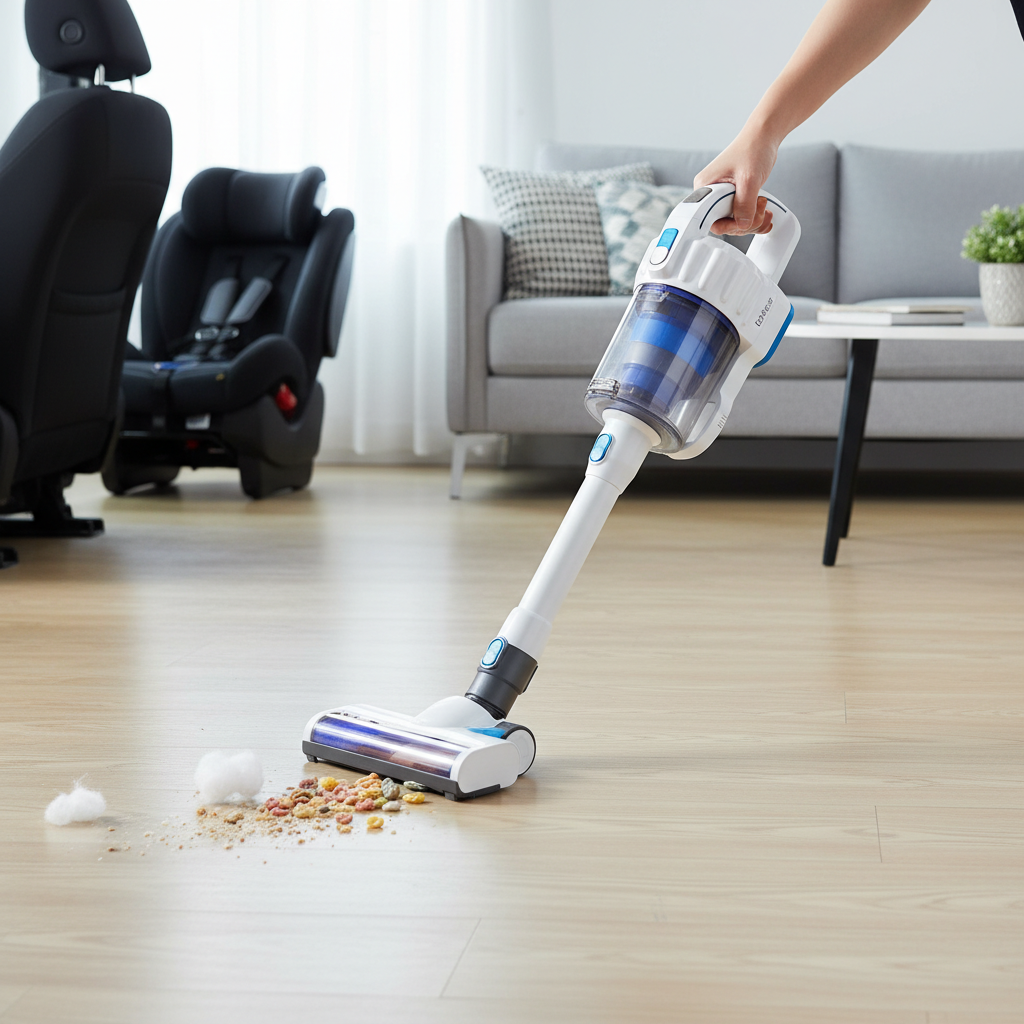
The humble vacuum cleaner is an indispensable tool in maintaining a clean home, yet its dust cup, the very heart of dirt collection, often goes overlooked beyond a quick empty. While simply discarding accumulated debris is a good start, true home hygiene demands a deeper dive: safely disinfecting your vacuum’s dust cup. Neglecting this crucial step can turn your cleaning hero into a hidden source of unpleasant odors, circulating allergens, and even bacteria, impacting both your home’s air quality and your vacuum’s performance. This comprehensive guide will walk you through the essential steps, recommended products, and vital safety precautions to ensure your vacuum cleaner remains a spotless ally in your quest for a healthier living space.
Understanding the Need for Disinfection
|
Our Picks for the Best Handheld vacuum cleaner in 2026
As an Amazon Associate I earn from qualifying purchases.
|
||
| Num | Product | Action |
|---|---|---|
| 1 | Bissell Pet Hair Eraser Cordless Hand Vacuum, Lithium Ion, Home, Auto, and Pet Vacuum, Easy-Empty Dirt Bin, Upholstery Tool, Brush Tool, and Crevice Tool Included, 2390A |

|
| 2 | Handheld Vacuum Cordless, Car Vacuums Powerful with Rechargeable Battery, Portable Hand Held Vacuum Cordless with Washable HEPA Filter, Mini Vacuums Kit for Men and Women |
|
| 3 | KMM Handheld Car Vacuum Cleaner, 9000Pa Vacuum Cleaner and Air Duster, 120W High Power Hand Held Vacuum with LED Light and Multi-Nozzles for Car, Home, Office, Pet |
|
| 4 | MONOZEL Car Vacuum Portable Cordless, 18000Pa 2 in 1 Vacuum Cleaner&Air Duster, 130W Brushless Motor Handheld Vacuum Cordless with 7800mAh Battery, LED Light, Multi-Nozzles for Car, Home, Office, Pet |
|
| 5 | BLACK+DECKER dustbuster Cordless Handheld Vacuum, Portable Car Vacuum Cordless Rechargeable, Wall Mount, Strong Suction QuickClean (HNVC215B10) |
|
| 6 | Handheld Vacuum Cleaner, 28000Pa Brushless Motor Cordless Car Vacuum Cleaner, 3-Speed Mini Hoovers with Multiple Brush Heads Hand Held Vacuum Cordless for Office, Home, Kitchen, Car, Pet Hair |
|
| 7 | Gxzsk Handheld Vacuum Cordless, 15000PA Strong Suction Hand Held Car Vacuum Cleaner Rechargeable, Portable Hand Vacuum with Multi-Nozzles & Washable Filter for Home Office, Car, Pets |
|
| 8 | BLACK+DECKER dustbuster Cordless Handheld Vacuum, Portable Vacuum for Car and Home Rechargeable, Powerful Suction, Wide Mouth (HHVI315JO42) |
|
| 9 | BLACK+DECKER dustbuster AdvancedClean Handheld Vacuum Cordless, Compact Home and Car Vacuum with Crevice Tool, Rotating Nozzle and Charging Station, Large Dust Bowl (CHV1410L) |
|
| 10 | CKIKH Handheld Vacuum Cordless, 15000PA Strong Suction Hand Held Car Vacuum Cleaner Portable with Multi-Nozzles & Washable Filter, Lightweight Rechargeable Vacuum Cleaner for Home, Car, Office, Pets |
|
Beyond the visible dirt, your vacuum dust cup harbors a microscopic world. Dust, pet dander, food crumbs, and other debris create an ideal breeding ground for bacteria, mold, and allergens. Every time you vacuum, these particles are agitated, and without a properly cleaned dust cup, some can be recirculated back into your home’s air. This not only compromises indoor air quality but can also exacerbate allergies and asthma. A foul odor emanating from your vacuum is a clear indicator that it’s time for a deep clean and disinfection, signifying the presence of these unwelcome guests. Regular disinfection is key to eliminating these pathogens and preventing persistent smells, ensuring that your vacuum truly contributes to a healthier environment. [cite: 2 (how to disinfect vacuum dust cup safely)]
Preparations Before You Begin
Before embarking on the disinfection process, prioritizing safety and gathering the right tools is paramount.
Safety First:
- Unplug and Cool Down: Always, without exception, turn off and unplug your vacuum cleaner from the power source before any cleaning or maintenance. [cite: 2 (vacuum cleaner safety tips), 1 (safe operating procedure vacuum cleaner)] Allow the unit to cool completely if it has been recently used, as internal components can retain heat. [cite: 2 (vacuum cleaner safety tips)]
- Consult Your Manual: Your vacuum’s manufacturer’s manual is your ultimate guide. It provides specific instructions for disassembling, cleaning, and reassembling components, and may highlight parts that are not water-safe or require special care. Following these guidelines ensures you don’t void your warranty or damage your appliance. [cite: 2 (how to disinfect vacuum dust cup safely)]
- Protective Gear: To protect yourself from dust, allergens, and cleaning agents, wear disposable gloves and a dust mask. A mask is especially important to prevent inhaling fine dust particles and potential allergens released during the emptying process. [cite: 1 (safe operating procedure vacuum cleaner), 4 (8 safety tips for using a vacuum cleaner)]
Gathering Your Supplies:
- Mild Dish Soap: A gentle, grease-cutting dish soap is excellent for breaking down grime.
- Warm Water: Essential for washing and rinsing.
- Soft Brush or Sponge: For scrubbing away stubborn residue without scratching the plastic. An old toothbrush can be useful for tight crevices.
- Disinfectant (Optional, but Recommended): While soap and water clean, a dedicated disinfectant takes hygiene a step further. Options include diluted bleach (use with caution and proper ventilation), a hydrogen peroxide solution, or commercial multi-surface disinfectants like Lysol, OdoBan, or Vital Oxide. [cite: 4 (vacuums and disinfectants : r/housekeeping), 2 (best disinfectants for vacuum dust bin), 3 (best disinfectants for vacuum dust bin)]
- Clean Towels or Microfiber Cloths: For drying.
- Access to a well-ventilated area or outdoors: For emptying and drying to minimize dust and chemical fumes indoors.
Step-by-Step Guide to Disinfecting Your Dust Cup
Once prepared, follow these steps to thoroughly clean and disinfect your vacuum’s dust cup:
-
Empty the Dust Cup Thoroughly:
Take your vacuum to an outdoor trash can to minimize dust and allergens in your home. Open the dust cup and empty all its contents. Tap the sides to dislodge any clinging dust or debris. For cyclonic systems, gently remove any trapped hair or larger particles from the central cone. It’s recommended to empty the dust cup after each use, or when it reaches about 75% capacity, to maintain optimal suction and prevent odors. [cite: 5 (8 safety tips for using a vacuum cleaner)] -
Disassemble Removable Components:
Carefully detach the dust cup from the main vacuum unit. Many models allow you to further separate the dust cup into smaller, washable parts, such as the outer bin, internal cyclonic components, and washable pre-filters. Refer to your manual for specific disassembly instructions. This ensures you can clean every nook and cranny. -
Initial Wash with Soap and Warm Water:
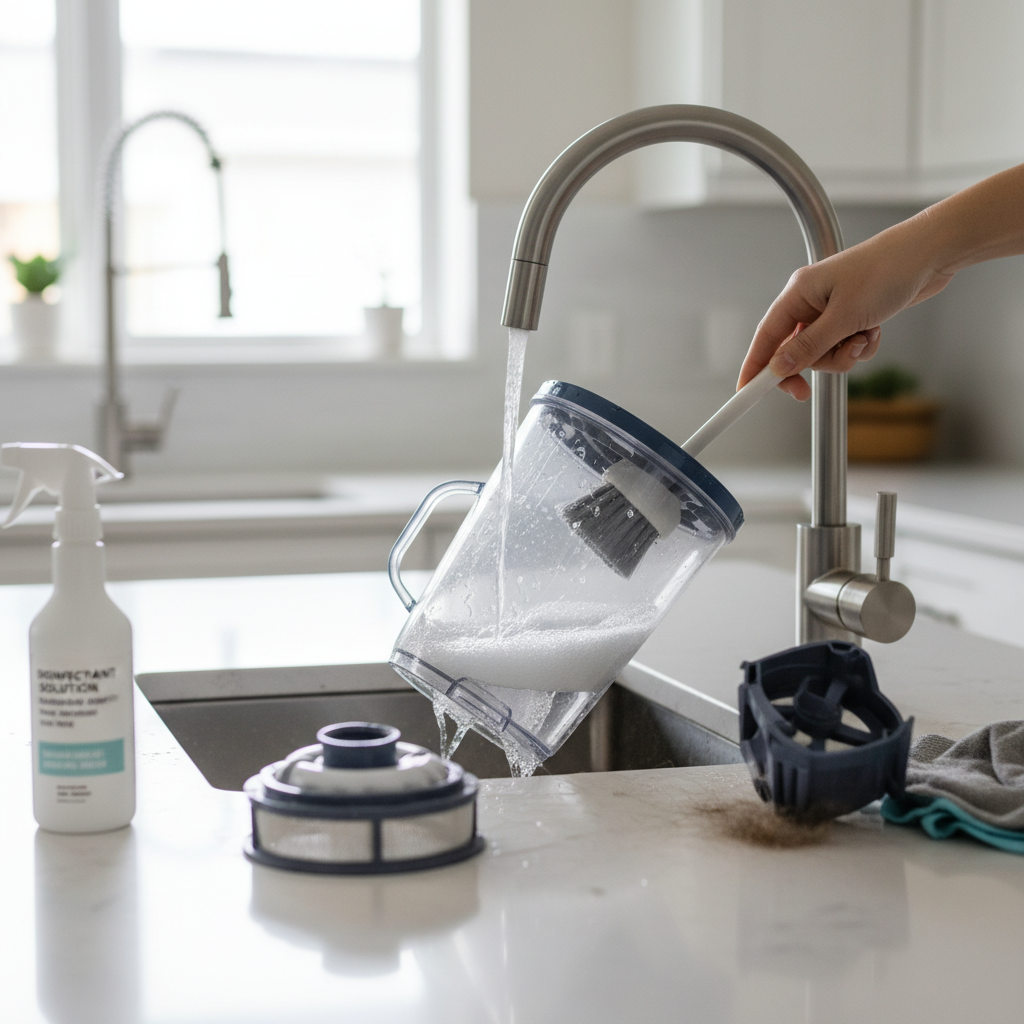
Fill a basin or sink with warm water and add a few drops of mild dish soap. Submerge the detached dust cup components and washable filters (if applicable and specified by the manufacturer as washable). Using a soft brush or sponge, gently scrub all surfaces, paying close attention to crevices, corners, and any areas where dirt and grime tend to accumulate. This step removes the bulk of the dirt, dust, and oily residues. [cite: 2 (how to disinfect vacuum dust cup safely)] -
Applying a Disinfectant Solution (If Desired):
After the initial wash, if you choose to disinfect, prepare your chosen solution.- Diluted Bleach: A solution of 1 part bleach to 10 parts water can be effective, but use with extreme caution. Bleach can be corrosive and potentially degrade plastics over time. Ensure excellent ventilation and avoid contact with skin and eyes.
- Hydrogen Peroxide: A 3% hydrogen peroxide solution can be sprayed onto surfaces.
- Commercial Disinfectant: Use according to product instructions. Many multi-surface cleaners offer disinfecting properties.
Apply the disinfectant to all surfaces of the dust cup. For effective sanitization, the surface must remain wet for a specific “dwell time” as indicated on the disinfectant product’s label (often 3-5 minutes). [cite: 4 (vacuums and disinfectants : r/housekeeping)]
-
Rinsing Thoroughly:
Regardless of whether you used a disinfectant, rinse all components thoroughly under running water. Ensure all soap suds and cleaning solution residues are completely removed. Any leftover residue can attract more dust or leave streaks once dry. [cite: 2 (how to disinfect vacuum dust cup safely)] -
Crucial: Complete Drying:
This is perhaps the most critical step. Moisture left inside the dust cup can lead to mold and mildew growth, defeating the purpose of disinfection and potentially damaging your vacuum’s motor if reassembled wet. Shake off excess water and then air dry all parts completely. Place them in a well-ventilated area, preferably outdoors in indirect sunlight, for several hours or even overnight. Ensure every component, especially intricate cyclonic parts and washable filters, is bone dry before reassembly. [cite: 2 (how to disinfect vacuum dust cup safely), 4 (can I wash the dust cup of the Shark NV360 (Navigator Lift-Away Deluxe)? – Reddit)]
Safe Disinfectants and What to Avoid
Choosing the right cleaning agents is vital for both effectiveness and safety.
Recommended Cleaning and Disinfecting Agents:
- Mild Dish Soap and Warm Water: The go-to for basic cleaning, effectively removing dirt and grease.
- EPA-Registered Disinfectants: For deeper sanitization, opt for multi-surface cleaners that are EPA-registered to kill bacteria and viruses. Brands like Lysol, OdoBan, and Vital Oxide offer effective solutions. Always read the label for specific instructions, dilution ratios, and dwell times.
- Hydrogen Peroxide: A natural choice for its germ-killing properties, generally safer than bleach. A 3% solution is common.
- Baking Soda Paste: For stubborn stains or odors, a paste of baking soda and water can act as a gentle abrasive and deodorizer.
What to Avoid:
- Harsh or Abrasive Cleaners: These can scratch or damage the plastic of your dust cup, making it more prone to future dirt adhesion and potentially weakening the material. [cite: 3 (how to disinfect vacuum dust cup safely)]
- Pure Solvents (e.g., Trichloroethylene, Carbon Tetrachloride, Hydrocarbons, Pure Glycerine/Ethanol): These can seriously damage plastic and rubber components, leading to brittleness or degradation. [cite: 1, 3 (how to disinfect vacuum dust cup safely)]
- Vinegar-Based Cleaning Products: While excellent for many household tasks, some sources advise against using vinegar on certain vacuum components, especially rubber seals or metal parts, as its acidic nature can cause damage over time. [cite: 3 (how to disinfect vacuum dust cup safely)]
- Mixing Chemicals: Never mix different cleaning chemicals, especially bleach with ammonia-based cleaners, as this can create toxic fumes. Always use one product at a time and rinse thoroughly between different cleaning agents. [cite: 4 (vacuums and disinfectants : r/housekeeping)]
“A vacuum cleaner’s effectiveness extends beyond its suction power; maintaining a hygienic dust cup is crucial for preventing the spread of indoor allergens and ensuring the longevity of the appliance. Think of it as preventative medicine for your home’s air quality.” – Dr. Emily R. Carter, Environmental Health Specialist
Maintaining a Hygienic Vacuum
Disinfecting your dust cup is a significant step, but it’s part of a larger maintenance routine that will keep your vacuum performing optimally and your home healthier.
- Regular Emptying: Make it a habit to empty the dust cup after every use or when it reaches about three-quarters full. This prevents loss of suction and reduces the accumulation of odor-causing debris. [cite: 5 (8 safety tips for using a vacuum cleaner)]
- Frequency of Deep Cleaning: The frequency of disinfection depends on usage. For homes with pets, children, or allergy sufferers, a monthly deep clean and disinfection is advisable. For lighter use, every 2-3 months might suffice.
- Cleaning Other Parts:
- Filters: Check and clean or replace filters regularly according to your manufacturer’s recommendations. Washable filters should be cleaned with water and thoroughly dried. Non-washable filters may need to be tapped clean or replaced.
- Hoses and Attachments: These can also harbor dirt and odors. Wash removable attachments with soap and water and let them air dry completely. Check hoses for blockages and clear them as needed.
- Brush Roll: Remove tangled hair and debris from the brush roll to maintain its effectiveness.
- Proper Storage: Store your clean and dry vacuum cleaner in a cool, dry place. Avoid storing it in damp areas, which could encourage mold growth even after cleaning.
Conclusion
A clean and disinfected vacuum dust cup is more than just aesthetically pleasing; it’s a vital component of a hygienic home. By regularly emptying, washing, and safely disinfecting this crucial part, you prevent the recirculation of allergens, bacteria, and unpleasant odors, ensuring your vacuum operates at peak performance and truly contributes to a healthier living environment. Adhering to proper safety protocols and using appropriate cleaning agents will protect both you and your appliance. So, take the time to give your vacuum the care it deserves, and breathe easier knowing you’re maintaining a truly clean home. How often do you deep clean your vacuum’s dust cup?
Frequently Asked Questions
How often should I disinfect my vacuum dust cup?
The frequency depends on usage and household factors. For homes with pets, children, or allergy sufferers, disinfecting the dust cup monthly is recommended. For lighter use, a deep clean every 2-3 months is generally sufficient to maintain hygiene and prevent odor buildup.
Can I put my vacuum dust cup in the dishwasher?
It is generally not recommended to put your vacuum dust cup in the dishwasher. Dishwashers can use high heat and harsh detergents that may warp plastic components, degrade seals, or damage intricate parts not designed for such conditions. Always refer to your vacuum cleaner’s manual for specific cleaning instructions.
What causes a bad smell in my vacuum dust cup?
A bad smell in your vacuum dust cup is typically caused by the accumulation of moisture, food debris, pet dander, mold, and bacteria. When these organic materials sit in a dark, enclosed space, they can decompose and release unpleasant odors. Regular emptying and thorough disinfection are essential to eliminate these smells.
Is bleach safe to use for disinfecting my vacuum dust cup?
While diluted bleach can disinfect, it should be used with extreme caution and only if your manufacturer’s manual does not explicitly forbid it. Bleach can be corrosive and may degrade certain plastics or rubber seals over time. If used, ensure it’s heavily diluted (e.g., 1 part bleach to 10 parts water), use in a well-ventilated area, and rinse thoroughly. Many opt for safer alternatives like hydrogen peroxide or EPA-registered multi-surface disinfectants.
What should I do if my vacuum dust cup still smells after cleaning?
If your vacuum dust cup still smells after a thorough cleaning and disinfection, ensure it was completely dry before reassembly, as residual moisture can cause mold. You can try a baking soda soak (fill with warm water, add baking soda, let sit for a few hours, then rinse and dry completely). Also, check and clean or replace your vacuum’s filters, as they often harbor odors and bacteria.